切换至版画销售渠道
 展开全文
展开全文







































 对于任何边长超过 105 厘米(约 41 英寸)的艺术品或复制品,画框将以拆解后的组件形式发货。此方法可确保安全送达并防止运输过程中的损坏。


A Celestial Encounter in Venetian Splendor
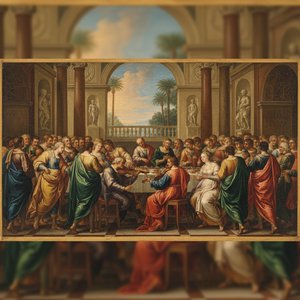
In the grand tapestry of the Italian Renaissance, few moments capture the intersection of the divine and the earthly as breathtakingly as Paolo Veronese’s Annunciation. Completed in 1558, this monumental masterpiece serves as a window into the golden age of Venice, a period where art was not merely decoration but a profound expression of spiritual devotion and aristocratic prestige. The scene unfolds with a dramatic, theatrical grace, depicting the pivotal moment when the Angel Gabriel descends to deliver the message of salvation to the Virgin Mary. Veronese does not simply paint a religious event; he orchestrates a symphony of light and movement that draws the viewer into a sacred dialogue, making the celestial encounter feel both intimately human and cosmically significant.
The composition is a masterclass in balance and narrative depth. As the angel occupies the left flank of the canvas, Mary stands at the heart of the drama, her posture reflecting a delicate blend of humility and awe. Veronese surrounds this central duo with a carefully curated cast of figures—an older man and woman, a watchful child, and observers peering from the periphery—each contributing to the layered emotional landscape of the piece. The setting, characterized by the soaring arches of a grand cathedral or palace, provides a sense of architectural permanence that contrasts beautifully with the ephemeral, spiritual energy of the angelic visitation. For the discerning collector, this painting offers more than just a subject; it offers a profound sense of presence that anchors any space with historical weight and grace.
The Mastery of Color and Venetian Light
To behold Veronese’s work is to witness the pinnacle of colorito, the Venetian tradition of prioritizing color and brushwork to define form. The artist employs a sophisticated use of atmospheric perspective, layering pigments in graduated shades to create an illusionistic depth that seems to pull the viewer into the very architecture of the scene. His palette is nothing short of opulent, utilizing rich, saturated tones that reflect the wealth and vibrancy of 16th-century Venice. Through the meticulous application of light, Veronese achieves a trompe-l'œil effect, where the textures of heavy fabrics, the cold stone of the arches, and the soft glow of divine radiance feel tangibly real.
This technical brilliance is deeply intertwined with the Mannerist influences of his era. While maintaining the classical dignity required for a religious commission, Veronese introduces subtle stylizations—elongated limbs and dramatic contrasts of light and shadow—that imbue the figures with a rhythmic, almost musical quality. This interplay of light and shadow, or chiaroscuro, does more than define shape; it directs the eye through the complex narrative, ensuring that the viewer’s gaze lingers on the emotional nuances of Mary’s expression and the ethereal lightness of Gabriel’s presence. For interior designers seeking to create a focal point of unparalleled elegance, the luminous quality of this work provides an enduring source of inspiration and sophistication.
A Legacy of Devotion and Grandeur
Beyond its technical merits, the Annunciation is a profound historical document. It reflects the ambitions of the Venetian elite, such as the Gonzaga family, who commissioned such works to bridge the gap between their earthly power and their spiritual aspirations. The painting embodies the humanist ideals of the time, celebrating human dignity within a divine framework. Every fold of drapery and every architectural detail serves to reinforce a sense of order, beauty, and eternal truth.
Owning a high-quality reproduction of this masterpiece allows one to invite this historical grandeur into a contemporary setting. Whether placed in a formal gallery, a stately library, or a curated living space, Veronese’s vision continues to resonate. It remains an evocative piece that speaks to the timeless human desire for connection with the sublime, offering a sense of peace, majesty, and intellectual depth that transcends the centuries.
常见问题与解答
“Annunciation”的作者是谁,创作于何时?
保罗·委罗内塞 于 1558 年创作了《Annunciation》。
"Annunciation" 是否支持增强现实 (AR) 预览?
通过作品的 AR 效果预览 页面,您可以在兼容设备上使用增强现实技术,在自己的墙面上预览 保罗·委罗内塞 的《Annunciation》。
圣若望与圣保罗大殿馆藏作品“Annunciation”的复制权归属如何?
保罗·委罗内塞 的《Annunciation》 的版权状态非常明确:该作品属于 属于公有领域 —— 其版权已过期。其在 圣若望与圣保罗大殿 的馆藏身份并不改变这一状态。
 实景预览
实景预览
 分享
分享 分享
分享
 详情
详情 指南
指南

 下载作品
下载作品
 相似作品
相似作品 X射线
X射线 幻灯片播放
幻灯片播放 Q&A
Q&A 统计数据
统计数据