

 实景预览
实景预览
 发送
发送 分享
分享
 详情
详情 指南
指南

 下载图片
下载图片
 相似作品
相似作品 X射线
X射线 幻灯片播放
幻灯片播放 统计数据
统计数据Hope


 阅读全文
阅读全文
手工油画复制品
由我们的艺术家按需定制,为您提供您所选尺寸及画框的布面手工油画。 ( 切换至版画销售渠道 切换至数字图像销售渠道)




P118B ¥10

P118H ¥10

P118W ¥10

P438Z ¥10

P508JH ¥12

P508YH ¥12

P805H ¥10

P805Z ¥10

P919BZ ¥10

P919G ¥10

P919XJ ¥10

P959ZH ¥10

P968JZ ¥12

W106C ¥8

W218G ¥10

W218JH ¥8

W218Y ¥10

W307PJ ¥10

W316G ¥10

W316PJ ¥8

W316Y ¥10

W398PJ ¥8

W4111J ¥10

W500HY ¥15

W500JH ¥15

W692G ¥12

W849H ¥8

W940BG ¥15

W953PJ ¥8




您可以从与原作比例一致的预设尺寸中进行选择。

请输入您需要的宽度和高度,以适配您的画框或墙面。由于作品为手工绘制,若您选择不同的尺寸比例,艺术家可能会在画面边缘多画一些或稍作裁剪 —— 由您决定。在开始绘画之前,我们会为您发送一份数字效果图供您确认。本页面上展示的图片并非最终实物 —— 只有效果图才能反映真实结果。
下单后,OriginalUniqueArt.com 团队将通过电子邮件联系客户获取具体要求,并提供效果预览图


 玻璃选项仅适用于110厘米以下的尺寸。

Hope
复制品材质
复刻品尺寸说明
-


总计金额
¥ 2014
Paolo Uccello’s ‘Hope’: A Renaissance Vision of Faith and Ascent
Paolo Uccello's “Hope,” painted around 1435, is not merely a depiction of a woman reaching towards the heavens; it’s a profound exploration of faith, perspective, and the burgeoning humanist ideals of the Early Renaissance. This captivating work, housed within the Duomo di Firenze (Florence Cathedral), offers a glimpse into Uccello's unique artistic vision – one characterized by an obsessive pursuit of mathematical precision blended with a vibrant, almost theatrical use of color and movement.
Uccello’s background as a barber-surgeon, coupled with his family’s noble lineage, instilled in him both a practical eye for detail and an appreciation for refined aesthetics. He wasn't simply a painter; he was a meticulous investigator, fascinated by the mechanics of sight and how to translate three-dimensional space onto a two-dimensional surface. This intellectual curiosity is strikingly evident in “Hope,” where he masterfully employs linear perspective – a technique still relatively new at this time – to create an illusion of depth that draws the viewer into the scene.
The Figure and Her Gesture
At the heart of the painting stands a woman, her posture radiating both serenity and fervent aspiration. She’s draped in a simple yet elegant green gown, its color echoing the lush foliage surrounding her – a subtle nod to nature's enduring symbolism of hope and renewal. Her hands are raised towards the sky, not in supplication, but with an expression of confident expectation. The gesture is crucial; it isn’t passive waiting, but active reaching, suggesting a belief in a future filled with promise.
The figure's face remains partially obscured, adding to her enigmatic quality and allowing viewers to project their own hopes and desires onto the image. She appears to be gazing at an unseen celestial event – perhaps a radiant angel or a divine manifestation – further emphasizing the painting’s spiritual core. The composition is carefully balanced; the woman occupies the central space, while the surrounding figures—a man on the left and two others on the right—create a dynamic backdrop that reinforces her upward trajectory.
Technique and Color
Uccello's mastery of color is immediately apparent. He utilizes a rich palette – yellows, blues, reds, and whites – to create a luminous effect, particularly in the depiction of the sky. The use of layered glazing techniques gives the colors depth and vibrancy, while strategically placed highlights draw attention to key elements within the composition. Notice how he employs atmospheric perspective, with distant objects appearing paler and less distinct, further enhancing the illusion of space.
The painting’s surface is characterized by a smooth, polished finish, indicative of Uccello's meticulous preparation and application of paint. His attention to detail extends beyond color; he carefully renders the folds of the woman’s gown, the textures of the surrounding foliage, and even the subtle expressions on the faces of the supporting figures. This dedication to realism, combined with his innovative use of perspective, distinguishes “Hope” as a landmark achievement in Renaissance art.
Symbolism and Context
"Hope" was likely commissioned for the Chapel of Our Lady of the Assumption within Florence’s Duomo. The chapel's design reflects the broader artistic trends of the period, incorporating elements of Gothic and Early Renaissance styles. The painting’s theme—hope—resonates deeply with the religious context of the commission, aligning with the church’s desire to inspire faith and devotion among its congregation.
Beyond its immediate religious significance, “Hope” embodies the humanist ideals that were gaining momentum during the Early Renaissance. The focus on human experience, particularly the aspiration for a better future, reflects a shift away from purely theological concerns towards a more worldly perspective. Uccello’s innovative use of perspective and his masterful rendering of space demonstrate a desire to understand and represent the world in a more accurate and compelling way – a hallmark of Renaissance art.
Bringing ‘Hope’ Home: A High-Quality Reproduction
OriginalUniqueArt offers meticulously crafted, hand-painted reproductions of Paolo Uccello's “Hope,” allowing you to bring this iconic masterpiece into your home or office. Our skilled artists replicate Uccello’s distinctive style and techniques with the utmost care, ensuring that each reproduction captures the painting’s original beauty and emotional impact. Choose from a range of sizes and canvas materials to perfectly complement your décor. Experience the timeless allure of “Hope” – a testament to Renaissance artistry and enduring human aspiration.
艺术家简介
佛罗伦萨的先驱:保罗·乌切洛的一生与艺术
保罗·乌切洛(Paolo Uccello),原名保罗·迪·多诺(Paolo di Dono),1397 年诞生于佛罗伦萨附近的普拉托韦基奥,是早期文艺复兴时期一位极富魅力的艺术家。他的绰号“乌切洛”(Uccello),意为“小鸟”,暗示着他天性活泼、对飞禽世界充满兴趣,但同时也掩盖了他深思熟虑的头脑,以及他对时代的知识浪潮的积极参与。他不仅仅是一位画家,更是一位先锋,一位画布上的数学家,致力于揭示视觉空间的奥秘,并将它们转化为令人叹为观止的艺术作品。他的父亲多诺·迪·保罗从事着外科医生的职业,而母亲安东尼亚则来自佛罗伦萨贵族家庭——这种出身或许赋予了年轻的保罗既务实又对审美情趣有深刻欣赏的双重特质。从 1412 年到 1416 年,乌切洛在洛伦佐·吉贝尔蒂的工作室里度过了他重要的学徒生涯,这个工作室是艺术创新的中心,致力于为佛罗伦萨洗礼堂创作宏伟的青铜大门。这段早期的经历使他对盛行于当时的新哥特式风格有了深刻的理解,这种风格强调装饰性的优雅和叙事的清晰性,同时也点燃了他突破既定界限的渴望。透视的追寻:一位数学家的艺术探索
乌切洛的艺术发展并非仅仅在于掌握技巧,而是源于他对支配感知的底层原理的不懈好奇。他沉迷于数学,尤其是几何学和透视学,并非将它们视为抽象学科,而是将其视为解锁现实更真实表征的工具。虽然菲利波·布鲁内莱斯基通常被认为是发现了线性透视,但乌切洛是第一个系统地将其应用于绘画的人之一,他一丝不苟地计算消失点和正交线,以创造出一种在艺术中此前几乎不存在的深度幻觉。这不仅仅是关于技术上的准确性;对于乌切洛来说,透视成为了一种构建叙事、增强戏剧效果以及赋予其构图秩序感和智力严谨性的手段。他对此的痴迷近乎狂热,正如乔尔乔·瓦萨里所记载的那样,乌切洛常常彻夜不眠,沉浸在对消失点和空间关系的思考中。这种奉献精神,虽然有时被视为古怪,但最终彻底改变了绘画艺术,并为后世的艺术家铺平了道路。幻觉杰作:关键作品与风格特征
乌切洛的作品规模相对较小,但却以一种独特的风格而著称,将新哥特式的优雅与文艺复兴时期的创新融为一体。《森罗马诺战役》(Battle of San Romano)系列是他的代表作之一,该系列由三幅画组成,旨在纪念佛罗伦萨取得的胜利。这些画作不仅仅是对战争的描绘;它们是充满漩涡状人物、碎片化的盔甲和戏剧性地缩短的长矛的动态构图——所有这些都以鲜艳的色彩呈现,并根据一丝不苟计算出的透视排列。 《圣母玛利亚诞生》(Birth of the Virgin)展示了乌切洛对线性透视的高超技艺,在浅显的空间中创造出令人信服的深度幻觉,而《圣乔治与龙》(St George and the Dragon)则呈现了传奇圣徒的引人注目的描绘,其特点是大胆的色彩和程式化的形式。 即使像《洪水与方舟》(The Flood and Ark)这样的作品,作为圣米尼亚托阿尔蒙特教堂壁画的一部分,乌切洛对建筑细节和复杂构图的痴迷也显而易见。他的风格始终展现出:- 鲜艳的调色板 和大胆的色彩运用。
- 对线性透视的强调,通常为了产生戏剧效果而推向极限。
- 程式化的形象和装饰图案,带有新哥特式艺术的痕迹。
- 对几何形式和空间关系的深刻痴迷。
遗产与影响:对艺术史的持久影响
保罗·乌切洛对文艺复兴的贡献远不止于他的个人画作。他对透视的先驱性探索从根本上改变了艺术史的进程,影响了无数追随者。德国著名版画家和画家阿尔布雷希特·丢勒深受乌切洛作品的影响,致力于研究透视学,并将其实际原则融入到自己的艺术实践中。虽然乌切洛的风格在整个职业生涯中都保持着一种独特的个性——新哥特式精致与文艺复兴创新相结合的独特融合——但他对空间和形式的开创性方法巩固了他作为西方艺术发展中的关键人物的地位。他在 1475 年于佛罗伦萨去世,留下了不仅有美丽的画作,还有求知欲和艺术胆识的遗产。他的作品至今仍令人叹为观止,提醒我们真正的艺术不仅仅在于所见,更在于我们如何看待它。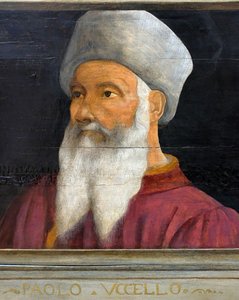
乌切洛
1397 - 1475 , 意大利
快速概览
- 全名: 保罗·乌切洛
- 出生地点: 普拉托韦基奥, 意大利
- 出生日期: 1397年
- 去世日期: 1475年
- 受其影响的艺术家: ['阿尔布雷希特·丢勒']
- 国籍: 意大利人
- 影响艺术家:
- 洛伦佐·吉贝尔蒂
- 多纳泰罗
- 艺术流派或风格: 早期文艺复兴
- 著名作品:
- 圣罗曼诺战役画
- 处女诞生
- 圣乔治与龙
- 洪水和方舟
相关文章

OriginalUniqueArt.com F.A.Q.: Elevating Interiors with Bespoke Wall Murals & Masterpiece Frescoes
Discover the pinnacle of bespoke interior transformation with OriginalUniqueArt.com. Our master fresco artists create exquisite, hand-painted wall murals and ceiling masterpieces tailored to your estate. Elevate your architectural space with timeless, museum-quality artistry.


