订购纯手工绘制画作
 展开全文







































 对于任何边长超过 105 厘米(约 41 英寸)的艺术品或复制品,画框将以拆解后的组件形式发货。此方法可确保安全送达并防止运输过程中的损坏。


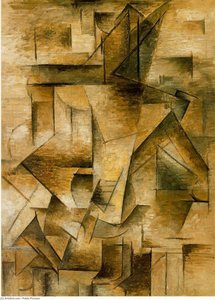
A Portrait Steeped in Emotion: Examining Picasso’s “Head of a Woman” (1903)
Pablo Picasso's "Head of a Woman," painted in 1903, transcends mere representation; it embodies the nascent spirit of Cubism and speaks volumes about the artist’s evolving exploration of form and emotion. This striking portrait resides within the Metropolitan Museum of Art’s collection, offering viewers an unparalleled opportunity to contemplate Picasso's groundbreaking approach to depicting human subjects. The photograph itself captures a masterful execution of oil on canvas, revealing intricate details that illuminate Picasso’s artistic vision.- Subject Matter & Composition: The artwork centers around the head of a woman—a figure increasingly prominent in Picasso’s oeuvre during this pivotal period. Her gaze directs towards the viewer, establishing an immediate connection and inviting introspection. Simultaneously, her posture conveys vulnerability and contemplation, hinting at deeper psychological complexities.
- Style & Technique: “Head of a Woman” firmly establishes Picasso's embrace of Cubism’s revolutionary principles. Unlike traditional portraiture which strives for idealized beauty, Picasso dismantles conventional perspective, fracturing the form into geometric planes that overlap and intersect. This technique—characteristic of his early explorations—challenges viewers to perceive reality anew.
- Color Palette & Texture: Dominated by a deep indigo hue, the background serves as a counterpoint to the woman’s flesh tones. Picasso skillfully employs subtle gradations of color to create depth and atmosphere, enhancing the emotional resonance of the piece. The textured surface of the canvas contributes to the overall impression of materiality and immediacy.
Historical Context: Picasso's Artistic Breakthrough
Painted in 1903, “Head of a Woman” marks a crucial juncture in Picasso’s artistic trajectory. Following his formative years studying under José Ruiz y Blasco and experimenting with naturalistic styles—as evidenced by "The Tragedy"—Picasso sought to liberate art from representational constraints. Influenced by Cézanne's explorations of form and the burgeoning avant-garde movement, he began to dismantle traditional conventions, paving the way for Cubism’s radical reformulation of visual perception.- Symbolism & Emotion: The woman’s melancholic gaze—coupled with her downward tilt—suggests a profound inner turmoil. Picasso deliberately eschews sentimental depiction, prioritizing psychological insight over aesthetic beauty. This deliberate choice reflects the artist's preoccupation with themes of suffering and loss, foreshadowing his later masterpieces.
- Influence & Legacy: “Head of a Woman” stands as a cornerstone of Cubism’s development—a movement that irrevocably altered the course of modern art. Picasso’s pioneering technique continues to inspire artists today, demonstrating the enduring power of artistic innovation and its capacity to provoke contemplation.
Bringing Picasso's Vision Home: Premium Reproductions Available
A high-quality reproduction of “Head of a Woman” can transform any interior space into an evocative reflection of Picasso’s artistic genius. OriginalUniqueArt offers meticulously crafted reproductions that faithfully capture the artwork’s nuanced colors and textural subtleties, allowing collectors and enthusiasts alike to experience the emotional depth of this iconic masterpiece firsthand. Explore our curated selection today!常见问题与解答
《Untitled (D2WVXT)》的创作者 巴勃羅·畢卡索 是否还有其他艺名?
巴勃羅·畢卡索 也以 保羅·畢卡索, 巴伯罗·毕加索, 巴勃罗·毕加索, 畢加索, 毕加索 等其他名称为人所知。
巴勃羅·畢卡索 的《Untitled (D2WVXT)》 的色彩是鲜艳夺目还是柔和低调?
巴勃羅·畢卡索 的《Untitled (D2WVXT)》 的色彩呈现出 Subtle Color 的饱和度。饱和度描述了色彩的鲜艳或柔和程度。
巴勃羅·畢卡索 的《Untitled (D2WVXT)》 的视觉明亮度如何?
总体而言,"Untitled (D2WVXT)" 的亮度记录为 balanced。感知亮度描述了作品呈现出的明暗程度。
 实景预览

 分享
 分享
 详情
 指南


 下载作品
 相似作品
 X射线
 幻灯片播放
 问答
 统计数据