切换至版画销售渠道
 展开全文
展开全文







































 对于任何边长超过 105 厘米(约 41 英寸)的艺术品或复制品,画框将以拆解后的组件形式发货。此方法可确保安全送达并防止运输过程中的损坏。


The Altar Boy: A Glimpse into Picasso’s Early Realism
Pablo Picasso's "The Altar Boy," painted in 1896, stands as a pivotal work within the artist’s formative years, offering a remarkable window into his evolving style and a poignant reflection of late 19th-century artistic trends. This unassuming yet profoundly evocative painting—measuring 75 x 50 cm and currently residing at Santa Maria de Montserrat Abbey in Spain—captures a young boy, an altar boy, standing beside a simple table adorned with flowers and vases. More than just a portrait, it’s a carefully constructed tableau that speaks volumes about the era's artistic sensibilities and foreshadows the revolutionary shifts Picasso would later introduce into the art world.
Initially created during Picasso’s Realism period, “The Altar Boy” demonstrates his remarkable skill in meticulously rendering realistic details. The boy’s attire—a pristine white surplice with delicate lace trim—is rendered with a precision that belies his young age. His stance is one of quiet solemnity, accentuated by the presence of a staff or cane held firmly in his hand, suggesting responsibility and perhaps even a touch of melancholy. The arrangement of the vases and potted plants around the table isn’t merely decorative; it establishes a sense of depth and balance within the composition, creating a formal setting that subtly hints at a religious context – likely indicating the boy's role as an altar boy. The muted color palette—primarily whites, reds, and browns—contributes to the painting’s contemplative atmosphere.
Artistic Evolution: From Realism to Cubist Innovation
While firmly rooted in Realism, “The Altar Boy” is not simply a static reproduction of reality. It's a crucial stepping stone on Picasso’s artistic journey. His early training under his father, José Ruiz y Blasco, instilled in him a deep understanding of naturalistic depiction—a skill he expertly demonstrates through the painting’s meticulous detail and accurate portrayal of textures. However, it also reveals a nascent desire to move beyond mere representation. The careful observation of light and shadow, combined with a subtle awareness of form, hints at the experimentation that would soon lead him to develop his groundbreaking Cubist style. The painting serves as a testament to Picasso’s foundational abilities—a solid base upon which he would later build his revolutionary innovations.
Contextual Significance: A Reflection of Late 19th-Century Art
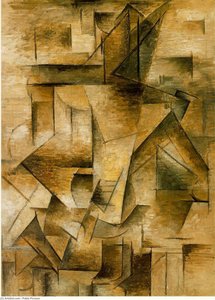
To fully appreciate “The Altar Boy,” it's essential to consider its place within the broader artistic landscape of the late 19th century. This period was marked by a diverse range of styles, from the continued influence of Realism and Impressionism to the emerging avant-garde movements. Picasso’s work reflects his early exposure to these influences, while simultaneously hinting at the innovative approaches he would soon champion. Comparing it with contemporaries like Paul Gauguin, whose “Still Life with Teapot and Fruit” exemplifies Post-Impressionism—with its emphasis on subjective experience and vibrant color—and Paul Cézanne, known for his exploration of form and light in works such as "Self-Portrait"—illuminates Picasso’s position within this dynamic artistic environment. Gauguin's focus on exotic subjects and emotional intensity contrasts with Picasso’s more restrained realism, while Cézanne’s geometric approach to space anticipates the fractured perspectives that would characterize Cubism.
Symbolic Depth: Beyond a Simple Portrait
Beyond its technical merits, “The Altar Boy” is rich in symbolic meaning. The altar boy himself represents innocence, faith, and service—qualities highly valued during the period. The simple setting—the table laden with flowers and vases—suggests a sacred space, reinforcing the religious context of the scene. Even the boy’s posture – upright and attentive – conveys a sense of dignity and responsibility. Picasso masterfully uses these elements to create an image that transcends a mere portrait, offering viewers a glimpse into the values and beliefs of late 19th-century society. The painting's quiet solemnity invites contemplation on themes of youth, faith, and tradition.
常见问题与解答
我可以在全屏幻灯片模式下观看“The altarboy”吗?
您可以在作品的幻灯片展示页面上观看“The altarboy”的幻灯片展示。
毕加索 的《The altarboy》 的色彩特征是什么?
毕加索 的《The altarboy》 采用了 大地色系 色调,并以 灰泥色 (#dbc5a6) 作为主导色。
"The altarboy" 创作于哪个时代?
毕加索 的《The altarboy》 创作于 19世纪 时期,这一时期为作品提供了深厚的历史背景。
 实景预览
实景预览
 分享
分享 分享
分享
 详情
详情 指南
指南

 下载作品
下载作品
 相似作品
相似作品 X射线
X射线 幻灯片播放
幻灯片播放 Q&A
Q&A 统计数据
统计数据