切换至版画销售渠道
 展开全文
展开全文







































 对于任何边长超过 105 厘米(约 41 英寸)的艺术品或复制品,画框将以拆解后的组件形式发货。此方法可确保安全送达并防止运输过程中的损坏。


A Fragmented Portrait of Sensuality: Decoding Picasso’s ‘Seated Nude’
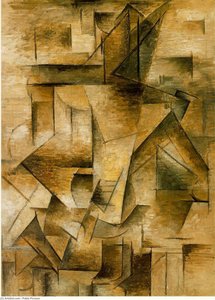
Pablo Picasso's “Seated Nude,” painted in 1908, stands as a pivotal moment in the genesis of Cubism and an enduring testament to the artist’s masterful exploration of form and emotion. More than just a depiction of the human figure—though undeniably captivating—it embodies a radical reimagining of artistic representation that continues to resonate with audiences today. This oil on canvas masterpiece isn't merely observed; it demands engagement, prompting viewers to actively participate in reconstructing the image through their own perceptions.The Genesis of Cubism: Breaking Down Reality
Picasso’s “Seated Nude” firmly establishes him as a pioneer of Cubism, alongside Georges Braque. Rejecting the conventions of traditional perspective and chiaroscuro—the dramatic interplay of light and shadow—Cubism sought to capture multiple viewpoints simultaneously. Picasso achieves this ambitious goal by fracturing the nude figure into geometric planes and angular shapes, mirroring the fragmented reality he wished to convey. Unlike Impressionists who aimed to depict fleeting impressions of light and color, Cubist artists prioritized intellectual analysis over sensory experience, striving for a more profound understanding of the subject matter. The deliberate distortion of anatomical proportions underscores this conceptual shift—the body is presented not as an idealized form but as a complex interplay of intersecting planes.A Study in Color and Texture
The vibrant red and orange hues dominating “Seated Nude” contribute significantly to its emotional impact. These bold colors aren’t merely decorative; they serve as conduits for conveying mood and dynamism. Picasso skillfully utilizes texture—evident in the brushstrokes—to simulate the materiality of the skin, creating a palpable sense of presence. The artist's meticulous attention to detail—particularly in rendering the folds of drapery—further enhances the illusionistic quality of the painting, despite its abstract nature. This textural richness invites contemplation and encourages viewers to consider the surface as much as the underlying form.Context Within Picasso’s Oeuvre: Echoes of ‘Nude and Bather’
“Seated Nude” shouldn't be viewed in isolation but rather within the broader context of Picasso’s artistic development during this formative period. Works like “Nude and Bather,” created concurrently, demonstrate similar stylistic innovations—the fragmentation of form and the exploration of multiple perspectives—solidifying Picasso’s commitment to Cubist principles. These paintings represent a decisive break from academic tradition, signaling a new direction for Western art that prioritized intellectual rigor alongside aesthetic beauty. Comparing "Seated Nude" with Picasso's later masterpieces reveals an evolution in his expressive vocabulary while retaining core stylistic elements.Symbolism and Emotional Resonance: Beyond Representation
Despite its apparent simplicity—a single nude figure seated on the ground—“Seated Nude” is laden with symbolic significance. The posture itself conveys vulnerability and contemplation, inviting viewers to consider themes of stillness amidst movement. Picasso’s masterful manipulation of color and form transcends mere visual representation, tapping into deeper psychological currents. The painting speaks to questions of identity, perception, and the relationship between artist and subject—themes that continue to fascinate scholars and art enthusiasts alike. It's a piece that lingers in the mind long after viewing, prompting reflection on its enduring power.常见问题与解答
这款 毕加索 的《Seated nude》 适合作为送给谁的礼物?
作为一份礼物,建议将毕加索 的《Seated nude》赠予Birthday。它也同样适用于其他场合。
毕加索 的《Seated nude》 采用了什么技法?
毕加索 的《Seated nude》 的媒介为 Oil On Canvas。复制品旨在呈现该技法的视觉效果。
“Seated nude”的浏览量是多少?
毕加索 的《Seated nude》 的 访问统计 页面展示了公开访问统计数据:包括该作品的每月访问量、与艺术家最受关注作品的对比,以及访客的来源地。
 实景预览
实景预览
 分享
分享 分享
分享
 详情
详情 指南
指南

 下载作品
下载作品
 相似作品
相似作品 X射线
X射线 幻灯片播放
幻灯片播放 Q&A
Q&A 统计数据
统计数据