切换至版画销售渠道
 展开全文
展开全文







































 对于任何边长超过 105 厘米(约 41 英寸)的艺术品或复制品,画框将以拆解后的组件形式发货。此方法可确保安全送达并防止运输过程中的损坏。


Juegos de Pajes: A Cubist Exploration of Form and Emotion
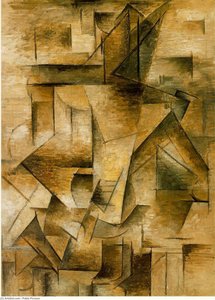
Pablo Picasso’s “Juegos de Pajes” (Games of Puppets) stands as a cornerstone of Cubism, embodying the movement's radical departure from traditional artistic conventions. Painted circa 1925, this monumental canvas—measuring approximately 81 x 63 cm—captures a dynamic tableau of figures engaged in an ambiguous ritualistic dance, simultaneously unsettling and mesmerizing viewers with its fractured perspective and deliberate disregard for natural representation. The artwork resides within the Kunstmuseum Bern’s collection, offering visitors a privileged glimpse into Picasso's artistic vision during his peak creative period.The Fractured Landscape of Perception
At first glance, “Juegos de Pajes” presents a scene dominated by a horse—a recurring motif in Picasso’s oeuvre—whose head is shockingly transformed into a skull. This jarring juxtaposition immediately establishes the painting’s core thematic concern: confronting mortality and questioning established notions of reality. The horse itself isn't depicted realistically; instead, it’s dissected into geometric planes—cubes, cylinders, and cones—a technique pioneered by Picasso alongside Georges Braque. These fragmented forms aren’t merely stylistic choices but represent a profound epistemological shift – an attempt to depict not what is seen but how perception itself breaks down into constituent parts. The surrounding figures are similarly rendered in fractured poses, mirroring the horse's distorted anatomy and reinforcing the overarching impression of instability.Symbolism Within Geometric Precision
Beyond its formal innovation, “Juegos de Pajes” resonates with symbolic depth. The horse skull serves as a potent emblem of death and decay—a preoccupation that reflects Picasso’s personal experiences following the tragic loss of his son André during World War I. However, the figures themselves are not simply passive subjects; they appear to be actively engaged in a ritualistic dance, hinting at themes of transformation and regeneration. The inclusion of objects – a bowl, a cup, two books – adds layers of complexity to the composition. These items aren’t merely decorative elements but could represent symbols of contemplation, memory, or perhaps even the fragmented remnants of past lives. Picasso's masterful use of color—primarily muted browns and ochres—contributes to the painting’s somber mood, emphasizing the psychological weight of its subject matter.A Legacy of Artistic Revolution
“Juegos de Pajes” exemplifies Picasso’s unwavering commitment to artistic experimentation and his willingness to challenge conventional aesthetic standards. It solidified Cubism's position as a dominant force in European art between 1907 and 1914, influencing generations of artists who followed. The painting’s enduring appeal lies not only in its groundbreaking technique but also in its ability to provoke contemplation about fundamental questions concerning human existence—a testament to Picasso’s genius as both an artist and a thinker. Its presence within the Buffalo AKG Art Museum ensures that this iconic masterpiece continues to inspire awe and admiration among art enthusiasts worldwide.常见问题与解答
是否有关于 毕加索 的《Juegos de pajes》 的导览页?
"Juegos de pajes" 的指南请参阅作品的 指南 页面 —— 这是一份可打印的信息单,包含了该作品的说明、署名以及详细信息表(艺术家、日期、媒介、原尺寸、馆藏)。
"Juegos de pajes" 是如何平衡明暗对比的?
“Juegos de pajes”的整体亮度为deep_shadow,其亮度值为Soft Shadow。
《Juegos de pajes》这一Cubist Representation风格的作品传达了怎样的情感基调?
在Cubist Representation运动中,"Juegos de pajes"以Melancholic的基调被记录下来。
 实景预览
实景预览
 分享
分享 分享
分享
 详情
详情 指南
指南

 下载作品
下载作品
 相似作品
相似作品 X射线
X射线 幻灯片播放
幻灯片播放 Q&A
Q&A 统计数据
统计数据