切换至版画销售渠道
 展开全文
展开全文







































 对于任何边长超过 105 厘米(约 41 英寸)的艺术品或复制品,画框将以拆解后的组件形式发货。此方法可确保安全送达并防止运输过程中的损坏。


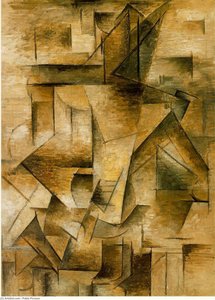
Buveuse d'absinthe: A Portrait of Quiet Contemplation
Pablo Picasso’s “Buveuse d’absinthe,” completed in 1902, is more than just a depiction of a woman; it’s a snapshot of Parisian bohemian life and a masterful exploration of psychological portraiture. Painted during Picasso's formative years—a period marked by experimentation with Cubism and grappling with personal loss—the artwork embodies the spirit of its time while simultaneously delving into themes of introspection and melancholy.
- Subject Matter: The painting portrays a woman seated at a table, seemingly absorbed in her thoughts. Her gaze downward suggests a profound contemplation, hinting at inner turmoil beneath a veneer of composure.
- Style & Technique: Picasso employs a fragmented Cubist style, characteristic of his early oeuvre. Geometric shapes dominate the composition—the table, chair, and even the woman’s torso are broken down into planes and facets—creating an illusionistic effect that defies traditional perspective. The muted palette contributes to the painting's somber mood.
- Historical Context: “Buveuse d’absinthe” emerged during a vibrant cultural landscape in Paris, where absinthe – a potent anise liqueur – was consumed widely by artists and intellectuals as a stimulant for creativity. Picasso himself frequented cafés frequented by bohemian figures, absorbing the atmosphere of intellectual discourse and artistic innovation.
Symbolism & Emotional Resonance
The woman’s posture—her hands resting on her face—is laden with symbolic significance. It represents vulnerability, introspection, and perhaps a desire to escape from external pressures. The inclusion of the wine glasses and bottle serves as subtle reminders of social rituals and indulgence, juxtaposed against the woman's solitary gaze.
- Wine Glasses & Bottle: These objects symbolize conviviality and pleasure but also highlight the woman’s isolation from others.
- Clock: The clock hanging on the wall above her head underscores the passage of time—a poignant reminder of mortality and the fleeting nature of experience.
A Legacy of Impressionistic Fragmentation
Picasso's masterful manipulation of form and color elevates “Buveuse d’absinthe” beyond mere representation, transforming it into an emotionally resonant portrait that captures a moment of quiet contemplation. It stands as a testament to Picasso’s pioneering approach to painting—a rejection of academic conventions in favor of subjective vision—and continues to fascinate viewers with its understated beauty and psychological depth.
- Influence: This artwork profoundly impacted the development of Cubism, establishing Picasso's reputation as a visionary artist who challenged artistic norms.
- Reproductions: High-quality reproductions of “Buveuse d’absinthe” offer art lovers and interior designers alike an opportunity to experience the painting's evocative atmosphere and intellectual complexity in their own homes.
常见问题与解答
如何预览毕加索 的《Buveuse d'absinthe》的复制品?
若要预览 毕加索 的《Buveuse d'absinthe》 复制品的详情,请打开该作品的 效果预览 页面。
如何发现与 毕加索 的《Buveuse d'absinthe》 风格相近的艺术品?
与“Buveuse d'absinthe”相似的作品已列在艺术品的 相似作品 页面中。
什么样的摆放方式最适合 毕加索 的《Buveuse d'absinthe》 的画幅?
关于 毕加索 的《Buveuse d'absinthe》,记录了其规格 (Portrait) 与建议摆放空间 (Coffee Shop) 这两项陈列信息。
 实景预览
实景预览
 分享
分享 分享
分享
 详情
详情 指南
指南

 下载作品
下载作品
 相似作品
相似作品 X射线
X射线 幻灯片播放
幻灯片播放 Q&A
Q&A 统计数据
统计数据