
 实景预览
实景预览
 发送
发送 分享
分享
 详情
详情 指南
指南

 下载图片
下载图片
 相似作品
相似作品 X射线
X射线 幻灯片播放
幻灯片播放 统计数据
统计数据Emblem


 阅读全文
阅读全文
艺术微喷/版画
博物馆级艺术微喷或帆布版画,制作高效,并提供多种饰面选择。 ( 订购此收藏品的纯手工复刻画作 切换至数字图像销售渠道)




P118B ¥10

P118H ¥10

P118W ¥10

P438Z ¥10

P508JH ¥12

P508YH ¥12

P805H ¥10

P805Z ¥10

P919BZ ¥10

P919G ¥10

P919XJ ¥10

P959ZH ¥10

P968JZ ¥12

W106C ¥8

W218G ¥10

W218JH ¥8

W218Y ¥10

W307PJ ¥10

W316G ¥10

W316PJ ¥8

W316Y ¥10

W398PJ ¥8

W4111J ¥10

W500HY ¥15

W500JH ¥15

W692G ¥12

W849H ¥8

W940BG ¥15

W953PJ ¥8




您可以从与原作比例一致的预设尺寸中进行选择。

请输入您所需的宽度和高度,以适配您的画框或墙面。由于印刷品只能进行裁剪,无法超出原图尺寸,因此若比例不一致,画面的一部分将会被裁切。在正式印刷之前,我们会为您发送一份数字效果图供您确认。本页面显示的图片并非最终裁剪后的效果——只有效果图才能展示真实的裁剪情况。


 玻璃选项仅适用于110厘米以下的尺寸。

Emblem
艺术微喷/版画
复刻品尺寸说明
-


总计金额
¥ 537
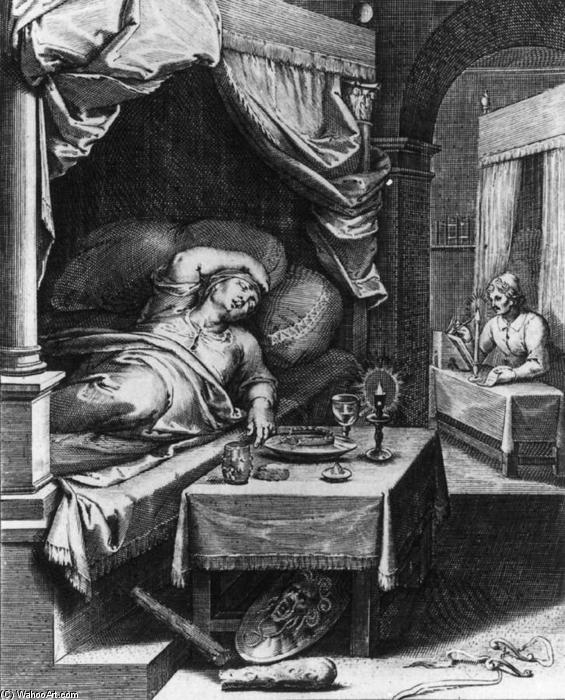
Otto van Veen’s Emblem: A Baroque Meditation on Grief
The engraving “Emblem,” created by Otto van Veen in 1607, stands as a testament to the artistic fervor of the Baroque period—a time marked by dramatic emotion and opulent visual grandeur. More than just a depiction of imagery, it's an immersive experience into the spiritual anxieties of its era, skillfully rendered with meticulous detail and imbued with profound symbolic resonance. This artwork resides within the North Carolina Museum of Art’s collection (Object Number: NCMA 1987.36), offering visitors a glimpse into the artistic sensibilities of Flemish Baroque art. ### Artistic Style and Technique – The Language of Emotion Van Veen's approach to engraving exemplifies the stylistic conventions prevalent during his time. Characterized by thick, expressive linework—primarily hatching and cross-hatching—the artist prioritizes conveying emotion over strict realism. Unlike Renaissance artists who sought idealized representations, Baroque painters like Van Veen embraced dramatic chiaroscuro (light and shadow), amplifying visual impact and fostering a palpable sense of sorrow. The engraving utilizes a burin tool to carve lines into a metal plate, transferring ink onto paper with remarkable precision—a technique that allowed for nuanced tonal gradations and heightened textural qualities. This careful execution contributes significantly to the artwork’s overall mood and reinforces its thematic concerns. ### Historical Context – Faith Amidst Turbulent Times “Emblem” emerged during a period of intense religious upheaval in Europe, specifically within the Low Countries. The Protestant Reformation had irrevocably fractured Christendom, sparking conflicts between Catholic and Protestant factions. Van Veen's artistic milieu was profoundly influenced by this turbulent landscape; he worked alongside humanist thinkers like Dominicus Lampsonius and Jean Ramée who championed classical learning and challenged traditional dogma. This intellectual climate fostered a preoccupation with mortality—a central theme explored in “Emblem”—reflecting anxieties about divine judgment and the fragility of human existence. The engraving’s solemn composition speaks to the spiritual fervor of its time, mirroring broader societal concerns regarding faith and morality. ### Symbolism – Death, Mourning, and Divine Lamentation The artwork's visual elements are laden with symbolic significance. At its core lies a reclining figure—likely representing Christ—surrounded by attendants who convey grief and sorrow. The opulent drapery and furnishings serve as emblems of wealth and status, yet simultaneously underscore the pervasive atmosphere of loss. The pyramidal structure of the image draws the viewer’s gaze upwards towards the central figure, emphasizing spiritual contemplation. Furthermore, the scene evokes themes of biblical lamentation—a common motif in Baroque art—reflecting a belief in divine compassion amidst human suffering. Each carefully positioned element contributes to the artwork's overarching narrative and invites viewers to contemplate profound existential questions. ### Emotional Impact – A Window into Baroque Soul Ultimately, “Emblem” succeeds in capturing the emotional intensity characteristic of Baroque art. The dramatic lighting casts deep shadows that heighten the mood of despair, while the meticulous linework conveys a palpable sense of sorrow and solemnity. Viewing this engraving is akin to stepping into a darkened chapel—a space designed for contemplation and reverence. It’s an artwork that transcends mere visual representation; it communicates profound spiritual truths through masterful technique and evocative imagery. Like Gerard Seghers' “Christ and the Penitent Sinners,” (NCMA 1987.36), “Emblem” exemplifies the Baroque preoccupation with conveying emotion and exploring themes of faith and mortality—a legacy that continues to inspire artists and collectors today.艺术家简介
跨越文艺复兴与巴洛克的生命:奥托·范·芬的世界
奥托·范·芬(Otto van Veen)这个名字,仿佛回荡着16世纪末至17世纪初艺术史的余音,在艺术长河中占据着一个迷人的位置。他于1556年左右出生于荷兰莱顿的一个显赫家族——其父曾任市长——范芬的一生充满了信仰的变迁与艺术的演进。在他青少年时期,笼罩在低地国家的宗教紧张局势深刻地塑造了他的命运轨迹。1572年,由于对天主教信仰的坚守,面对日益高涨的新教浪潮,他的家族迁往安特卫普,这不仅是一次地理上的迁移,更是他智识与艺术形成的转折点。这次变迁使他得以接触到多米尼库斯·兰普索纽斯(Dominicus Lampsonius)和让·拉梅(Jean Ramée)等影响力人物,为他日后那充满人文主义理想与古典学识的职业生涯奠定了基石。随后在1574或1575年左右前往罗马的旅程更是至关重要;通过沉浸在意大利文艺复兴的核心地带,他吸收了那些将定义其成熟作品的风格精髓——即矫饰主义(Mannerism)所特有的优雅、精致的构图以及对理想化形态的强调。尽管关于他在罗马受教的具体程度仍存在学术争论,部分学者甚至认为他曾师从费德里科·祖卡里(Federico Zुccari),但其深远的影响力是不容置疑的。赞助、教学与大师的塑造
从意大利归来后,范芬迅速确立了自己作为一名备受追捧的艺术家的地位。凭借卓越的才华,他赢得了在布鲁塞尔担任帕尔马公爵亚历山大·法内塞(Alexander Farnese)宫廷画师的职位,后者当时是南尼德兰的总督。这份赞助不仅为他提供了经济上的稳定,更让他得以进入一个高度成熟的艺术圈层,并获得了承接大规模委约作品的机会。1593年,他成为安特卫普圣路加行会的成员,巩固了自己的专业地位。然而,范芬留下的遗产远不止于他个人的画作;它与艺术史上最负盛名的巨匠之一——彼得·保罗·鲁本斯(Peter Paul Rubens)的职业生涯有着密不可分的联系。从约1594或1595年到1598年,范芬担任鲁本斯的老师,为这位年轻艺术家灌输了严谨的古典教育和对人文主义原则的深刻理解。这种师徒传承对于塑造鲁本斯的智识框架与艺术感官至关重要,为其未来的辉煌成就奠定了基础。范芬不仅传授技艺,更培养了一种强调艺术、文学与哲学融合的世界观——这正是鲁本斯后期丰硕产出的核心特征。在此期间,范芬还承担了大量的宗教委约,用祭坛画和礼拜堂装饰教堂,展现了他作为一名技艺精湛且可靠的艺术家的多才多艺与日益增长的名望。矫饰主义的情怀与纹章书的语言
范芬的艺术风格深深植根于矫饰主义之中,这种美学以拉长的形体、优雅的姿态、复杂的构图和细腻的色调为特征。他的绘画作品往往散发出一种优雅的气息与智识的沉思感。他被誉为“*pictor doctus*”——即博学的画家——这一称号反映了他致力于将人文主义主题融入创作的决心。除了绘画,范芬在蓬勃发展的纹章书(emblem books)领域也做出了显著贡献,这是一种通过图像与文字结合来传递道德与哲学信息的流行体裁。他的《昆提斯·霍拉提乌斯·弗拉库纹章集》(1607)、《爱情纹章集》(1608)以及《神圣之爱纹章集》(1615)都是这一形式的典范,展示了他作为艺术家与学者的双重造诣。尤其是《爱情纹章集》,其影响力广泛,成为了后世纹章书的模范,并启发了不同领域的艺术家。书中描绘的小天使(putti)演绎着古典文学与神话场景,辅以机智的格言,捕捉到了文艺复锐人文主义的精神及其对尘世与神圣之爱的迷恋。晚年岁月与持久的影响力
即便当艺术品味开始转向巴洛克式的动态与张力时,范芬依然保持着蓬勃的生命力。尽管没有获得正式的宫廷任命,他仍与阿尔布雷希特大公和伊莎贝拉女大公保持着紧密的联系。这一时期的一项重要成就,是受荷兰议会委约创作的一系列十二幅描绘罗马人与巴达维人战争的画作,这些作品是基于他早前创作的版画改编而成的。这一项目证明了他适应政治格局变迁并满足多样化艺术需求的能力。在整个职业生涯中,范芬始终活跃于安特卫普的艺术界,曾先后担任圣路加行会(1602年)和罗马派画家协会(1606年)的会长。他出身于一个极具艺术天赋的家族:他的兄弟吉斯贝尔特是一位出色的版画家,女儿格特鲁德也从事绘画,数名侄子亦是优秀的粉彩画家。1629年,奥托·范芬在布鲁塞尔逝世,留下的遗产远远超出了他个人的作品集。著名的荷兰艺术史学家阿诺德·豪布拉肯(Arnold Houbraken)赞誉他是当时最令人印象深刻的艺术家与学者,甚至在其具有影响力的著作《荷兰画家传》的扉页上刊登了他的肖像。他的持久意义不仅在于自身的艺术成就,更在于他作为教师与导师的关键角色——尤其是对鲁本斯的教导——以及他对那个时代智识与艺术潮流的贡献。他是一位引人入胜的人物,架起了文艺复兴与巴洛克时期之间的桥梁,体现了人文主义艺术家的理想,并在弗兰德斯绘画史上留下了不可磨灭的印记。
奥托·范·芬
1556 - 1629 , 荷兰
快速概览
- Artistic Movement Or Style: 风格主义
- Artists Or Movements Influenced By This Artist: ['彼得·保罗·鲁本斯']
- Artists Who Influenced This Artist: ['费德里科·祖卡里']
- Date Of Birth: 1556年
- Date Of Death: 1629年
- Full Name: 奥托·范·芬
- Nationality: 佛兰芒人
- Notable Artworks:
- 巴达维亚人击败罗马人
- 和平谈判
- 布林诺被举在盾牌上
- 爱情纹章
- Place Of Birth: 荷兰,莱顿
相关文章

伦勃朗25幅杰作:光影大师的艺术传奇与家居臻选
探索伦勃朗25幅杰作,领略荷兰黄金时代光影大师的艺术传奇!从《夜巡》到自画像,深入了解巴洛克艺术、历史绘画与人物肖像背后的故事。OriginalUniqueArt.com提供高清艺术复制品及家居装饰灵感。立即探索完整系列!

Decoding Baroque Grandeur: A Guide to the Drama and Emotion of 17th-Century Art
Explore the breathtaking drama of 17th-century Baroque art. Our expert guide decodes the use of chiaroscuro, emotional intensity, and historical grandeur to help you appreciate and curate timeless masterpieces for your collection.
Engraving's Golden Age: 10 Masterpieces That Redefined Art | OriginalUniqueArt
Journey through art history with our Top 10 Legendary Engravings! Explore masterpieces by Dürer, Rembrandt & Goya. Discover the stories behind these iconic prints and find museum-quality reproductions for your home at OriginalUniqueArt.com.

Baroque Classicism: The Grandeur of Order and Drama in 17th-Century Art History
Explore the profound elegance of Baroque Classicism. Discover how 17th-century masters synthesized dramatic emotion with classical order through the lens of the Counter-Reformation and the works of legends like Carlo Maratta and Andrea Sacchi.
Masterpieces of the 17th Century: Art, History & Decor Inspiration | OriginalUniqueArt
Journey through 17th century art with masterpieces by Rembrandt, Vermeer & Caravaggio. Explore Baroque paintings, Dutch Golden Age techniques & timeless beauty. Find museum-quality reproductions and elevate your home decor on OriginalUniqueArt.com.