
 实景预览
实景预览
 分享
分享 分享
分享
 详情
详情 指南
指南

 下载作品
下载作品
 相似作品
相似作品 X射线
X射线 幻灯片播放
幻灯片播放 问答
问答 统计数据
统计数据Nelly among Flowers


 展开全文
展开全文
艺术微喷/版画
博物馆级艺术微喷或帆布版画,制作高效,并提供多种饰面选择。 ( 订购纯手工绘制画作 切换至数字图像销售渠道)




P118B ¥10

P118H ¥10

P118W ¥10

P438Z ¥10

P508JH ¥12

P508YH ¥12

P805H ¥10

P805Z ¥10

P919BZ ¥10

P919G ¥10

P919XJ ¥10

P959ZH ¥10

P968JZ ¥12

W106C ¥8

W218G ¥10

W218JH ¥8

W218Y ¥10

W307PJ ¥10

W316G ¥10

W316PJ ¥8

W316Y ¥10

W398PJ ¥8

W4111J ¥10

W500HY ¥15

W500JH ¥15

W692G ¥12

W849H ¥8

W940BG ¥15

W953PJ ¥8




您可以从与原作比例一致的预设尺寸中进行选择。

请输入您所需的宽度和高度,以适配您的画框或墙面。由于印刷品只能进行裁剪,无法超出原图尺寸,因此若比例不一致,画面的一部分将会被裁切。在正式印刷之前,我们会为您发送一份数字效果图供您确认。本页面显示的图片并非最终裁剪后的效果——只有效果图才能展示真实的裁剪情况。


 玻璃选项仅适用于110厘米以下的尺寸。

Nelly among Flowers
艺术微喷/版画
复刻品尺寸
-


最终结算价
¥ 544
Otto Dix’s Tender Reverie: Nelly Among Flowers
The painting “Nelly Among Flowers” by Otto Dix stands as an arresting paradox—a glimpse into the artist's deeply personal world juxtaposed against the stark, uncompromising aesthetic of Neue Sachlichkeit. Created in 1924, shortly after Dix’s daughter Nelly was born, it represents a significant departure from his characteristic depictions of war and societal critique, offering instead a serene tableau bathed in soft light and brimming with natural beauty. As art historian Willi Wolfradt aptly noted: “He is fascinated by his young child at the moment, and his hard style gives way to subtle, clear transparency when he paints, etches, draws her. When it comes to Dix, one might be prepared for anything—and yet, surprises are still to come.”- Subject Matter: The artwork portrays Nelly, Dix’s infant daughter, nestled amongst a profusion of flowers – lilies, roses, and daisies – creating an idyllic scene that contrasts sharply with the anxieties prevalent in Weimar Germany.
- Style & Technique: Dix employs a masterful blend of oil paint on canvas, utilizing meticulous brushstrokes to capture the delicate textures of petals and foliage. The artist’s technique is characterized by a remarkable attention to detail, mirroring the precision demanded by Neue Sachlichkeit while simultaneously conveying an undeniable warmth and tenderness.
A Reflection of Weimar Aesthetic Ideals
Dix's decision to depict Nelly in such a luminous setting speaks volumes about the evolving artistic sensibilities of the period. Neue Sachlichkeit, emerging from the disillusionment following World War I, sought to reject Romantic idealism and embrace an objective portrayal of reality—often confronting uncomfortable truths about German society. However, “Nelly Among Flowers” transcends mere stylistic convention; it embodies a yearning for beauty and innocence amidst the turbulent backdrop of political instability and social upheaval. The painting’s muted palette – dominated by greens and whites – reinforces this sense of tranquility and underscores Dix's desire to express a profound emotional connection with his child.- Historical Context: Painted during the Weimar Republic, “Nelly Among Flowers” reflects the broader artistic movement’s preoccupation with confronting societal ills while simultaneously celebrating moments of quiet contemplation and familial affection.
- Symbolism: The flowers themselves serve as potent symbols—representing purity, rebirth, and maternal love. Nelly's posture, gazing intently at the blossoms, suggests a connection to nature and an appreciation for simple joys.
Comparative Analysis & Artistic Influence
Interestingly, Dix’s approach to this intimate portrait draws parallels with the work of Albrecht Dürer and Albrecht Altdorfer—artists who championed meticulous observation and idealized representations of human form within a framework of classical tradition. This stylistic reference demonstrates Dix's intellectual engagement with art history and underscores his ambition to elevate painting beyond mere documentation, striving instead for an emotionally resonant experience for the viewer. Like Runge’s *Die Hülsenbeckschen Kinder*, “Nelly Among Flowers” exemplifies Dix’s ability to infuse seemingly straightforward compositions with subtle layers of meaning—a testament to his artistic genius and enduring legacy.A Timeless Masterpiece
“Nelly Among Flowers” remains a captivating example of Dix's artistic prowess, demonstrating how he could reconcile the harsh realities of his time with an unwavering devotion to beauty and tenderness. Its meticulous technique, evocative symbolism, and profound emotional impact solidify its place as one of Dix’s most cherished creations—a poignant reminder that even amidst darkness, art can illuminate the human spirit.常见问题与解答
在购买之前,我可以在自己的墙上预览 奥托·迪克斯 的《Nelly among Flowers》 吗?
“Nelly among Flowers” 支持增强现实(AR)预览:通过作品的 AR 效果预览 页面,您可以在兼容设备上查看该作品呈现在您专属空间的效果。
什么样的摆放方式最适合 奥托·迪克斯 的《Nelly among Flowers》 的画幅?
奥托·迪克斯 的《Nelly among Flowers》 的 Portrait 格式推荐用于 Living Room。画幅与空间的结合,将为您提供复制品摆放的指引。
"Nelly among Flowers" 的色彩饱和度如何?
"Nelly among Flowers" 的色彩饱和度为 Clear Color Presence。
艺术家简介
早年生活与战争阴影
维尔海姆·海因里希·奥托·迪克斯,1891年生于德国的温特豪森,成长在一个充满工业劳作和静谧艺术渴望的世界。他的父亲是一位铁铸工,辛勤劳作;母亲则怀有诗意的心灵,在家中营造出微妙地滋养着年轻奥托创造力的氛围。至关重要的是,表弟、画家弗里茨·阿曼的影响真正点燃了迪克斯的抱负。在阿曼的工作室度过的时光不仅仅是技术的学习,更是一次沉浸于艺术表达拥有切实力量的世界。这种早期的接触促使他与卡尔·森夫学徒,随后进入德累斯顿 Kunstgewerbeschule 学习,但最初专注于应用艺术而非纯美术。然而,第一次世界大战的爆发彻底改变了迪克斯的艺术轨迹。自愿参军后,他亲身经历了堑壕战的残酷现实,这种创伤将困扰他的作品数十年之久。在索姆河和弗兰德斯等地目睹的恐怖景象留下了不可磨灭的印记,使他从一位有前途的风景画家转变为人类苦难和社会衰败的编年史家。魏玛共和国与新客观主义
从战争中归来的迪克斯发生了深刻的变化,他将自己的经历转化为对战后时代的毫不妥协的描绘。他的早期战后作品反映了表现主义倾向,但他很快转向了一种新的美学——*Neue Sachlichkeit*,或称“新客观主义”。这一运动拒绝情感抽象,转而采用冷峻的现实主义和批判性的社会评论。迪克斯与乔治·格罗茨和马克斯·贝克曼一起成为其主要代表人物之一。1923年创作的《战壕》因其对肢解尸体的逼真描绘而引起公众愤怒,迫使博物馆将其作品隐藏起来。这并非仅仅是为了制造轰动效应,而是迪克斯刻意试图让观众面对战争的残酷真相,消除任何浪漫化的英雄主义或荣耀色彩。他毫不回避地描绘士兵遭受的身体和心理创伤,也没有忽视社会对他们困境的漠视。《战壕》系列画作进一步强调了这一主题,展现了被一个渴望继续前进的社会边缘化和遗忘的老兵。除了战争之外,迪克斯也将目光投向魏玛德国的过度放纵和道德沦丧。《大都市》(1928)是对城市生活的严厉谴责,充满了放荡、卖淫和社会异化的场景。他那个时期的肖像画同样毫不留情,捕捉了那个时代精英阶层的愤世嫉俗和颓废。政治动荡与晚年
随着德国在 1930 年代陷入政治动荡,迪克斯越来越受到纳粹政权的针对。《他的作品被定为“堕落”艺术》,并于 1933 年被解雇了德累斯顿美术学院的教职。面对迫害和审查,迪克斯逐渐从公开的政治主题转向风景和宗教题材——这是为了自保的策略之举。然而,即使是这些后来的作品也保留了一种潜在的紧张感和不安感。第二次世界大战期间,他再次被征召入德国军队服役,这次经历进一步巩固了他反战立场。战争结束后,迪克斯获得了新的认可和赞誉,但两次冲突的创伤继续在他的艺术中回响。他成为战后德国受人尊敬的人物,但从未完全摆脱战争经历的阴影。遗产与艺术影响
奥托·迪克斯的艺术遗产是多方面的、持久的。他仍然是 20 世纪最重要的德国画家之一,以其毫不妥协的现实主义、尖锐的社会评论和对人类苦难毫不留情地描绘而闻名。他的影响力可以从后世艺术家身上看到,这些艺术家致力于面对困难的真相并挑战社会规范。迪克斯将技术技巧与情感强度相结合的能力使他脱颖而出;他不仅仅是在记录现实,而是通过深刻的同情和道德愤怒的视角来解读它。他对战争、创伤、社会不公和人类状况等主题的探索至今仍引起观众共鸣。 他证明了艺术既可以具有美学力量又可以具有政治参与性,成为一股强大的社会变革力量。- 迪克斯的作品在世界各地的主要博物馆展出,包括纽约现代艺术博物馆和德国苏尔蒙特-路德维希博物馆。
- 他的版画作品,特别是《战争》,被认为是图形艺术的杰作。
- 他仍然是理解魏玛德国的艺术和社会景观的关键人物。
象征与技巧
奥托·迪克斯的作品不仅仅是视觉呈现,它们还蕴含着深刻的象征意义。例如,《战壕》中扭曲变形的人体不仅是对战争残酷现实的描绘,也是对人类尊严丧失的反思。他使用的冷峻色彩和粗糙笔触进一步强化了画作的压抑氛围。在《大都市》中,迪克斯运用夸张的手法来揭示魏玛社会的光鲜外表下的腐朽本质。人物形象被描绘成空洞、麻木,象征着现代都市生活的异化与疏离。 迪克斯是一位技艺精湛的画家,他熟练掌握各种绘画技巧。他擅长运用现实主义手法,对细节进行精确刻画,使作品具有强烈的视觉冲击力。同时,他也善于运用表现主义手法,通过扭曲变形、色彩对比等方式来表达内心的情感和思想。他的版画作品更是体现了他高超的技艺,线条简洁有力,构图精巧紧凑,具有极强的艺术感染力。迪克斯对绘画材料的选择也十分讲究,他常常使用粗糙的画布和廉价的颜料,以营造出一种压抑、灰暗的氛围。
奥托·迪克斯
1891 - 1969 , 德国
艺术家简介
- Artistic Movement Or Style: 新客观主义
- Artists Or Movements Influenced By This Artist: ['乔治·格罗茨']
- Date Of Birth: 1891年12月2日
- Date Of Death: 1969年7月25日
- Full Name: 威廉·海因里希·奥托·迪克斯
- Nationality: 德国国籍
- Notable Artworks (List Of Titles):
- 战壕
- 大都市
- 战争残废者
- 战争
- Place Of Birth (City And Country): 德国 Unterhausen
相关文章

Otto Dix: Trauma, Society & Artistic Rebellion in Weimar Germany
Explore the powerful and unsettling art of Otto Dix, a key figure of Neue Sachlichkeit. Discover his unflinching depictions of Weimar Germany's trauma, society, and war through insightful analysis & iconic masterpieces.

Unblinking Truths: The Clinical Realism of Germany’s Neue Sachlichkeit
Explore the clinical precision of German New Objectivity through masters like Otto Dix. Discover the truth behind the Weimar era's raw realism.
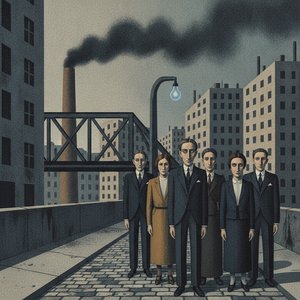
Neue Sachlichkeit: The Sharp, Gritty Edge of Modern Realism and the Power of Unflinching Truth
Explore the raw power of Neue Sachlichkeit. Discover how German New Objectivity rejected Expressionist emotion for a sharp, clinical realism that captured the gritty truth of the Weimar Republic. A deep dive into the movement's lasting impact on modern visual culture.
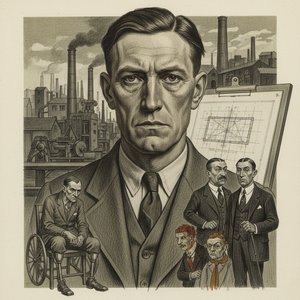
新客观主义:一战后德国艺术的理性反思与社会批判
深入了解一战后德国艺术运动“新客观主义”,探索格罗兹、迪克斯等大师的社会批判作品。OriginalUniqueArt提供专业艺术史解读、高品质油画复制与定制服务,助力您的艺术收藏之旅。
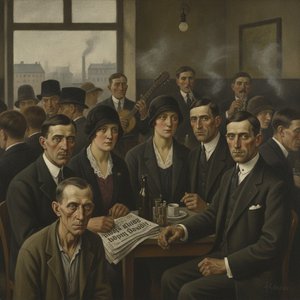
Neue Sachlichkeit: The Unflinching Realism and Social Critique of German New Objectivity
Explore the raw realism of Neue Sachlichkeit. Discover how German New Objectivity artists like Otto Dix and George Grosz captured the turbulent Weimar Republic through unflinching social critique and precise detail. A definitive guide for art historians and collectors.


