

 实景预览
实景预览
 发送
发送 分享
分享
 详情
详情 指南
指南

 下载图片
下载图片
 相似作品
相似作品 X射线
X射线 幻灯片播放
幻灯片播放 统计数据
统计数据Madonna
 Oil On Canvas
- WallArt
- Baroque
 Early Modern
 131.0 x 91.0 cm
 国家美术馆
国家美术馆
 阅读全文
阅读全文
艺术微喷/版画
博物馆级艺术微喷或帆布版画,制作高效,并提供多种饰面选择。 ( 订购此收藏品的纯手工复刻画作 切换至数字图像销售渠道)




P118B $10

P118H $10

P118W $10

P438Z $10

P508JH $12

P508YH $12

P805H $10

P805Z $10

P919BZ $10

P919G $10

P919XJ $10

P959ZH $10

P968JZ $12

W106C $8

W218G $10

W218JH $8

W218Y $10

W307PJ $10

W316G $10

W316PJ $8

W316Y $10

W398PJ $8

W4111J $10

W500HY $15

W500JH $15

W692G $12

W849H $8

W940BG $15

W953PJ $8




您可以从与原作比例一致的预设尺寸中进行选择。

您可以输入自定义尺寸,以适配特定的画框或空间。如果您选择的尺寸与原图比例不符,我们将对作品进行裁剪,或通过镜像填充/纯色填充边缘的方式来扩展图像。在开始制作之前,我们会向您发送一份数字效果图供您确认。
请注意,屏幕上的预览并不能反映实际的裁剪或扩展效果。只有效果图才能准确展示最终的构图。
虽然我们提供定制尺寸,但为了保持原图比例,我们建议您从预设列表中选择尺寸。


 玻璃选项仅适用于110厘米以下的尺寸。

Madonna
艺术微喷/版画
复刻品尺寸说明
-


总计金额
$ 80
A Divine Encounter in Shadow and Light
In the quietude of Orazio Gentileschi’s Madonna, we find ourselves standing at the threshold of a transformative era in art history. This masterpiece, painted around 1604, serves as a breathtaking bridge between the elegant, often artificial complexities of Mannerism and the raw, visceral drama of the Baroque. The composition centers on the Virgin Mary, whose presence is both profoundly human and ethereally divine. Clad in a somber brown robe trimmed with delicate white, her face radiates a serene, contemplative grace. As she gazes downward, her eyes hold a depth of maternal tenderness that transcends the canvas, inviting the viewer into a moment of silent prayer. Beside her, the Christ Child, swathed in a vibrant yellow garment, looks outward toward us, creating an immediate and piercing emotional connection that bridges the gap between the sacred subject and the earthly observer.
The technical brilliance of this work lies in Gentileschi’s masterful command of chiaroscuro, a technique heavily influenced by his contemporary, Caravaggio. By plunging the background into a deep, impenetrable darkness, the artist forces our focus onto the luminous skin and rich textures of the central figures. This stark contrast does more than create depth; it sculptively carves the Madonna from the shadows, lending her a physical weight and presence that feels startlingly real. The light does not merely illuminate; it caresses the folds of the fabric and the soft contours of the infant's cheek, imbuing the scene with a sense of living breath. For the discerning collector or interior designer, this interplay of light and shadow offers a sophisticated focal point that can anchor a room with both gravity and elegance.
Symbolism and the Soul of the Baroque
Beyond its visual splendor, the Madonna is rich with the symbolic language of the early 17th century. The choice of colors—the earthy browns of the Virgin’s attire contrasted against the celestial yellow of the Child—speaks to the intersection of the terrestrial and the divine. The Madonna represents the stability of faith and the nurturing strength of the Church, while the radiant child symbolizes the light of hope entering a dark world. Every brushstroke is an exercise in humanist sensibility, where the divine is not depicted as a distant, untouchable entity, but as something intimately connected to the human experience through emotion, touch, and gaze.
To possess a reproduction of this work is to bring a piece of the Italian Renaissance's twilight and the Baroque's dawn into one's personal space. It is an invitation to contemplate the eternal themes of motherhood, devotion, and the beauty found in stillness. Whether placed in a curated gallery setting or as a soulful addition to a classically styled study, this painting offers more than mere decoration; it provides a window into a period of unparalleled artistic courage, where masters like Gentileschi dared to find the extraordinary within the shadows of the ordinary.
艺术家简介
托斯卡纳的曙光:奥拉齐奥·真蒂莱斯基的生活与艺术
1563年,奥拉齐奥·真蒂莱斯基诞生于意大利托斯卡纳起伏连绵的山丘之间。他的人生旅程将见证他成为从曼涅利主义向巴洛克绘画过渡时期举足轻重的人物。最初被称为奥拉齐奥·洛米,他逐渐被当时的艺术创新中心罗马所吸引,在科拉·德尔·阿玛塔的工坊磨练技艺,并吸收了弗朗切斯科·达·桑加罗的建筑美学理念。这些早期的影响赋予了他对形式和构图一丝不苟的关注,即使他的风格戏剧性地演变,这些特点仍然是他作品的标志。真蒂莱斯基最初的作品常常参与到其他艺术家构思的大型装饰方案中——这段经历教会了他协作与适应能力,同时也暗示着他日益增长的独立表达愿望。拥抱阴影:卡拉瓦乔的影响与艺术发展
17世纪初是真蒂莱斯基艺术轨迹的一个转折点。卡拉瓦乔革命性的自然主义席卷罗马艺术界,以其戏剧性的光影运用——明暗对比法——和毫不妥协的现实主义挑战着既定的惯例。真蒂莱斯基深受这一地震性转变的影响,将卡拉瓦乔的元素融入到自己的作品中。然而,他并非仅仅是一个模仿者;相反,他通过自己现有的艺术敏感度来过滤卡拉瓦乔的创新。在保留戏剧性的强度同时,真蒂莱斯基柔化了卡拉瓦乔明暗对比法的严酷性,引入了更明亮的调色板和对细节更为精致的处理方式。这导致他的绘画兼具情感力量和优雅风姿——一种独特的综合体,使他与同时代的人区分开来。圣经场景和神话叙事成为频繁的主题,让真蒂莱斯基得以探索信仰、英雄主义和人类脆弱性的主题,并以引人入胜的视觉讲述方式呈现出来。宫廷漫游者:从巴黎到伦敦
真蒂莱斯基的艺术声誉超越了意大利的国界。他的才华吸引了权势人物的赞助,促使他踏上了一段在欧洲各地徘徊的旅程。他在玛丽·德·美第奇女王的宫廷度过了一段时间,他的精致风格与女王对优雅和精致品味的偏好产生了共鸣。这一时期见证了他的作品进一步演变,其特点是日益复杂的构图以及更高层次的庄重感。然而,1626年他受邀前往英格兰才定义了他职业生涯的最后篇章。真蒂莱斯基被查理一世任命为宫廷画家,成为英国最早的主要卡拉瓦乔主义代表人物之一,对英国巴洛克绘画的发展产生了重大影响。他承担了雄心勃勃的项目,包括格林威治宫(现 Marlborough House)的一系列天花板画作,展示了他对大型装饰方案的掌握能力,并巩固了他作为时代领先艺术家的地位。遗产与持久的影响
奥拉齐奥·真蒂莱斯基对艺术世界的贡献是多方面的。他弥合了曼涅利主义和巴洛克之间的差距,吸收了卡拉瓦乔的创新成果,同时创造了他自己独特的风格。他对鲜艳色彩、戏剧性构图和精致技巧的使用影响了一代欧洲艺术家。 他在将卡拉瓦乔主义引入英国方面发挥了重要作用,并在那里的艺术景观上留下了不可磨灭的印记。 但也许他最持久的遗产在于他的女儿阿尔忒米西亚·真蒂莱斯基。 在她父亲的工作室接受训练后,她成为巴洛克时代最著名的女性画家之一,延续了家族的艺术传统,并以自己的名义取得了声誉。 今天,真蒂莱斯基的作品被世界各地享有盛誉的博物馆和画廊收藏——从佛罗伦萨乌菲兹美术馆到威尼斯学院美术馆——这些都是对他持久辉煌和对艺术历史的持续影响的证明。他的绘画继续以其情感深度、技术精湛和永恒的美丽吸引着观众。- 主要作品: “达娜厄”、“报喜” 、“圣母玛利亚”
- 关键影响: 曼涅利主义,卡拉瓦乔
- 艺术风格: 巴洛克,戏剧性构图,鲜艳色彩。

奥拉齐奥·真蒂莱斯基
1563 - 1639 , 意大利
快速概览
- Artistic Movement Or Style: 巴洛克、卡拉瓦主义
- Artists Or Movements Influenced By This Artist:
- 阿尔忒米西娅·真蒂莱斯基
- 巴洛克艺术
- Artists Who Influenced This Artist:
- 卡拉瓦乔
- 弗朗切斯科·达·桑加罗
- Date Of Birth: 1563年
- Date Of Death: 1639年
- Full Name: 奥拉齐奥·真蒂莱斯基
- Nationality: 意大利国籍
- Notable Artworks (List Of Titles):
- 达娜厄
- 报喜
- 圣母玛利亚
- Place Of Birth (City And Country): 托斯卡纳,意大利
相关文章

巴洛克戏剧性:将辉煌与情感融入当代室内设计
探索巴洛克艺术的辉煌与奢华!OriginalUniqueArt提供精湛的手工油画复制、定制服务和专业艺术咨询,助您将经典作品融入当代室内设计,提升家居品味。投资艺术,传承价值。

巴洛克艺术巅峰:十部巨作定义时代,点亮您的臻品格调
探索巴洛克艺术的辉煌!本文精选十部巨作,带您领略卡拉瓦乔、伦勃朗等大师的光影魔法与戏剧张力。从黄金时代到宗教绘画,感受奢华与精致。OriginalUniqueArt.com为您提供博物馆品质的艺术复制品和家居装饰灵感。尽在OriginalUniqueArt.com!

Drama and Light: A Definitive Guide to the Italian Baroque Masterpieces and the Revolution of Chiaroscuro
Explore the dramatic world of Italian Baroque art. Discover how masters like Caravaggio used chiaroscuro and tenebrism to revolutionize painting through light, shadow, and profound realism. A definitive guide for history lovers and art collectors.

Italian Baroque Unlocked: High-Drama Art That Hits Hard
Dive into the high-drama world of Italian Baroque art. Discover how chiaroscuro, intense emotion, and theatrical lighting redefined aesthetics. Explore the visceral power of the Counter-Reformation through a modern lens with expert insights from OriginalUniqueArt.com.
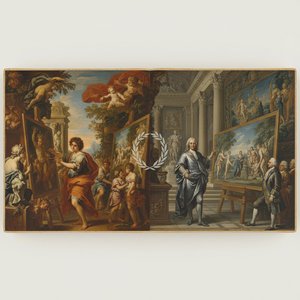
Simon Vouet: A Baroque Master's Journey from Italian Influence to French Classicism
Explore the life & art of Simon Vouet, a pivotal French Baroque painter who introduced Italian styles to France. Discover his masterpieces and lasting influence on 17th-century art.