实景预览
实景预览
 分享
分享 分享
分享
 详情
详情 指南
指南

 下载作品
下载作品
 相似作品
相似作品 X射线
X射线 幻灯片播放
幻灯片播放 问答
问答 统计数据
统计数据Boy in A dining Car


 展开全文
展开全文
艺术微喷/版画
博物馆级艺术微喷或帆布版画,制作高效,并提供多种饰面选择。 ( 订购纯手工绘制画作 切换至数字图像销售渠道)




P118B ¥10

P118H ¥10

P118W ¥10

P438Z ¥10

P508JH ¥12

P508YH ¥12

P805H ¥10

P805Z ¥10

P919BZ ¥10

P919G ¥10

P919XJ ¥10

P959ZH ¥10

P968JZ ¥12

W106C ¥8

W218G ¥10

W218JH ¥8

W218Y ¥10

W307PJ ¥10

W316G ¥10

W316PJ ¥8

W316Y ¥10

W398PJ ¥8

W4111J ¥10

W500HY ¥15

W500JH ¥15

W692G ¥12

W849H ¥8

W940BG ¥15

W953PJ ¥8




您可以从与原作比例一致的预设尺寸中进行选择。

请输入您所需的宽度和高度,以适配您的画框或墙面。由于印刷品只能进行裁剪,无法超出原图尺寸,因此若比例不一致,画面的一部分将会被裁切。在正式印刷之前,我们会为您发送一份数字效果图供您确认。本页面显示的图片并非最终裁剪后的效果——只有效果图才能展示真实的裁剪情况。


 玻璃选项仅适用于110厘米以下的尺寸。

Boy in A dining Car
艺术微喷/版画
复刻品尺寸
-


最终结算价
¥ 543
Boy in A Dining Car: An Exploration of American Life
Norman Rockwell’s “Boy in a Dining Car,” created in 1946, is more than just an illustration; it's a poignant snapshot of mid-20th century America. This oil on canvas masterpiece, measuring 96.5 x 45.7 cm, captures a fleeting moment of childhood observation and burgeoning responsibility within the context of American travel culture. The painting depicts a young boy engrossed in studying a menu while seated in a dining car, with a patient waiter attentively standing nearby. Rockwell’s ability to imbue everyday scenes with narrative depth makes this piece a quintessential example of American Regionalism.
Artistic Style and Technique
Rockwell's signature style is immediately recognizable through his meticulous attention to detail and masterful storytelling abilities. In “Boy in a Dining Car,” he employs a rich palette of colors and textures to create a sense of depth and realism. The boy’s neatly pressed suit, the crispness of the tablecloth, and the waiter’s uniform are rendered with remarkable precision, showcasing Rockwell's dedication to capturing the nuances of everyday attire. Linear perspective is skillfully utilized to draw the viewer into the scene, while soft lighting emanating from the windows creates a warm and inviting atmosphere. The brushwork is deliberate yet fluid, contributing to the overall sense of realism and narrative clarity. Rockwell’s technique demonstrates his ability to transform an ordinary setting into a compelling visual story.
Historical Context and American Regionalism
Created in 1946, “Boy in a Dining Car” reflects a specific moment in American history – the post-World War II era characterized by optimism and a renewed focus on domestic life. The painting’s setting within a dining car evokes the romance of train travel, a popular mode of transportation before the widespread adoption of automobiles and air travel. The artwork is firmly rooted in the American Regionalism movement, which sought to depict scenes and subjects specific to American life, rejecting European artistic trends. Rockwell's work, alongside artists like Grant Wood and Thomas Hart Benton, celebrated the values and experiences of ordinary Americans, contributing significantly to a uniquely American visual identity. The painting’s depiction of everyday interactions and familiar settings resonated deeply with audiences at the time and continues to evoke nostalgia today.
Symbolism and Meaning
Beyond its surface portrayal of a boy studying a menu, “Boy in a Dining Car” carries layers of symbolic meaning. The scene represents a rite of passage for the young boy, marking his transition from childhood innocence towards greater independence and responsibility. His focused attention on the menu suggests an emerging understanding of financial matters – calculating tips, a task often associated with adulthood. The waiter’s patient demeanor symbolizes guidance and mentorship, representing the subtle lessons learned through everyday interactions. The painting subtly explores themes of observation, anticipation, and perhaps even a touch of loneliness or detachment as the boy navigates this new experience. Ultimately, Rockwell captures a universal moment of growth and self-discovery within a seemingly ordinary setting.
Own a Piece of American Art History
Experience the timeless charm and narrative power of Norman Rockwell’s “Boy in a Dining Car” with our meticulously crafted handmade oil painting reproductions. Each reproduction is created by skilled artists who faithfully recreate Rockwell's original masterpiece, ensuring that every detail – from the subtle nuances of color to the expressive brushstrokes – is preserved. Bring this iconic piece of American art into your home or office and enjoy a lasting connection to a pivotal moment in American culture. The Norman Rockwell Museum and other prominent institutions have recognized Rockwell’s enduring legacy, solidifying his position as one of America's most beloved artists.
常见问题与解答
诺曼·洛克威尔 的《Boy in A dining Car》 的版权情况是如何界定的?
诺曼·洛克威尔 的作品《Boy in A dining Car》已进入 仍受版权保护。版权期限自艺术家逝世之日起计算,诺曼·洛克威尔 于 1978 年逝世。
"Boy in A dining Car" 是否支持增强现实 (AR) 预览?
通过作品的 AR 效果预览 页面,您可以在兼容设备上使用增强现实技术,在自己的墙面上预览 诺曼·洛克威尔 的《Boy in A dining Car》。
哪里可以买到 诺曼·洛克威尔 的《Boy in A dining Car》 的版画?
若想订购 诺曼·洛克威尔 的《Boy in A dining Car》 的版画,只需前往其 艺术版画 页面进行订购即可:采用棉质帆布或档案级画布纸制作的艺术版画。
艺术家简介
美国灵魂的镜子:诺曼·洛克威尔的一生与遗产
诺曼·珀西瓦尔·洛克威尔,1894年出生于纽约市,绝非仅仅是一位插画家;他是一位美国经验的视觉编年史家。从童年时期在笔记本上涂鸦的早期抱负到与《星期六晚邮报》长达数十年的合作关系,洛克威尔拥有捕捉日常生活本质的超凡能力,将看似平凡的瞬间转化为国家认同的标志性象征。他的血统可以追溯到1635年抵达北美殖民地的约翰·洛克威尔,这暗示了他与这个国家形成之初的深厚联系——这种联系深刻地影响了他的艺术视野。洛克威尔的正式训练始于十四岁时进入查斯艺术学院学习,随后在国家设计学院和艺术学生联盟学习,在那里他接受了托马斯·福加蒂和弗兰克·文森特·杜蒙德等大师的指导。这些基础年为他奠定了叙事技巧的基础。理想的诠释:洛克威尔的艺术发展
洛克威尔的职业生涯在1916年为《星期六晚邮报》绘制的第一幅封面画时蓬勃发展,标志着一段非凡的合作关系的开始,历经近半个世纪,创作了超过300幅封面。这些不仅仅是插图;它们是通往理想化美国的窗口——一个充满和谐家庭、迷人小城镇和持久价值观的世界。他早期的作品经常以轻松愉快的场景为特色,充满了深深的幽默感和温暖感,与美国公众产生了共鸣。然而,洛克威尔的艺术范围远远超出了田园诗般的描绘。当这个国家经历动荡时期——两次世界大战、大萧条和民权运动——他的艺术开始反映这些复杂性。《威利·吉利斯》系列例如,生动地描绘了一名普通士兵在第二次世界大战期间的经历,使冲突人性化并捕捉了那个时代的焦虑和希望。他战时的贡献不限于人物研究;《四大自由》绘画——言论自由、信仰自由、免于匮乏的自由和免于恐惧的自由——成为美国理想的强大象征,通过广泛的展览和复制为战争救济筹集了超过1.3亿美元。超越感伤:直面社会现实
虽然经常因其对美国风俗的怀旧描绘而受到赞扬,但洛克威尔并非不受批评。一些人认为他的作品过于感伤或缺乏艺术深度。然而,更仔细的研究表明他愿意面对困难的社会问题,尤其是在职业生涯后期。《我们共同面临的问题》,创作于1964年,是这一演变的有力证明。这幅画描绘了六岁的非裔美国女孩鲁比·布里奇斯在联邦法警的护送下上学,背景中充满了种族仇恨和偏见。这件作品曾在奥巴马总统执政期间陈列在白宫,超越了最初的环境,成为民权斗争的持久象征。洛克威尔愿意处理如此敏感的话题表明了他致力于使用他的艺术作为社会评论的工具,挑战观众面对他们社会的令人不安的事实。他在此期间为《展望》杂志创作的插图进一步巩固了他的艺术家声誉,他愿意参与当代问题。持久的文化影响
诺曼·洛克威尔的影响远远超出了插画领域。他已成为一种特定愿景的代名词——扎根于社区、家庭价值观和乐观精神。他的作品渗透到流行文化中,激励了无数艺术家、作家和电影制作人。“洛克威尔式”一词已经进入词典,用于描述唤起对美国生活怀旧或理想化描绘的图像。尽管最初受到一些艺术评论家的怀疑,但洛克威尔的遗产得以延续,他的画作现在在艺术市场上占据重要地位,并装饰着全国各地的博物馆墙壁,最著名的是马萨诸塞州斯托克布里奇的诺曼·洛克威尔博物馆——这证明了他的持久吸引力。1977年,他获得了总统自由勋章,充分认可了他对美国文化的深刻贡献。洛克威尔的艺术今天仍然引起观众共鸣,提醒我们共同的历史、我们的愿望以及故事讲述的持久力量。《他的能力捕捉人类精神——包括其所有复杂性和矛盾性——确保了他的作品将继续成为未来几代人美国文化景观的重要组成部分。- 艺术运动或风格:现实主义,插图
- 影响这位艺术家的艺术家:托马斯·福加蒂、乔治·布里奇曼、弗兰克·杜蒙德
- 出生日期:1894年2月3日
- 逝世日期:1978年11月8日
- 全名:诺曼·珀西瓦尔·洛克威尔
- 国籍:美国人
- 著名艺术作品:《威利·吉利斯系列》、《铆钉工人罗茜》、《四大自由》、《祈祷前》、《我们共同面临的问题》
- 出生地:美国纽约市
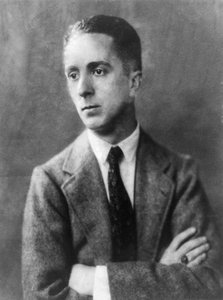
诺曼·洛克威尔
1894 - 1978 , 美国
艺术家简介
- Artistic Movement Or Style: 现实主义,插画
- Artists Who Influenced This Artist:
- 托马斯·福加蒂
- 乔治·布里奇曼
- 弗兰克·杜蒙德
- Date Of Birth: 1894年2月3日
- Date Of Death: 1978年11月8日
- Full Name: 诺曼·珀西瓦尔·洛克威尔
- Nationality: 美国国籍
- Notable Artworks (List Of Titles):
- 威利·吉利斯系列
- 罗斯女士铆工
- 四大自由
- 祈祷前
- 我们共同的问题
- Place Of Birth (City And Country): 美国纽约市
相关文章
美国区域主义运动:大萧条时期对民族认同与现实主义的艺术探索
深入探索美国区域主义运动,了解大萧条时期艺术家如何通过现实主义绘画表达民族认同与对美国梦的反思。OriginalUniqueArt提供高品质艺术品复制、定制服务及专业咨询。

Grant Wood & American Regionalism: Identity, Myth & the Rural Landscape
Explore the world of Grant Wood & American Regionalism with OriginalUniqueArt. Discover the symbolism behind 'American Gothic', recurring themes, and the movement's lasting impact on art history. High-quality reproductions available.

Norman Rockwell: Illuminating American Life Through Narrative Realism
Explore the life & art of Norman Rockwell, America's beloved illustrator. Discover his iconic paintings, social commentary, signature style, and enduring legacy. Learn about collecting Rockwell’s work at OriginalUniqueArt.
美国地域主义:身份认同的熔炉——场所、劳工与社会评论探索
深入探索美国地域主义艺术运动:格兰特·伍德、保罗·雷诺兹等大师作品解读,洞察大萧条时代的文化反思与社会现实。OriginalUniqueArt.com提供高品质油画复制及定制服务,助您收藏经典。

American Regionalism: The Soul of the Heartland and the Mastery of Grant Wood
Explore the profound history of American Regionalism. Discover how Grant Wood captured the heart of the Midwest through masterpieces like American Gothic. An expert guide to the movement, its cultural impact, and the enduring beauty of American Realism.