
 实景预览
实景预览
 分享
分享 分享
分享
 详情
详情 指南
指南

 下载作品
下载作品
 相似作品
相似作品 X射线
X射线 幻灯片播放
幻灯片播放 问答
问答 统计数据
统计数据Bear hunting

- 107.0 x 57.0 cm


 展开全文
展开全文
艺术微喷/版画
博物馆级艺术微喷或帆布版画,制作高效,并提供多种饰面选择。 ( 订购纯手工绘制画作 切换至数字图像销售渠道)




P118B ¥10

P118H ¥10

P118W ¥10

P438Z ¥10

P508JH ¥12

P508YH ¥12

P805H ¥10

P805Z ¥10

P919BZ ¥10

P919G ¥10

P919XJ ¥10

P959ZH ¥10

P968JZ ¥12

W106C ¥8

W218G ¥10

W218JH ¥8

W218Y ¥10

W307PJ ¥10

W316G ¥10

W316PJ ¥8

W316Y ¥10

W398PJ ¥8

W4111J ¥10

W500HY ¥15

W500JH ¥15

W692G ¥12

W849H ¥8

W940BG ¥15

W953PJ ¥8




您可以从与原作比例一致的预设尺寸中进行选择。

请输入您所需的宽度和高度,以适配您的画框或墙面。由于印刷品只能进行裁剪,无法超出原图尺寸,因此若比例不一致,画面的一部分将会被裁切。在正式印刷之前,我们会为您发送一份数字效果图供您确认。本页面显示的图片并非最终裁剪后的效果——只有效果图才能展示真实的裁剪情况。


 玻璃选项仅适用于110厘米以下的尺寸。

Bear hunting
艺术微喷/版画
复刻品尺寸
-


最终结算价
¥ 544
A Savage Symphony in Oilcloth: Niko Pirosmani’s “Bear Hunting”
Niko Pirosmani, a largely forgotten titan of Georgian art, possessed an extraordinary ability to distill the essence of rural life and primal emotion onto humble oilcloth canvases. His work, often dismissed as naive or primitive during his lifetime, now stands as a testament to raw honesty and a uniquely captivating vision. “Bear Hunting,” painted in the 1890s, is arguably Pirosmani’s most dramatic and compelling piece – a visceral depiction of a hunting expedition that transcends mere representation, plunging the viewer directly into the heart of Georgian wilderness and the brutal beauty of its traditions.
The scene unfolds within a dense, almost claustrophobic forest. A group of French chasseurs, clad in meticulously rendered uniforms of dark blue and brown, pursue a colossal bison – an animal rendered with astonishing power and scale. The composition is deliberately chaotic; figures are crammed together, limbs tangle, and the bison dominates the frame, its immense form dwarfing the hunters below. Pirosmani eschews traditional perspective, favoring instead a flattened, frontal approach that intensifies the drama and immediacy of the action. Lines are bold and directional, guiding the eye relentlessly across the canvas, mirroring the hunters’ desperate pursuit.
The Primitivist Palette: Color and Texture
Pirosmani's distinctive style is immediately recognizable through his masterful use of color and texture. He employs a restricted palette dominated by deep greens, earthy browns, and muted blues – colors that evoke the dampness and shadow of the forest floor. These somber tones are punctuated by flashes of brighter hues—the crimson of blood (implied), the ochre of the bison’s hide, and the occasional splash of yellow or white to highlight key figures. Crucially, Pirosmani worked on oilcloth, a readily available and inexpensive material in Georgia, which lends his paintings a unique tactile quality. The thick, impasto brushstrokes are visible throughout the composition, creating a palpable sense of physicality – you can almost feel the roughness of the bark beneath your fingers and the weight of the hunters’ clothing.
The technique itself is deliberately rough-hewn, reflecting Pirosmani's lack of formal training. He eschewed meticulous detail in favor of capturing the *feeling* of the scene – the tension, the urgency, the raw energy of the hunt. This approach aligns perfectly with the principles of Primitivism, a movement that sought to strip away academic conventions and return to a more direct, emotionally charged form of expression.
Symbolism of the Hunt: Power, Tradition, and Mortality
“Bear Hunting” is far more than just a depiction of a hunting scene; it’s laden with symbolic meaning. The hunt itself represents power, control, and the enduring traditions of Georgian rural life. For centuries, hunting had been a vital part of the region's economy and culture, providing sustenance and reinforcing social hierarchies. However, Pirosmani doesn’t glorify this activity. Instead, he presents it with a stark realism that acknowledges its inherent violence and potential for destruction.
The massive bison, a symbol of strength and wildness, embodies the forces of nature that the hunters seek to subdue. The implied bloodshed – hinted at through subtle color choices—underscores the cost of this conquest. Furthermore, Pirosmani’s unflinching portrayal of human figures engaged in such a brutal act raises questions about humanity's relationship with the natural world and the consequences of unchecked ambition. The painting subtly evokes themes of mortality and the fleeting nature of life, mirroring the precariousness of both hunter and hunted.
A Window into Georgian Soul: Pirosmani’s Legacy
Niko Pirosmani's work offers a rare glimpse into the soul of Georgia in the late 19th century. His paintings are not merely aesthetically pleasing; they are windows into a world of hardship, resilience, and profound connection to the land. Rediscovered in the mid-20th century, Pirosmani’s art has since gained international recognition as a cornerstone of Georgian primitivism and a powerful example of outsider art. Reproductions of “Bear Hunting” – available through OriginalUniqueArt – allow us to experience this extraordinary vision firsthand, inviting us to contemplate the enduring power of raw emotion and the timeless beauty of the Georgian landscape.
常见问题与解答
尼科·皮罗斯马尼 (Ní Kè · Pǐ Luó Sī Mǎ Ní) 的《Bear hunting》 的材质与尺寸是多少?
《Bear hunting》采用Oil On Canvas创作,原件尺寸为107 x 57 cm。
针对我的房间,"Bear hunting" 应该打印成什么尺寸?
针对 Living Room,建议将 尼科·皮罗斯马尼 (Ní Kè · Pǐ Luó Sī Mǎ Ní) 的《Bear hunting》 打印为 Large。
"Bear hunting" 与 尼科·皮罗斯马尼 (Ní Kè · Pǐ Luó Sī Mǎ Ní) 的其他作品有何共通之处?
"Bear hunting" 与 尼科·皮罗斯马尼 (Ní Kè · Pǐ Luó Sī Mǎ Ní) 的其他作品一样,都体现了 Primitivism 风格以及其一贯的主题:european realism influence, georgian rural life depiction, power & nature conflict, hunter's instincts shown, pirosmani's primitive style, iconic georgian portraiture, early 20th century vision, unique artistic voice。
艺术家简介
早年生活与艺术启蒙
尼科·皮罗斯马尼,这位伟大的格鲁吉亚原始主义画家,于1862年出生在卡赫季省米尔扎尼村。他的父母,阿斯兰·皮罗斯马尼什维利和泰克莱·托克利希维利,是拥有一家小葡萄园的农民。幼年丧失双亲,皮罗斯马尼由两位姐姐抚养长大。尽管生活贫困,他却在早期就展现出对绘画的热爱与天赋。早期的艺术启蒙经历并不明确,但可以推测,他对格鲁吉亚乡村生活的观察和记忆,为日后的创作奠定了基础。他并非接受过正规的学院派训练,而是凭借着敏锐的感知力和独特的视角,逐渐形成了自己鲜明的绘画风格。独特的艺术风格与主题
皮罗斯马尼的艺术风格以其朴素和原始主义而著称,常常描绘格鲁吉亚日常生活的场景。他的作品大多绘制在油布上,展现了他对构图的独特考量以及人物的前置布局。他热爱自然和乡村生活,很少将城市景观融入到自己的画作中。皮罗斯马尼的作品充满了浓郁的生活气息,他笔下的格鲁吉亚人民形象生动而真实,反映了当时社会底层民众的生活状态与精神面貌。他的绘画并非追求精湛的技巧或华丽的色彩,而是注重表达内心的情感和对现实生活的观察。这种独特的艺术风格,使其作品具有强烈的感染力和辨识度。重要作品与展览经历
皮罗斯马尼创作了许多令人难忘的作品,其中包括:- 手持酒壶的穆沙,这幅画作充分展现了他捕捉格鲁吉亚文化精髓的能力。
- 格鲁吉亚婚礼,生动地描绘了传统的格鲁吉亚婚礼仪式。
- 日达涅维奇肖像,这幅肖像画赢得了俄罗斯诗人米哈伊尔·列-丹秋的赞赏,以及基里尔·兹达内维奇和他的兄弟伊利亚·兹达内维奇的热烈支持。
遗产与身后声誉
皮罗斯马尼的一生充满了贫困,但他的身后声誉却十分显著。他的作品在各种展览中受到广泛赞扬,包括1918年举行的格鲁吉亚画家首次大型展览。如今,他的画作陈列于格鲁吉亚艺术博物馆和西格纳吉历史民族学博物馆,吸引了超过35万观众。皮罗斯马尼的作品不仅是格鲁吉亚艺术的瑰宝,也对20世纪的艺术发展产生了深远的影响。浏览尼科·皮罗斯马尼的作品 了解更多关于尼科·皮罗斯马尼的信息。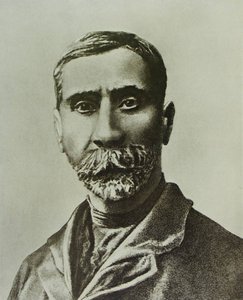
尼科·皮罗斯马尼 (Ní Kè · Pǐ Luó Sī Mǎ Ní)
1862 - 1918 , 格鲁吉亚
艺术家简介
- 代表作品:
- 穆沙与酒壶
- 格鲁吉亚婚礼
- 日达涅维奇肖像
- 出生地: 格鲁吉亚卡赫季省米尔扎尼村
- 出生日期: 1862年5月5日
- 国籍: 格鲁吉亚
- 姓名: 尼科·皮罗斯马什维利
- 影响此艺术家的艺术家: ['弗拉基米尔·拉多·古迪阿什维利']
- 艺术运动或风格: 原始主义艺术
- 逝世日期: 1918年4月9日
相关文章

The Enduring Legacy of Oil on Canvas: Technique, History & Aesthetic Impact
Explore the rich history & techniques of oil painting – from Renaissance masters to Impressionism. Discover pigments, layering methods, and why this timeless medium endures. Expert insights for artists & art enthusiasts.

The Enduring Power of Painting: A Historical & Contemporary Exploration of Form and Emotion
Explore the rich history & enduring techniques of oil painting with OriginalUniqueArt. Discover masterpieces, learn about art collecting, and find authentic handmade reproductions crafted by skilled artists.

Oil on Canvas: A Historical & Technical Exploration of a Timeless Artistic Medium
Explore the rich history & enduring techniques of oil painting on canvas. Discover the science behind its longevity, conservation practices, and contemporary relevance. Expert insights for art enthusiasts.
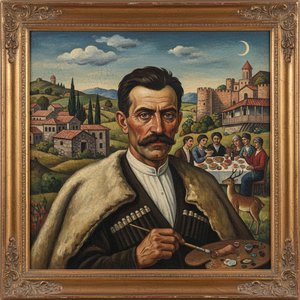
Niko Pirosmani: A Georgian Visionary – Life, Legacy, and the Poetics of Outsider Art
Discover the captivating life & art of Niko Pirosmani, Georgia’s celebrated primitivist painter. Explore his unique oilcloth paintings, lasting influence, and enduring legacy with OriginalUniqueArt.

画布上的流光溢彩:油画技法、历史沿革与当代实践
深入探索油画技法的历史沿革,从文艺复兴到卡拉瓦乔的革命性创新。了解多层涂布技术如何塑造色彩与光影,并洞悉当代油画实践中的传统与突破。OriginalUniqueArt为您提供专业的艺术品咨询和定制服务。
