
 效果预览
效果预览
 购买印刷品
购买印刷品 分享
分享 分享
分享
 详情
详情

 下载
下载
 相似作品
相似作品 X射线
X射线 幻灯片播放
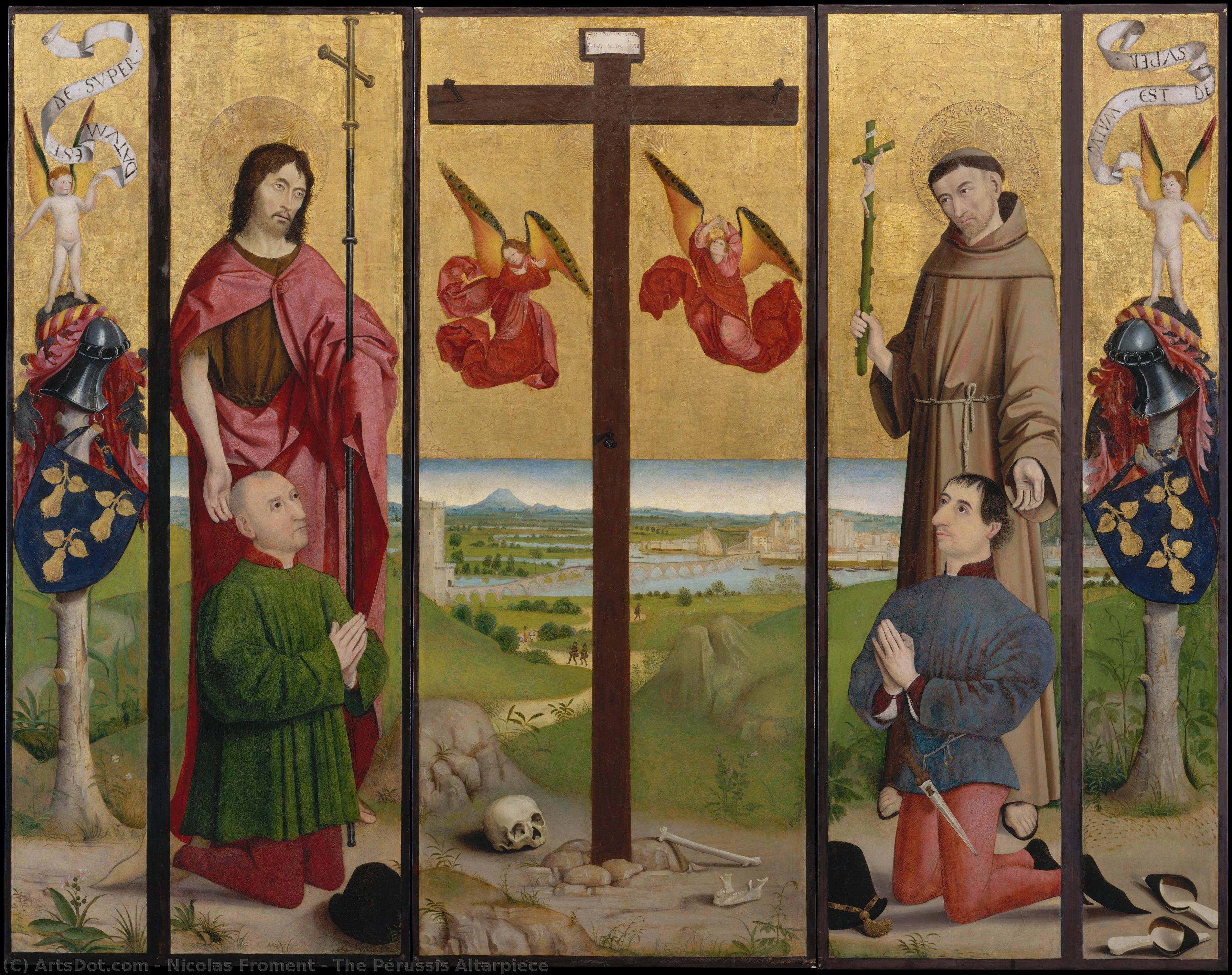
幻灯片播放The Pérussis Altarpiece
 Oil On Panel
- Early Renaissance
 1480
1480- Renaissance
 138.0 x 58.0 cm
 大都会艺术博物馆
 展开详情
展开详情
购买高分辨率增强版数字图像,其品质远超在线预览。
每一份文件都由我们的内部专家使用先进工具与专业的后期润色技术精心打造。我们确保每一张图像都具备卓越的清晰度、精准的色彩还原度以及细腻的细节表现。
最终文件将在 72 小时内通过电子邮件交付,并针对专业、编辑及印刷用途进行了优化。其品质与顶级设计工作室、出版社和画廊所信赖的标准完全一致。
每份数字图像订单均包含
专业数字图像交付,品质保障
选择 OriginalUniqueArt.com,您获得的不仅仅是一张图像——您收到的是经过专业级增强、精雕细琢的数字艺术作品,并享有满意保证。以下是您的订单中自动包含的所有内容:

邮件快速送达
您的高分辨率数字图像文件将在下单后 72 小时内通过电子邮件发送给您 —— 即可立即使用。

AI 增强型数字文件
您的艺术品经过专业优化,结合先进的 AI 技术与人工修饰,确保呈现极致的细节、清晰度与色彩准确度。

终身免费重发服务
不小心删除了文件或找不到了?没关系——我们将随时为您免费重发。

无需进口费用,始终如一
即刻拥有您的艺术作品,无需支付任何关税、税费或运费——数字下载始终免税。

色彩精准保证
我们通过专业工具与色彩管理技术,确保您的数字图像尽可能真实地还原原作色彩。

60天满意保证
如果您对所购买的数字图像不满意,我们将在60天内为您进行修改或退还100%的款项——无需任何解释。

100% 退款保证
如果不满意?在收到数字文件后的60天内,我们为您提供全额退款——无需任何理由。

批量订单优惠
购买 3 张图片可享 10% 折扣 - 购买 5 张可享 15% 折扣 - 购买 10+ 张可享 20% 折扣。非常适合创意项目、画廊和机构使用。
藏品详情
A Devotional Echo from Renaissance Provence
To gaze upon this magnificent altarpiece is to step directly into the charged atmosphere of late Quattrocento France. Dating to 1480, Nicolas Froment’s The Pérussis Altarpiece transcends mere religious depiction; it is a complex tapestry woven from profound spiritual devotion, burgeoning Renaissance naturalism, and the specific cultural anxieties of its time. The subject matter—the adoration of the empty cross on Golgatha—possesses an immediate, arresting power. It captures that pivotal moment of contemplation following sacrifice, inviting the viewer into a space where divine mystery meets human reverence.
Mastery in Transition: Style and Technique
Froment, operating within the vibrant crucible of the Second School of Avignon, stands as a fascinating bridge between the lingering elegance of Gothic tradition and the burgeoning realism whispered by Flemish influences. Technically, the work is breathtakingly detailed. Observe how the artist manages to combine the timeless, ethereal quality of the gold ground—a hallmark of earlier devotional art—with an astonishingly faithful topographical view of Avignon itself. This juxtaposition is revolutionary; it anchors the eternal narrative within a specific, tangible place. The composition unfolds across multiple planes, guiding the eye through scenes involving Christ on the cross, flanked by attendant angels in various positions, and culminating in the solemn figure kneeling before the divine drama.
Symbolism Woven into Sacred Space
The symbolism here is rich and multi-layered, inviting prolonged study. The presence of multiple crosses emphasizes the weight and significance of the Passion narrative. Furthermore, the inclusion of elements such as skulls and birds adds a layer of memento mori—a constant reminder of mortality set against the backdrop of eternal salvation. The kneeling donor figure, perhaps Aloisius himself, acts as a conduit for the viewer, compelling us to adopt his posture of prayer and contemplation. It is an intimate moment of personal piety framed by monumental religious art.
A Piece of History for the Modern Sanctuary
Originally commissioned for the Pérussis family, this altarpiece carries the weight of patronage and history within its very pigments. For those seeking to infuse a space—be it a private chapel, a grand hall, or a richly decorated interior—with the gravitas and artistry of the early French Renaissance, this work offers unparalleled depth. Owning a reproduction allows one to connect with the sophisticated blend of local Provençal identity and universal Christian narrative that defined life in 15th-century Avignon. It is not merely decoration; it is a profound meditation rendered visible.
艺术家简介
Nicolas Froment: A Flemish Echo in Early Renaissance Provence
Nicolas Froment (c. 1435 – c. 1486) stands as a pivotal figure within the Second School of Avignon, marking a crucial juncture between Gothic tradition and burgeoning Flemish naturalism in French art during the fifteenth century. Born in Uzès, France, Froment’s artistic trajectory coincided with an era profoundly impacted by papal patronage and the allure of Italian Renaissance ideals—a dynamic that fueled stylistic experimentation and ultimately cemented his place as one of Provence's most celebrated painters.- Early Life & Training: Precise biographical details surrounding Froment’s formative years remain elusive, contributing to ongoing scholarly debate regarding his artistic origins. However, evidence suggests he honed his skills in Paris under the tutelage of Jean Fouquet, a prominent Gothic artist whose influence undeniably shaped Froment's initial stylistic sensibilities.
- The Avignon School & Flemish Influence: Froment’s involvement with the Second School of Avignon—a collective striving to revitalize artistic expression amidst papal exile—was instrumental in introducing Flemish painting techniques into France. Artists like Rogier van der Weyden and Hugo van der Goes had revolutionized European art with their masterful depictions of realism, emotional intensity, and meticulous detail—principles that Froment skillfully adopted.
Notable Works & Artistic Style
Froment’s oeuvre is characterized by a distinctive blend of Gothic elegance and Flemish naturalism. He achieved considerable renown for his monumental altarpiece commissioned in Aix-en-Provence for Catherine Spifami, depicting the Passion of Christ and incorporating scenes from Mary Magdalene's life—a testament to the prevailing devotional fervor of the time. Particularly noteworthy is “The Burning Bush,” a panel painting housed at the Metropolitan Museum of Art in New York, showcasing Froment’s masterful command of color and texture. The composition captures the dramatic moment of Moses encountering God amidst flames, embodying profound spiritual symbolism.- "The Burning Bush" exemplifies Froment's ability to convey emotion through meticulous observation and skillful brushwork—a hallmark of Flemish painting.
- His retable des Pérussis, also located at the Metropolitan Museum of Art, further demonstrates his engagement with Flemish naturalism, presenting a vibrant portrayal of the adoration of the Holy Cross.
Legacy & Historical Significance
Despite challenges in definitively attributing numerous works to Froment—a common predicament faced by artists of his era—his contribution to French art history remains undeniable. He stands as a pivotal conduit for disseminating Flemish artistic innovations, propelling the Second School of Avignon toward a more expressive and realistic aesthetic. Furthermore, Froment’s work serves as an invaluable window into the cultural landscape of fifteenth-century Provence, reflecting both the enduring legacy of Gothic tradition and the transformative impact of Renaissance ideals—a synthesis that continues to inspire admiration among art historians and collectors alike.Further Exploration
For a deeper understanding of Nicolas Froment’s artistic achievements and his role in shaping French Renaissance art, consult resources such as:- Wikipedia:
- Britannica:
Nicolas Froment
1430 - 1484 , France
基本信息
- Artistic Movement Or Style: Early Renaissance; Flemish Style
- Artists Or Movements Influenced By This Artist: ['Italian Art']
- Artists Who Influenced This Artist: ['Flemish Artists']
- Date Of Birth: c. 1435
- Date Of Death: c. 1486
- Full Name: Nicolas Froment
- Nationality: French
- Notable Artworks:
- The Burning Bush
- Triptych of the Burning Bush
- Place Of Birth: Uzès, France

