

 实景预览
实景预览
 发送
发送 分享
分享
 详情
详情 指南
指南

 下载图片
下载图片
 相似作品
相似作品 X射线
X射线 幻灯片播放
幻灯片播放 统计数据
统计数据Landscape


 阅读全文
阅读全文
艺术微喷/版画
博物馆级艺术微喷或帆布版画,制作高效,并提供多种饰面选择。 ( 订购此收藏品的纯手工复刻画作 切换至数字图像销售渠道)




P118B ¥10

P118H ¥10

P118W ¥10

P438Z ¥10

P508JH ¥12

P508YH ¥12

P805H ¥10

P805Z ¥10

P919BZ ¥10

P919G ¥10

P919XJ ¥10

P959ZH ¥10

P968JZ ¥12

W106C ¥8

W218G ¥10

W218JH ¥8

W218Y ¥10

W307PJ ¥10

W316G ¥10

W316PJ ¥8

W316Y ¥10

W398PJ ¥8

W4111J ¥10

W500HY ¥15

W500JH ¥15

W692G ¥12

W849H ¥8

W940BG ¥15

W953PJ ¥8




您可以从与原作比例一致的预设尺寸中进行选择。

请输入您所需的宽度和高度,以适配您的画框或墙面。由于印刷品只能进行裁剪,无法超出原图尺寸,因此若比例不一致,画面的一部分将会被裁切。在正式印刷之前,我们会为您发送一份数字效果图供您确认。本页面显示的图片并非最终裁剪后的效果——只有效果图才能展示真实的裁剪情况。


 玻璃选项仅适用于110厘米以下的尺寸。

Landscape
艺术微喷/版画
复刻品尺寸说明
-


总计金额
¥ 537
Nicolas de Largillière’s “Landscape”: A Symphony of Light and Tranquility
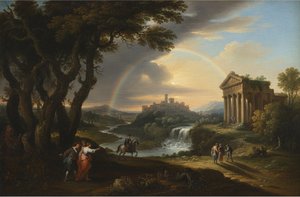
The world of 17th-century French portraiture is often associated with opulent formality, yet within this tradition flourished a remarkable vein of serene landscapes – paintings that offered a respite from the constraints of courtly life. Nicolas de Largillière’s “Landscape,” painted around 1680, stands as a prime example of this quieter, more contemplative style, capturing not just a visual scene but also an atmosphere of profound peace and timeless beauty. It's a work that invites the viewer to step into its verdant depths and lose themselves in the gentle rhythms of nature.
Largillière’s approach diverges significantly from the dramatic, theatrical landscapes favored by some contemporaries. Instead, he presents a scene imbued with an understated elegance, prioritizing subtle details and a masterful manipulation of light. The composition is carefully balanced, drawing the eye through a winding path that leads into the heart of a densely wooded area. The foreground, dominated by a modest track, establishes a sense of intimacy, while the middle ground reveals a tapestry of trees – oaks, birches, and pines – rendered with meticulous attention to texture and form. The background fades gently into a hazy distance, suggesting an expansive horizon without overwhelming the viewer.
A Masterclass in Light and Shadow
What truly elevates “Landscape” is Largillière’s extraordinary command of light. He doesn't employ harsh contrasts or dramatic highlights; rather, he utilizes a diffused, almost ethereal illumination that permeates the entire scene. Sunlight filters through the canopy, casting dappled patterns on the forest floor and creating an interplay of light and shadow that breathes life into every leaf and branch. This delicate handling of chiaroscuro – the contrast between light and dark – is not merely decorative; it’s fundamental to the painting's emotional impact, lending a sense of depth, volume, and realism to the landscape.
The artist’s technique is remarkably refined. Largillière employs a loose, expressive brushstroke, particularly in depicting the foliage, which appears almost luminous. He builds up layers of color with subtle gradations, creating a rich tapestry of greens, browns, and yellows that evoke the changing seasons. The trees themselves are not sharply defined but rather suggested through carefully placed dabs of paint, conveying their form and texture without resorting to overly detailed rendering. This approach aligns perfectly with the prevailing Baroque aesthetic, prioritizing atmosphere and feeling over strict realism.
Symbolism and a Moment of Reflection
While Largillière’s landscapes are often characterized by their serene beauty, they also carry subtle symbolic weight. The winding path invites contemplation and suggests a journey – perhaps not just through the physical landscape but also through life itself. The dense forest can be interpreted as representing the complexities of nature, while the open spaces symbolize freedom and possibility. The painting’s overall mood is one of quiet reflection, encouraging the viewer to pause and appreciate the simple pleasures of the natural world.
Considering Largillière's background in portraiture, it’s intriguing to note how he translated his skills of capturing likeness and personality into this genre. The landscape isn’t merely a backdrop; it feels inhabited, imbued with a sense of stillness and tranquility that mirrors the contemplative nature of portraiture. The painting subtly evokes a feeling of escape – a momentary retreat from the pressures of daily life.
A Timeless Appeal
“Landscape” by Nicolas de Largillière is more than just a beautiful depiction of a forest scene; it’s a testament to the artist's skill, sensitivity, and profound understanding of light and atmosphere. Its enduring appeal lies in its ability to transport the viewer to a place of peace and tranquility, reminding us of the restorative power of nature. Reproductions of this remarkable work offer a chance to bring this serene vision into any space, fostering a sense of calm and contemplation – a valuable addition to any collection or interior design.
问答详情
贯穿于尼古拉·德·拉吉里耶尔 的《Landscape》中的主导色调是什么?
Amber to Saffron 色调贯穿了 尼古拉·德·拉吉里耶尔 的《Landscape》。
在尼古拉·德·拉吉里耶尔的创作生涯中,"Landscape"处于怎样的地位?
"Landscape" 与 尼古拉·德·拉吉里耶尔 的其他作品一样,都体现了 Baroque Portraiture 风格以及其一贯的主题:flemish landscape tradition, french courtly portraiture, baroque light and shadow, genre scenes, everyday life, refined elegance, social status。
"Landscape" 的主题与 尼古拉·德·拉吉里耶尔 常有的创作主题有何关联?
尼古拉·德·拉吉里耶尔 的创作主题常涉及 flemish landscape tradition, french courtly portraiture, baroque light and shadow, genre scenes, everyday life, refined elegance, social status;而《Landscape》则聚焦于 landscape, forest, path, trees, sky, tranquility, composition。
艺术家简介
肖像画中的巴黎人生
尼古拉·德·拉吉里耶(Nicolas de Largillière)这个名字,早已与法国巴洛克肖像画的优雅与精致紧密相连。1656年,他出生于巴黎一个繁忙的商业家庭。当尼古拉年仅三岁时,他的父亲——一位制帽匠人——便带着全家迁往安特卫普,这次关键性的迁徙深刻地塑造了他此后的艺术轨迹。安特卫普作为佛兰德绘画的核心地带,其充满活力的艺术氛围为他早期的艺术探索奠定了基础,使他得以接触到丰富的传统与技艺,并最终融入他那独树一帜的个人风格之中。尽管最初的命运似乎指向了商业之路,但拉吉里耶天生的艺术倾向却引领他远离了家族生意,转而投身于捕捉周遭人物神韵的艺术生涯。在伦敦的一段短暂旅程后,他在多位名家指导下汲取了肖像画的精髓,随后回到安特卫普并跟随安东·古鲍(Anton Goubau)进行过短暂的学习。然而,真正奠定他艺术根基的是在温莎随彼得·莱利爵士(Sir Peter Lely)进行的为期四年的学徒生涯,这段经历赋予了他对细节近乎苛求的关注力,以及对材质纹理精湛的刻画能力,这些特质后来成为了他作品中无可取代的标志。随着雷豪斯阴谋引发的政治动荡,拉吉里耶最终重返巴黎,这一举动不仅定义了他的职业生涯,更让他确立了作为那个时代顶尖肖像画家之一的地位。在巴黎艺术界的崛起
回到巴黎后,拉吉里耶迅速成为了一名备受追捧的艺术家,吸引了贵族阶层与新兴商人阶层的共同赞助。他不仅能捕捉人物的外貌特征,更能传达其内在性格与社会地位,这种能力对于那些渴望通过艺术实现永恒化的人们来说,具有巨大的魅力。詹姆斯二世国王曾短暂召他回英国,这为他创作皇家肖像提供了绝佳机会——包括詹姆斯二世本人、摩德纳的玛丽王后以及威尔士亲王在内的多幅杰作,极大地提升了他在欧洲宫廷间的声望。然而,1686年被正式接纳进入享有盛誉的法国皇家学院,才是他真正稳固巴黎艺术界地位的关键时刻。这一成就绝非仅仅是一项荣誉,它象征着主流艺术精英的认可,并为他开启了获得大量委约与赞助的大门。尽管当时学院官方将其归类为历史画家——这在当时是一种常见的做法——但拉吉理耶真正的热情在于肖像画,他在捕捉模特神韵方面表现得游刃有余。无论是对阿拉斯总督皮埃尔·德·蒙泰斯丘的描绘,还是对其他显赫人物的刻画,都展现了他不仅能传递形似,更能传达出一种人格魅力与威严感的能力。他更以高超的群像构图技巧闻名,例如1709年的《皇家家族肖像》,画面中路易十四与文塔杜尔夫人及其孙辈同框,这件宏伟的作品充分展示了他对构图的掌控力,以及在和谐统一的整体中捕捉个体独特个性的大师风范。风格与技法的精湛造诣
拉吉里耶的艺术风格以写实、优雅与细致入微的细节处理为特征,呈现出一种极其考究的美感。他拥有卓越的光影操控能力,通过明暗对比营造出深邃的空间感与立体感,使画布上的主体仿佛具有了鲜活的生命力。他的构图往往结构严谨,既体现了文艺复兴时期的沉稳感,又融入了巴洛克时期的动感。在职业生涯后期,他形成了一种极具辨识度的标志性姿态——模特常以手指微张、隐约夹着一封信件,或是倚靠在多里克柱旁的姿态出现。这种看似程式化的手法,实则让他能够更专注地去雕琢表情的细微变化以及服饰与装饰品的复杂纹理。波兰国王奥古斯特二世、雅克-安托万·阿洛以及尼古拉·库斯通的肖像画,均体现了其艺术发展的成熟阶段。他并非仅仅是在记录外貌,而是在挖掘性格,在传递地位,并为后世留存人物的灵魂。他对织物质感、珠宝光泽以及面部细微表情的执着追求,揭示了一位深耕于艺术之中的匠人精神。传承与持久的影响力
尼古拉·德·拉吉里耶留下了丰硕的艺术遗产,为研究18世纪法国社会提供了极其珍贵的视角。他的肖像画不仅仅是审美对象,更是历史文献,让我们得以窥见那个时代的日常生活、时尚潮流与社会等级制度。他培养了多位杰出的艺术家,包括让-巴蒂斯特·乌德里(Jean-Baptiste Oudry)和雅各布·范·舒彭(Jacob van Schuppen),他们继承了他的艺术衣钵,并为后来繁荣的洛可可运动做出了贡献。拉吉里耶的影响力早已超越了他的亲传弟子;他在塑造法国肖像画的发展进程中扮演了核心角色,将其技术水平与艺术表现力提升到了新的高度。时至今日,他的作品被收藏于世界各地的顶级博物馆之中——从牛津大学的阿什莫林博物馆、巴黎的卢浮宫,到华盛顿的国家美术馆以及里斯本的卡洛斯·伯伦会博物馆——确保了他的艺术魅力能够跨越世代,持续引发共鸣。他始终是肖像画力量的见证者:这种力量不仅在于捕捉形貌,更在于捕捉一个时代的灵魂。永恒的印记
拉吉里耶的成功并非仅仅源于技术上的精湛,更源于他与模特之间建立的情感连接,以及将人物个性转化为画布语言的能力。他深谙肖像画作为自我呈现工具的力量,能够让个体通过画面投射出财富、地位与教养的形象。他的绘画作品不仅仅是肖像,更是某种宣言。他对艺术事业的奉献使他在一生中赢得了无数赞誉,包括1743年被任命为学院院长,这足以证明他在艺术界深远的影响力。即便步入耄耋之年,拉吉里耶依然保持着创作的热情与技艺,留下的精神财富至今仍能激励艺术家并打动观众。他的作品如同一扇通往旧时代的窗户,让我们得以一窥塑造了18世纪法国的人物生活,并确立了他作为那个时代最重要肖像画家之一的崇高地位。他是一位大师,捕捉的不只是人们的外貌,更是他们的本质。
尼古拉·德·拉吉里耶尔
1656 - 1746 , 法国
快速概览
- Artistic Movement Or Style: 巴洛克, 洛可可
- Artists Or Movements Influenced By This Artist:
- 让-巴蒂斯特·乌德里
- 雅各布·范·舒彭
- 洛可可运动
- Artists Who Influenced This Artist:
- 彼得·雷利
- 安东·古鲍
- 鲁本斯
- 凡·戴克
- Date Of Birth: 1656年
- Date Of Death: 1746年
- Full Name: 尼古拉·德·拉吉利埃尔
- Nationality: 法国
- Notable Artworks:
- 自画像 (1707)
- 皇家家族肖像
- 蒙托修耶肖像
- 学生肖像
- Place Of Birth: 法国巴黎
相关文章
Shadow, Light, and Spectacle: The Dramatic Evolution of Baroque Landscape Painting
Explore the breathtaking drama of Baroque landscapes. Our expert guide delves into the interplay of light and shadow in 17th-century masterpieces. Discover art history and find museum-quality, hand-painted oil reproductions to bring classical grandeur to your home.

Drama in Nature: The Captivating Grandeur of Baroque Landscapes and the Art of Emotional Spectacle
Explore the breathtaking drama of Baroque landscapes. From Rubens's grand vistas to the mastery of chiaroscuro, discover how 17th-century artists transformed nature into a theatrical stage of emotion and light. A deep dive for true art enthusiasts.

Nature’s Sanctuary: Curating Enchanting Forest Artworks to Transform Your Home into a Serene Woodland Retreat
Transform your home into a serene woodland retreat with enchanting forest artworks. Discover museum-quality oil reproductions and custom landscape commissions designed to bring the peaceful beauty of nature indoors.

康斯塔布尔大师之作:25幅传世风景画赏析 | OriginalUniqueArt
探索康斯塔布尔的25幅传世杰作!沉浸于英国田园风光,感受浪漫主义绘画大师的光影与色彩。高清油画复制、艺术品购买尽在OriginalUniqueArt.com,为您的家居增添经典之美。立即在线探索完整系列!
Epic Drama & Dark Vibes: The Ultimate Collector's Guide to Baroque Landscapes
Master the art of drama with our ultimate guide to Baroque landscapes. Discover the power of chiaroscuro, explore legendary masters, and learn how to curate epic, dark-vibe masterpieces for your collection with expert insights from OriginalUniqueArt.