
 效果预览
效果预览
 购买印刷品
购买印刷品 分享
分享 分享
分享
 详情
详情

 下载
下载
 相似作品
相似作品 X射线
X射线 幻灯片播放
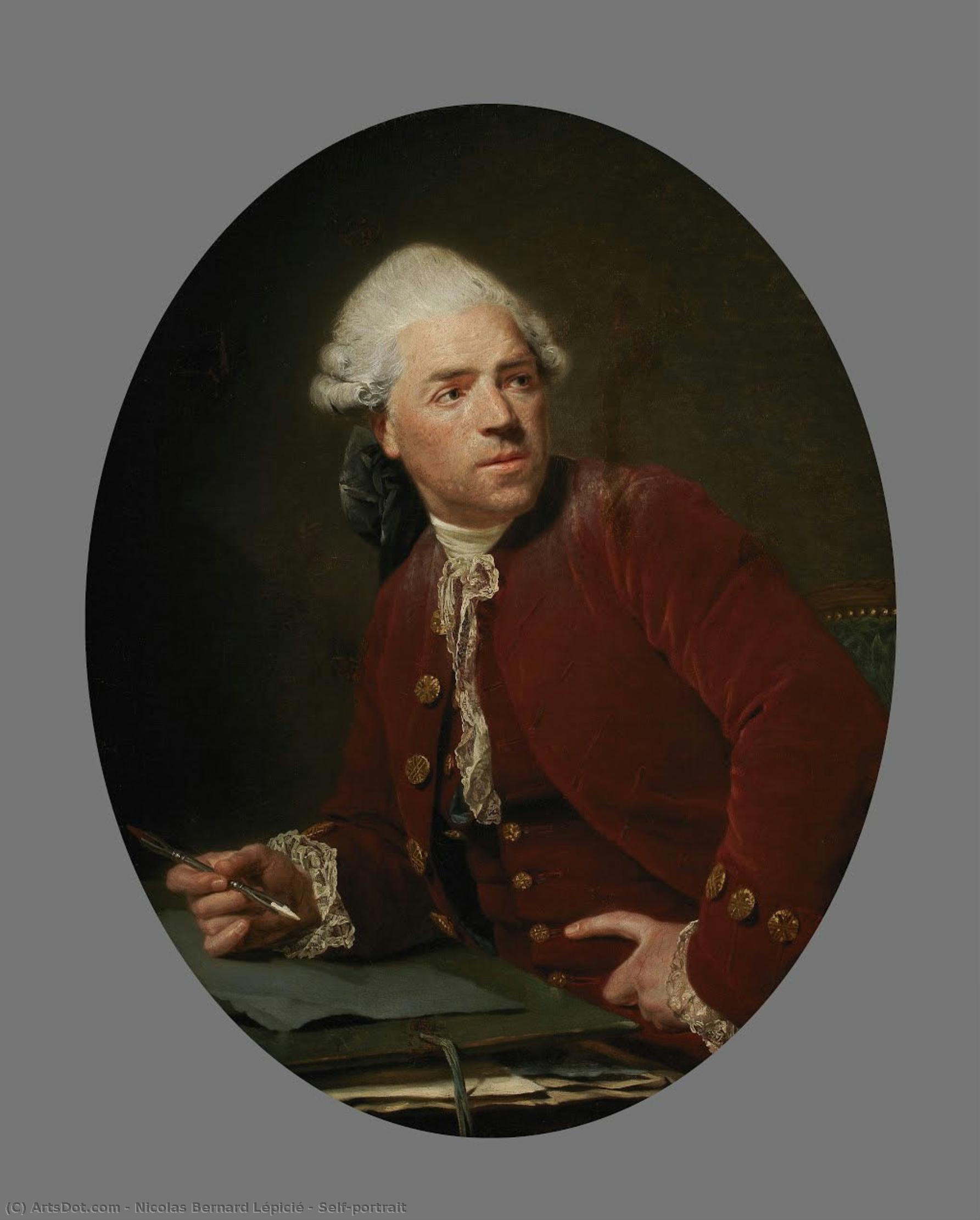
幻灯片播放Self-portrait
 Acrylic On Canvas
- WallArt
- Rococo
 1777
1777 90.0 x 71.0 cm
 卡罗斯·古尔本基亚博物馆
 展开详情
展开详情
购买高分辨率增强版数字图像,其品质远超在线预览。
每一份文件都由我们的内部专家使用先进工具与专业的后期润色技术精心打造。我们确保每一张图像都具备卓越的清晰度、精准的色彩还原度以及细腻的细节表现。
最终文件将在 72 小时内通过电子邮件交付,并针对专业、编辑及印刷用途进行了优化。其品质与顶级设计工作室、出版社和画廊所信赖的标准完全一致。
每份数字图像订单均包含
专业数字图像交付,品质保障
选择 OriginalUniqueArt.com,您获得的不仅仅是一张图像——您收到的是经过专业级增强、精雕细琢的数字艺术作品,并享有满意保证。以下是您的订单中自动包含的所有内容:

邮件快速送达
您的高分辨率数字图像文件将在下单后 72 小时内通过电子邮件发送给您 —— 即可立即使用。

AI 增强型数字文件
您的艺术品经过专业优化,结合先进的 AI 技术与人工修饰,确保呈现极致的细节、清晰度与色彩准确度。

终身免费重发服务
不小心删除了文件或找不到了?没关系——我们将随时为您免费重发。

无需进口费用,始终如一
即刻拥有您的艺术作品,无需支付任何关税、税费或运费——数字下载始终免税。

色彩精准保证
我们通过专业工具与色彩管理技术,确保您的数字图像尽可能真实地还原原作色彩。

60天满意保证
如果您对所购买的数字图像不满意,我们将在60天内为您进行修改或退还100%的款项——无需任何解释。

100% 退款保证
如果不满意?在收到数字文件后的60天内,我们为您提供全额退款——无需任何理由。

批量订单优惠
购买 3 张图片可享 10% 折扣 - 购买 5 张可享 15% 折扣 - 购买 10+ 张可享 20% 折扣。非常适合创意项目、画廊和机构使用。
藏品详情
A Portrait of Refinement: Exploring Nicolas Bernard Lépicié’s Self-Portrait
The canvas holds a quiet dignity – a self-portrait by Nicolas Bernard Lépicié, completed in 1777 and exhibited at the prestigious Paris Salon. More than just a likeness, this painting embodies the spirit of Rococo elegance while subtly hinting at the stylistic shifts that would soon dominate European art history. Examining its details reveals not only artistic mastery but also a glimpse into the social milieu of Louis XV’s France – a world obsessed with beauty, ornamentation, and carefully cultivated appearances.Style and Technique: The Delicate Touch of Rococo
Lépicié's approach aligns perfectly with the prevailing aesthetic sensibilities of his time. Characteristic of the Rococo movement, the portrait eschews dramatic poses or forceful expressions in favor of an understated composure. The artist employs a soft brushstroke technique, layering translucent glazes to achieve a luminous quality that captures the subtle nuances of light and shadow. This meticulous attention to detail is evident in the rendering of fabrics – particularly the opulent crimson robe adorned with delicate lace – demonstrating Lépicié’s command of color and texture. The muted palette contributes to an overall atmosphere of serenity, reflecting the Rococo's preoccupation with idealized beauty and sensual pleasure.Historical Context: Versailles and Societal Expectations
The Salon of 1777 served as a cornerstone of artistic patronage and social prestige in France. Artists like Lépicié sought recognition from the royal court and influential members of Parisian society, striving to portray themselves – and often their families – within the framework of aristocratic ideals. The portrait speaks volumes about the values held dear during this era: intellectual pursuits were valued alongside refined manners and a cultivated taste for art. Furthermore, the inclusion of the quill pen symbolizes Lépicié’s engagement in scholarly endeavors—a deliberate gesture intended to elevate his status and convey an image of cultured sophistication.Symbolism Within the Composition
Beyond its technical brilliance, the self-portrait is laden with symbolic significance. The wig, a fashionable accessory for men during the period, represents social ambition and adherence to established conventions. Its placement atop Lépicié’s head underscores the importance of outward appearance in conveying status and respectability. Similarly, the crimson robe – a color associated with royalty and passion – symbolizes pride and confidence. However, it is perhaps the gaze directed at the viewer that holds particular interest. This directness conveys an air of self-assurance and invites contemplation about the artist’s inner life—a subtle challenge to traditional portraiture conventions that prioritized idealized representations over honest introspection.Emotional Impact: A Moment Frozen in Time
Despite its formal restraint, Lépicié's self-portrait possesses a palpable emotional resonance. The artist’s gaze conveys a quiet thoughtfulness, suggesting an awareness of his own identity and place within the broader context of his time. The painting captures not merely physical likeness but also something deeper – a sense of inner dignity and intellectual curiosity. It invites viewers to consider the complexities of human experience and appreciate the beauty found in understated elegance. Like many masterpieces of its era, Lépicié’s portrait transcends mere visual representation, offering a poignant glimpse into the soul of an artist striving for recognition within a society obsessed with appearances.艺术家简介
画笔中的生命:尼古拉·伯纳德·莱皮西耶的世界
尼古拉·伯纳德·莱皮西耶于1735年出生于一个深谙雕刻艺术的巴黎家庭,在他的人生中,成为了十八世纪法国绘画演变格局中一股重要的声音。他的生平恰逢一个艺术过渡的时期,他逐渐摆脱了巴洛克式的宏大气派,拥抱了洛可可精致的私密感,同时也预示了即将到来的新古典主义时代所定义的清晰与形式美。尽管如今他的名声或许不及夏尔丹或弗拉戈纳等同时代人那样广为人知,但莱皮西耶的作品为我们提供了一扇引人入胜的窗口,让我们得以窥见前革命法国的社会习俗和日常生活场景,作品中洋溢着一种持续能引起观者共鸣的细腻情感与精湛技艺。他的父亲弗朗索瓦-伯纳德·莱皮西耶是一位受人尊敬的雕刻家和历史记录者,而他的母亲雷内-伊丽莎白·马里耶也从事雕刻工作——这为年幼的尼古拉提供了早期接触视觉艺术的熏陶。这份家族背景无疑塑造了他的艺术轨迹,尽管最终他还是开辟了自己作为画家的独特道路。艺术发展与影响
莱皮西耶的艺术旅程始于接受当时著名人物卡尔·凡卢(Carle Van Loo)的教导,并迅速展现出对历史题材和肖像画的双重天赋。然而,真正令他脱颖而出的是田园风俗画——描绘日常生活的场景。他的风格以其细腻的笔触、对细节的一丝不苟的关注,以及温暖而写实的色调为特征。他拥有捕捉寻常瞬间细微差别的非凡能力,让他的画布洋溢着一种宁静的亲密感和心理深度。让-巴蒂斯特-西梅昂·夏尔丹(Jean-Baptiste-Siméon Chardin)的影响在莱皮西耶的作品中显而易见;两位艺术家都热衷于以尊严和优雅的方式描绘平凡的主题。然而,莱皮西耶并非一个单纯的模仿者。他还展现出对弗拉戈纳作品中那种更具玩味性的洛可可情趣的了解,但他用日益增强的清晰度和形式感来平衡这些影响——这暗示着很快将主导法国艺术的新古典主义美学。在其整个职业生涯中,他经常以卡尔·韦尔内(Carle Vernet)作为模特,突显了十八世纪艺术圈内工作室实践和协作学习的重要性。主要作品与认可
莱皮西耶的创作范围涵盖了多种题材,但有些作品尤其彰显了他高超的技艺和独特的视野。《勒鲁瓦家族肖像》(1766年)便是例证,它展示了他卓越的肖像画天赋,不仅捕捉了家族成员的外貌,更以惊人的敏感度描绘了他们各自的个性与彼此间的联结。他的神话场景,如《阿多尼斯变作虞美人》(约1768年)和《海马座》(1771年),则证明了他能以精湛的技术驾驭复杂的构图和寓言主题。然而,或许最受今日喜爱的是他的风俗画。《法尚的苏醒》(1773年)描绘了一个初醒的少女,尤其因其对光线和质感的细腻渲染而备受赞誉,营造出一种温柔的亲密氛围。《海关内部》(1775年)则为我们提供了一窥该时期法国社会运作的迷人视角,提供了超越艺术作品中常见贵族圈层的日常生活见解。他职业生涯中的一个重要里程碑发生在1777年,当他被接纳进入皇家美术学院时,巩固了他在巴黎艺术界受人尊敬的艺术家地位。遗产与历史意义
尼古拉·伯纳德·莱皮西耶对法国艺术的贡献,不仅在于其画作的美丽和精湛技艺,更在于它们能够提供对十八世纪生活细致入微的描绘。他对家庭生活和亲密感的关注,反映了该时期资产阶级价值观日益增长的兴趣,这为常常主导沙龙展览的宏大历史与神话叙事提供了一个重要的对照视角。他于1784年逝世,恰逢法国大革命那场剧变即将不可逆转地改变法国艺术和社会的进程。尽管如今他的名字可能不如一些更著名的同时代人那样广为人知,但莱皮西耶的作品因其敏感性、技术上的精湛以及对一个逝去时代的唤醒描绘而持续受到赞赏。他的画作充当了宝贵的历史文献,为我们提供了了解前革命法国普通民众的物质文化、社会习俗和情感生活的深刻洞察。- 他的作品收藏于卢浮宫和蒂森-博内米萨博物馆等各大博物馆。
- 他教导了几位后世塑造新古典主义运动的重要艺术家。

尼古拉·伯纳德·莱皮西埃
1735 - 1784 , 法国
基本信息
- Artistic Movement Or Style: 洛可可,新古典主义
- Artists Or Movements Influenced By This Artist:
- 维尔内
- 雷纳
- 丹卢
- Artists Who Influenced This Artist:
- 夏尔丹
- 弗拉戈纳尔
- 卡尔·凡卢
- Date Of Birth: 1735年
- Date Of Death: 1784年
- Full Name: 尼古拉·伯纳德·莱皮西埃
- Nationality: 法国
- Notable Artworks:
- 勒鲁瓦家族肖像
- 阿多尼斯变作海葵
- 纳西斯
- 芳松的苏醒
- 仓库内部
- Place Of Birth: 巴黎, 法国

