

 实景预览
实景预览
 发送
发送 分享
分享
 详情
详情 指南
指南

 下载图片
下载图片
 相似作品
相似作品 X射线
X射线 幻灯片播放
幻灯片播放 统计数据
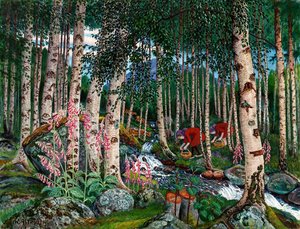
统计数据Gethsemane
 Oil On Board
- Neo-Romanticism
 1926
1926- Modern
 42.0 x 32.0 cm
 Bergen Kunstmuseum
 阅读全文
阅读全文
艺术微喷/版画
博物馆级艺术微喷或帆布版画,制作高效,并提供多种饰面选择。 ( 订购此收藏品的纯手工复刻画作 切换至数字图像销售渠道)




P118B ¥10

P118H ¥10

P118W ¥10

P438Z ¥10

P508JH ¥12

P508YH ¥12

P805H ¥10

P805Z ¥10

P919BZ ¥10

P919G ¥10

P919XJ ¥10

P959ZH ¥10

P968JZ ¥12

W106C ¥8

W218G ¥10

W218JH ¥8

W218Y ¥10

W307PJ ¥10

W316G ¥10

W316PJ ¥8

W316Y ¥10

W398PJ ¥8

W4111J ¥10

W500HY ¥15

W500JH ¥15

W692G ¥12

W849H ¥8

W940BG ¥15

W953PJ ¥8




您可以从与原作比例一致的预设尺寸中进行选择。

请输入您所需的宽度和高度,以适配您的画框或墙面。由于印刷品只能进行裁剪,无法超出原图尺寸,因此若比例不一致,画面的一部分将会被裁切。在正式印刷之前,我们会为您发送一份数字效果图供您确认。本页面显示的图片并非最终裁剪后的效果——只有效果图才能展示真实的裁剪情况。


 玻璃选项仅适用于110厘米以下的尺寸。

Gethsemane
艺术微喷/版画
复刻品尺寸说明
-


总计金额
¥ 537
A Visionary Encounter in the Norwegian Garden
In the quiet, evocative depths of Nikolai Astrup’s 1926 masterpiece, Gethsemane, the boundaries between biblical history and the intimate landscapes of Norway begin to dissolve. While the title refers to the sacred garden in Jerusalem where Christ faced his darkest hour, Astrup performs a profound act of artistic localization. He transports this monumental moment of spiritual agony into the familiar, lush surroundings of the parsonage garden in Ålhus. This is not merely a religious illustration; it is a dreamlike fusion of the divine and the terrestrial. The viewer is invited into a space where the heavy atmosphere of the crucifixion narrative meets the verdant, mystical textures of the West Norwegian landscape, creating a scene that feels both ancient and deeply personal.
The composition breathes with a sense of quiet drama, capturing a moment of profound transition. As the eye wanders through the painting, one encounters a scene that oscillates between a somber historical event and a visionary hallucination. The presence of figures—some appearing caught in the weight of the narrative, others seemingly lost in a trance-like state—suggests a world where the veil between reality and the supernatural is perilously thin. This sense of mystery is heightened by the scattered birds that drift through the sky and perch upon the landscape, acting as silent witnesses to the unfolding drama. For the collector or designer, this piece offers more than just a subject; it offers an atmosphere of contemplative depth that can anchor a room with its soulful, introspective energy.
Technique and the Language of Light
Astrup’s technical mastery is evident in his use of oil on cardboard, a medium that allows for a rich, concentrated application of pigment. His style, rooted in Neo-Romanticism, eschews clinical realism in favor of an intense, emotive color palette. The textures are tactile and layered, reflecting the artist's lifelong obsession with the "visual language" of his homeland. He employs light not just to illuminate form, but to evoke mood; the shadows are deep and heavy, yet they are pierced by a spectral luminosity that suggests the presence of a divine vision. This interplay of light and shadow creates a rhythmic movement across the canvas, guiding the viewer through the dense foliage and toward the heart of the spiritual struggle.
The brushwork possesses a certain raw, organic vitality that mirrors the ruggedness of the Norwegian fjords. There is no sterile perfection here; instead, there is a deliberate, expressive quality that celebrates the natural world's untamed spirit. For those seeking to incorporate fine art into a sophisticated interior, a high-quality reproduction of Gethsemane provides a centerpiece of immense character. The painting’s ability to command attention through its complex textures and brooding tones makes it an ideal choice for spaces designed for reflection, such as libraries, study alcoves, or quiet sitting rooms where the interplay of history and nature can be fully appreciated.
A Legacy of Spiritual and National Identity
To understand Gethsemane is to understand Nikolai Astrup’s broader mission: to capture the very soul of Norway. By situating a universal Christian narrative within his own local topography, he elevates the Norwegian landscape to a stage for the eternal. This technique of "sacralizing" the everyday—turning a simple garden patch into a site of cosmic significance—is what makes his work so enduringly powerful. The painting serves as a bridge between the theological and the topographical, making the profound accessible through the familiar.
For the discerning art lover, owning a reproduction of this work is an opportunity to possess a fragment of this visionary legacy. It is a piece that invites continuous re-examination, revealing new layers of symbolism and emotion with every viewing. Whether one is drawn to its historical weight, its masterful use of color, or its ability to evoke the misty, magical atmosphere of a Norwegian night, Gethsemane remains a breathtaking testament to the power of art to transform the world we see into a world we feel.
问答详情
尼古拉·阿斯特鲁普 的作品《Gethsemane》是否属于公有领域?原因是什么?
"Gethsemane" 的版权状态 —— 属于公有领域 —— 其版权已过期 —— 取决于艺术家于 1928 年逝世这一事实。
尼古拉·阿斯特鲁普 的《Gethsemane》 中描绘了哪些主题?
尼古拉·阿斯特鲁普 的《Gethsemane》 描绘了:biblical scene, religious, jesus christ, gethsemane, norway landscape, night scene, visionary。
“Gethsemane”在艺术史上处于怎样的地位?
从历史上看,"Gethsemane" 是广义上 Modern 时期的 Neo-Romanticism 时期作品。
艺术家简介
尼古拉·阿斯特鲁普:西挪威的远见之魂
尼古拉·阿斯特鲁普(Nikolai Astrup,1880 – 1928)是挪威艺术史上一个独一无二的存在。作为一位画家,他与西挪威(Vestlandet)壮丽景观及传统文化的深厚情感纽带,奠定了他作为那个时代最杰出的新浪漫主义艺术家之一的地位。阿斯特鲁普出生于索格恩与菲尤拉内郡的布雷曼格,在崎岖的峡湾与宁静的山谷中度过的童年,深刻地塑造了他的艺术感知力,驱使他走向一种以浓郁色彩和对挪威乡村日常生活不懈描绘为特征的独特风格。他的艺术遗产不仅在于那些美学上令人愉悦的画布,更在于他开创性的尝试——试图捕捉一种能够唤起故乡传统与民俗的“民族视觉语言”。- 早年生活与教育:阿斯特鲁普的成长岁月充满了父亲克里斯蒂安·阿斯特鲁普所灌输的虔诚信仰,这位教区牧师曾鼓励他投身神学研究。尽管最初有着走向圣职的倾向,但阿斯特鲁普对绘画的热爱最终促使他离开了特隆赫姆大教堂学校,转而前往克里斯蒂安尼亚(今奥斯陆)追求艺术事业,并在哈丽特·巴克(Harriet Backer)的悉心指导下磨炼技艺。
- 巴黎的影响:在巴黎的一段短暂时光让阿斯特鲁普接触到了当时蓬勃发展的先锋派运动,这不仅让他与克里斯蒂安·克罗格(Christian Krohg)等艺术家建立了联系,更丰富了他对印象派技法的理解。这段时期巩固了他对艺术实验的追求,并极大地拓宽了他的艺术视野。
- 回归约勒与艺术蜕变:1902年,阿斯特鲁普回到了祖辈居住的约勒。他与妻子恩格尔·松德(Engel Sunde)组建了家庭,并育有八个孩子。生活中的经济艰辛反而激发了他的创作动力,促使他全身心地沉浸在对周围环境的描绘之中——那片土地成为了他永恒的灵感源泉。
- 重要展览:通过在克里斯蒂安尼亚(1905年)、卑尔根(1908年)和奥斯陆(1911年)举办的三场重大展览,阿斯特鲁普的艺术声誉稳步提升。这些展览赢得了评论界的广泛赞誉,确立了他作为挪威艺术界领军人物的地位。
- 主要成就与遗产:阿斯特鲁普对挪威艺术的持久贡献在于他对艺术真实性不懈的追求——一种以毫不妥协的诚实去描绘西挪威之美与精神的承诺。他的画作在今天依然能引起共鸣,作为民族遗产的强大象征,体现了新浪漫主义的核心理想。
尼古拉·阿斯特鲁普
1880 - 1928 , 挪威
快速概览
- Artistic Movement Or Style: 新浪漫主义
- Artists Or Movements Influenced By This Artist: ['斯堪的纳维亚艺术']
- Artists Who Influenced This Artist: ['克里斯蒂安·克罗格']
- Date Of Birth: 1880年
- Date Of Death: 1928年
- Full Name: 尼古拉·约翰内斯·阿斯特鲁普
- Nationality: 挪威
- Notable Artworks:
- 热情的求婚者
- 裸树
- 纺纱的女孩
- Place Of Birth: 挪威,布雷曼格尔
相关文章

Johan Christian Dahl: Pioneering Norwegian Romantic Landscape Painting
Explore the life & art of Johan Christian Dahl, Norway's first great Romantic painter. Discover his iconic landscapes, cultural impact, and lasting legacy with OriginalUniqueArt.

浪漫主义画派的十部巨作:定义风景画的艺术传奇
探索浪漫主义风景画的巅峰!本文精选十部经典名作,带您领略莫奈、库尔贝等大师的艺术魅力。感受色彩与光影的诗意,重温自然风光的震撼。OriginalUniqueArt.com为您提供博物馆级别的艺术复制品和个性化家居装饰方案。尽在OriginalUniqueArt.com!

康斯塔布尔大师之作:25幅传世风景画赏析 | OriginalUniqueArt
探索康斯塔布尔的25幅传世杰作!沉浸于英国田园风光,感受浪漫主义绘画大师的光影与色彩。高清油画复制、艺术品购买尽在OriginalUniqueArt.com,为您的家居增添经典之美。立即在线探索完整系列!

Evocations of Place: A Historical Journey Through Landscape Art
Explore the rich history of landscape art with OriginalUniqueArt. Discover renowned artists, movements like Impressionism & Romanticism, and expert guidance for collecting timeless pieces. Find your perfect serene escape today!

浪漫主义风景画:情感、自然与宇宙的探索
探索浪漫主义风景画的深刻内涵,深入了解卡斯帕·大卫·弗里德里希等大师的作品。OriginalUniqueArt提供精美复制品、定制服务及专业艺术咨询,助您收藏经典,打造专属艺术空间。