

 效果预览
效果预览
 购买印刷品
购买印刷品 分享
分享 分享
分享
 详情
详情

 下载
下载
 相似作品
相似作品 X射线
X射线 幻灯片播放
幻灯片播放The Wounded Philoctetes
 Acrylic On Canvas
- WallArt
- Neoclassical Style
 1775
1775 175.0 x 123.0 cm
 丹麦国家美术馆
 展开详情
展开详情




P118B $10

P118H $10

P118W $10

P438Z $10

P508JH $12

P508YH $12

P805H $10

P805Z $10

P919BZ $10

P919G $10

P919XJ $10

P959ZH $10

P968JZ $12

W106C $8

W218G $10

W218JH $8

W218Y $10

W307PJ $10

W316G $10

W316PJ $8

W316Y $10

W398PJ $8

W4111J $10

W500HY $15

W500JH $15

W692G $12

W849H $8

W940BG $15

W953PJ $8




从与原作比例一致的预设尺寸中进行选择。

您可以输入自定义尺寸,以适配特定的画框或空间。如果所选尺寸与原图比例不符,我们将通过裁剪作品或添加手绘元素来扩展画面。数字样稿将在制作开始前发送给您确认。
请注意,屏幕预览无法准确反映实际的裁剪或扩展效果,只有样稿才能真实呈现最终的构图。
虽然我们提供定制尺寸服务,但为了保留原作比例,建议您从预设列表中选择尺寸。
下单后,OriginalUniqueArt.com 团队将通过电子邮件联系客户获取具体要求,并提供效果预览图。


 玻璃选项仅适用于110厘米以下的尺寸。

The Wounded Philoctetes
复制材质
复制品尺寸
-


最终总价
$ 300
作品详情
A Study in Pain and Classical Influence: Nicolai Abraham Abildgaard’s “The Wounded Philoctetes”
Nicolai Abraham Abildgaard's "The Wounded Philoctetes," completed in 1775, represents a pivotal moment in Romantic art—a defiant assertion of emotion against the prevailing formalism of neoclassicism. More than just a depiction of Homer’s legendary hero, it delves into profound psychological exploration and philosophical contemplation, cementing Abildgaard's place as one of Denmark’s foremost artistic figures. The painting captures not merely what Philoctetes *looks* like but how he *feels*, embodying the burgeoning spirit of “Weltschmerz,” or world-weariness—a pervasive sentiment reflecting the intellectual anxieties of Northern Europe during its formative years.Subject Matter and Narrative Depth
The artwork portrays Philoctetes, exiled on Lemnos Island following Achilles’ deliberate rejection after a dispute over honor, enduring unimaginable suffering. Abildgaard meticulously renders his agony – the hero's contorted posture and strained musculature conveying an overwhelming sense of pain—transforming Homer’s myth into a visceral experience for the viewer. This isn’t simply about portraying physical wounds; it’s about conveying the psychological torment inherent in abandonment and betrayal, themes that resonate powerfully across centuries. The artist skillfully utilizes chiaroscuro – dramatic contrasts between light and shadow – mirroring the influence of Caravaggio to heighten emotional impact and draw attention to Philoctetes' vulnerability.Style & Technique: Embracing Dramatic Expression
Abildgaard’s technique departs radically from neoclassicism’s emphasis on idealized beauty and restraint. Instead, he adopts a bold approach reminiscent of Michelangelo’s Torso Belvedere—a sculptural model celebrated for its anatomical precision and muscular form—to powerfully communicate the physicality of pain. The artist's masterful rendering captures the essence of suffering with remarkable accuracy, demonstrating an understanding of human anatomy that transcends mere imitation; it seeks to evoke empathy and contemplation within the audience. This stylistic choice underscores Abildgaard’s commitment to conveying emotion rather than simply representing reality.Historical Context: Rousseau’s Influence and Romantic Sentiment
Created in the 1770s, “The Wounded Philoctetes” reflects the intellectual fervor of Enlightenment Europe, particularly championed by Jean Jacques Rousseau. Rousseau's advocacy for intuition and feeling over reason profoundly impacted artistic sensibilities—a sentiment vividly embodied in Abildgaard’s exploration of “Weltschmerz.” The painting serves as a visual manifestation of this philosophical shift, prompting viewers to confront existential questions about human experience and resilience. It stands as a testament to the Romantic movement's desire to express inner turmoil and grapple with the complexities of human emotion.Symbolism: Michelangelo’s Legacy and Classical Ideals
The inclusion of Michelangelo’s Torso Belvedere is deliberate—a symbolic gesture that juxtaposes classical ideals of beauty and strength against Philoctetes’ agonizing vulnerability. This juxtaposition compels viewers to consider themes of endurance, honor, and the confrontation with mortality. Abildgaard utilizes this reference not merely as a visual cue but as a conduit for conveying philosophical ideas about human nature and the enduring power of artistic inspiration—a legacy that continues to resonate within the art world today.Concluding Impression: A Masterpiece of Emotional Resonance
“The Wounded Philoctetes” remains an arresting image, capturing the profound psychological depth characteristic of Romantic art. Its masterful technique, coupled with its evocative depiction of suffering and its engagement with philosophical currents, secures Abildgaard’s place as a visionary artist who dared to explore the darker recesses of human emotion—a legacy that continues to inspire artists and collectors alike.艺术家简介
早年生活与艺术基石
尼古拉·亚伯拉罕·阿比尔高(Nicolai Abraham Abildgaard)于1743年9月11日出生于哥本哈根,他成长于一个深植于艺术与学术世界的家庭。他的父亲索伦·阿比尔高是一位受人尊敬的古物素描家,这让年幼的尼古拉从小便对古典形式和细致入微的观察培养了早期的审美情趣。这种家族影响为阿比尔高的艺术之旅奠定了基石;在1764年正式进入新皇家丹麦艺术学院就读之前,他已在当地的一位绘画大师指导下接受了初步训练。他的才华很快便脱颖而出,从1764年至1767年间,他凭借不断增长的技艺屡获殊荣与奖章。这些早期的成功最终促成了他在1767年获得了一份旅行津贴——这是一个足以塑造其艺术发展轨迹的关键机遇,尽管直到五年后他才得以真正利用它。在学院度过的这段成长期中,阿比尔高受益于约翰·爱德华·曼德尔伯格和约翰内斯·维德韦尔特的教诲,在吸收他们技法与视角的过程中,同时也开辟出了属于自己的独特道路。罗马觉醒:视角的转变
1772年,尼古拉·阿比尔高终于实现了梦寐以求的罗马之旅。这段为期五年的旅居被证明是具有变革意义的,标志着他艺术演进中的关键转折点。沉浸在古典文明的核心地带,他不仅致力于研究雕塑,还潜心钻研建筑、装饰艺术以及装饰着法尔内塞宫的壮丽壁画。1776年,他与艺术家好友延斯·尤尔一同访问那不勒斯,这进一步拓宽了他的视野。对于阿比术而言,罗马不仅仅是一个进行技术研究的场所,更是一场知识层面的觉醒。他深入探索历史画领域,力求掌握其复杂的叙事力量。他从大师们的作品中汲取灵感——卡拉奇、拉斐尔、提香和米开朗基罗——吸收了他们的构图策略、戏剧性的光影运用以及对人体解剖学的深刻理解。然而,他的视野并未局限于严谨的古典主义。约汉·托比亚斯·塞尔格尔和约翰·海因里希·富斯利等艺术家的影响,开始微妙地改变他的审美感官,为他的作品注入了一种初露端倪的浪漫主义情怀。与此同时,阿比尔高培养了对文学的深厚热爱,从莎士比亚、荷马和奥西安的作品中寻找灵感——这些叙事后来成为了他画布上的灵魂,赋予了画面多层次的含义与情感共鸣。皇家委任与民族叙事
1777年12月回到哥本哈根后,阿比尔高立即被视为一颗冉冉升起的新星。他在1778年迅速获得了学院教授职位,并随后在1780年左右晋升为享有盛誉的皇家历史画家。这一任命为他带来了丹麦政府的一项宏伟委任:为克里斯蒂安堡宫的骑士厅(Riddersal)创作一系列描绘丹麦历史的绘画作品。这个项目成为了他职业生涯中最具定义性的事业。这些作品并非简单的历史插图,而是精心构建的叙事,旨在歌颂君主制并激发民族自豪感。阿比尔高大师般地将准确的历史描绘与寓言元素及神话引用相结合,创造出视觉震撼且富有思想深度的构图。他还与约翰·爱德华·曼德尔伯格合作完成了弗雷登斯堡宫的装饰方案,进一步巩固了他作为丹麦艺术领军人物的地位。风格的融合:新古典主义与浪漫主义
尼古拉·阿比尔高的艺术风格代表了新古典主义的严谨性与新兴浪漫主义感官之间迷人的融合。虽然他的作品根植于古典构图、清晰度及解剖准确性的原则,但其作品中充满了戏剧性的光影、丰富的色彩调色板以及对细节的极致追求,这些都暗示着更深层的感情暗流。例如《1474年克里斯蒂安一世提升荷尔斯泰因为公国》等著名画作便体现了这种融合——这是一幕庄严的历史场景,以古典的精准度呈现,却又充满了宏伟感与戏剧张力。其他作品,如令人心悸的《梦魇》,则展示了他探索黑暗心理主题的勇气,预示了不久后将主导欧洲艺术的全盛浪漫主义。他的探索不仅限于历史画;《库尔敏的幽灵向其母亲显现》展现了他用戏剧性强度描绘超自然事件的技巧,而像《受伤的菲洛克特etes》这样的作品则揭示了他对人类痛苦与脆弱性的敏感捕捉。他并非仅仅在复制历史或神话场景,而是通过自己的艺术视野对其进行诠释,为作品注入了能够被高雅受众理解的多层象征意义。他的绘画寓言成为了其风格的标志,将符号作为复杂思想与情感的视觉简写。遗产与持久的影响
阿比尔高曾于1789年至1791年间担任学院院长,并从1801年起再次执掌学院,直至1809年11月14日在哥本哈根逝世。在他的职业生涯中,他培养了一代才华横溢的艺术家,包括阿斯穆斯·雅各布·卡斯滕斯、贝尔特尔·托瓦尔森、J. L. 伦德,以及或许最为重要的克里斯托弗·威廉·埃克斯伯格。埃克斯伯格常被誉为“丹麦绘画之父”,他正是基于阿比尔高传授给他的原则,为丹麦绘画的黄金时代奠定了基础。阿比尔高的影响超越了他的直接学生;他从根本上塑造了丹麦的艺术版图,架起了新古典主义与浪漫主义之间的桥梁。他的作品不仅反映了时代的文化价值,还预示了未来的艺术趋势,为北欧浪漫主义的发展做出了显著贡献,并在丹麦艺术史上留下了不可磨灭的印记。在理解从启蒙运动理想向19世纪情感强度过渡的过程中,他始终是一位关键性的人物。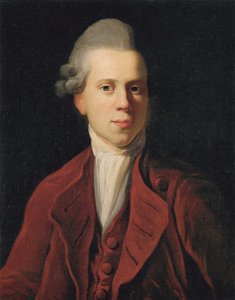
尼古拉·阿布拉罕·阿比尔高
1743 - 1809 , 丹麦
艺术家简介
- Artistic Movement Or Style: 新古典主义与浪漫主义
- Artists Or Movements Influenced By This Artist:
- 阿斯穆斯·卡斯滕斯
- 贝特尔·托瓦尔森
- 北欧浪漫主义
- Artists Who Influenced This Artist:
- 安尼巴莱·卡拉奇
- 拉斐尔
- 提香
- 米开朗基罗
- Date Of Birth: 1743年9月11日
- Date Of Death: 1809年11月14日
- Full Name: 尼古拉·亚伯拉罕·阿比尔高
- Nationality: 丹麦
- Notable Artworks:
- 克里斯蒂安一世...
- 梦魇
- 库尔敏的幽灵
- 尼尔斯·克利姆场景
- 受伤的菲洛克提忒斯
- Place Of Birth: 丹麦,哥本哈根
相关文章

Baroque Classicism: The Grandeur of Order and Drama in 17th-Century Art History
Explore the profound elegance of Baroque Classicism. Discover how 17th-century masters synthesized dramatic emotion with classical order through the lens of the Counter-Reformation and the works of legends like Carlo Maratta and Andrea Sacchi.
巴洛克古典主义:十七世纪艺术中的戏剧性与秩序融合
深入探索17世纪巴洛克古典主义艺术的戏剧性与秩序之美。卡拉瓦乔、鲁本斯等大师作品解析,揭秘宗教改革下的艺术策略,并了解凡尔赛宫的辉煌历史。OriginalUniqueArt.com为您提供专业的艺术鉴赏与定制服务。
Baroque Dynamism: The Mastery of Motion, Drama, and Chiaroscuro in Classical Art
Explore the breathtaking power of Baroque art. Delve into the dramatic interplay of light, shadow, and motion through the works of masters like Caravaggio. Discover how the era's intense emotional realism continues to inspire collectors and connoisseurs of classical grandeur.

巴洛克艺术巅峰:十部巨作定义时代,点亮您的臻品格调
探索巴洛克艺术的辉煌!本文精选十部巨作,带您领略卡拉瓦乔、伦勃朗等大师的光影魔法与戏剧张力。从黄金时代到宗教绘画,感受奢华与精致。OriginalUniqueArt.com为您提供博物馆品质的艺术复制品和家居装饰灵感。尽在OriginalUniqueArt.com!

The Visceral Stage: Exploring Dramatic Narratives & Emotional Intensity in Baroque Art
Explore the dramatic world of Baroque art! Discover iconic masters like Caravaggio & Rembrandt, their techniques, and the movement's lasting impact. Expert insights for collectors & enthusiasts at OriginalUniqueArt.

