

 效果预览
效果预览
 切换至版画销售渠道
 分享
分享 分享
分享
 详情
详情

 下载
下载
 相似作品
相似作品 X射线
X射线 幻灯片播放
幻灯片播放 统计数据
统计数据Adam and Eve


 展开详情
展开详情
购买高分辨率增强版数字图像,其品质远超在线预览。
每一份文件都由我们的内部专家使用先进工具与专业的后期润色技术精心打造。我们确保每一张图像都具备卓越的清晰度、精准的色彩还原度以及细腻的细节表现。
最终文件将在 72 小时内通过电子邮件交付,并针对专业、编辑及印刷用途进行了优化。其品质与顶级设计工作室、出版社和画廊所信赖的标准完全一致。
每份数字图像订单均包含
专业数字图像交付,品质保障
选择 OriginalUniqueArt.com,您获得的不仅仅是一张图像——您收到的是经过专业级增强、精雕细琢的数字艺术作品,并享有满意保证。以下是您的订单中自动包含的所有内容:

邮件快速送达
您的高分辨率数字图像文件将在下单后 72 小时内通过电子邮件发送给您 —— 即可立即使用。

AI 增强型数字文件
您的艺术品经过专业优化,结合先进的 AI 技术与人工修饰,确保呈现极致的细节、清晰度与色彩准确度。

终身免费重发服务
不小心删除了文件或找不到了?没关系——我们将随时为您免费重发。

无需进口费用,始终如一
即刻拥有您的艺术作品,无需支付任何关税、税费或运费——数字下载始终免税。

色彩精准保证
我们通过专业工具与色彩管理技术,确保您的数字图像尽可能真实地还原原作色彩。

100天满意保证
如果您对所购数字图像不满意,我们将在100天内为您进行修改或提供100%的全额退款——无需任何理由。

100% 退款保证
不满意?在收到数字文件后的100天内,您可以申请全额退款——无需任何理由。

批量订单优惠
购买 3 张图片可享 10% 折扣 - 购买 5 张可享 15% 折扣 - 购买 10+ 张可享 20% 折扣。非常适合创意项目、画廊和机构使用。
The Genesis of Grace: Nicolai Abildgaard’s “Adam and Eve”
Nicolai Abraham Abildgaard's "Adam and Eve," painted in 1780, isn’t merely a depiction of a biblical narrative; it’s a profound meditation on creation, temptation, and the nascent awareness of humanity. Emerging from the fertile ground of the Rococo period, yet firmly rooted in classical ideals, this engraving captures a pivotal moment – the very instant before transgression, brimming with an almost palpable sense of potential and innocence. Abildgaard masterfully balances the formality of Renaissance art with the burgeoning Romantic sensibility of his time, resulting in a work that is both exquisitely detailed and deeply emotionally resonant.
The scene unfolds within a meticulously rendered landscape, bathed in a soft, diffused light characteristic of the Rococo style. The artist’s attention to detail is breathtaking; observe the texture of Adam's muscular physique, the delicate folds of Eve’s gown, and the intricate foliage of the ancient tree that dominates the background. This isn’t a dramatic confrontation, but rather a quiet tableau – a pregnant pause before the fall. Abildgaard eschews overt theatricality, favoring instead a subtle choreography of gestures and expressions that convey a complex range of emotions: Adam's contemplative gaze towards Eve, her slightly averted attention to the fruit, and the overall atmosphere of serene contemplation.
Rococo Refinement and Classical Echoes
To understand “Adam and Eve,” one must appreciate the context of its creation. The Rococo movement, flourishing in Europe during the late 18th century, prioritized elegance, grace, and a celebration of nature. Abildgaard was deeply influenced by this aesthetic, evident in the painting’s flowing lines, pastel palette, and emphasis on decorative elements. However, he also drew heavily from classical art – particularly the works of Raphael and Michelangelo – incorporating principles of balanced composition, idealized forms, and a profound understanding of human anatomy. The engraving's structure mirrors classical compositions, creating a sense of stability and order within the narrative.
The choice of medium—engraving—further contributes to the work’s overall effect. Engravings possess a remarkable clarity and precision, allowing Abildgaard to capture minute details with astonishing accuracy. The monochrome palette enhances the dramatic contrast between light and shadow, intensifying the emotional impact of the scene. Furthermore, the process itself – meticulously transferring ink onto paper – reflects a dedication to craftsmanship and a reverence for artistic skill.
Symbolism and the Primordial Moment
Beyond its aesthetic qualities, “Adam and Eve” is rich in symbolic meaning. The ancient tree, laden with fruit, represents both knowledge and temptation. Eve’s slight hesitation as she looks down at the forbidden fruit speaks to the internal struggle between obedience and curiosity – a conflict that resonates deeply within the human experience. Adam's posture, turned towards her, symbolizes his role as protector and guide, yet also hints at his own vulnerability. The setting itself—a natural landscape—underscores the importance of humanity’s relationship with the world around them.
The signature “A. Abildgaard” and the date “1780” are not merely markers of authorship; they ground the work in a specific historical moment – a time of intellectual ferment, artistic innovation, and profound social change. Abildgaard’s "Adam and Eve" stands as a testament to the enduring power of classical art to illuminate fundamental questions about human nature and our place within the universe.
艺术家简介
早年生活与艺术基石
尼古拉·亚伯拉罕·阿比尔高(Nicolai Abraham Abildgaard)于1743年9月11日出生于哥本哈根,他成长于一个深植于艺术与学术世界的家庭。他的父亲索伦·阿比尔高是一位受人尊敬的古物素描家,这让年幼的尼古拉从小便对古典形式和细致入微的观察培养了早期的审美情趣。这种家族影响为阿比尔高的艺术之旅奠定了基石;在1764年正式进入新皇家丹麦艺术学院就读之前,他已在当地的一位绘画大师指导下接受了初步训练。他的才华很快便脱颖而出,从1764年至1767年间,他凭借不断增长的技艺屡获殊荣与奖章。这些早期的成功最终促成了他在1767年获得了一份旅行津贴——这是一个足以塑造其艺术发展轨迹的关键机遇,尽管直到五年后他才得以真正利用它。在学院度过的这段成长期中,阿比尔高受益于约翰·爱德华·曼德尔伯格和约翰内斯·维德韦尔特的教诲,在吸收他们技法与视角的过程中,同时也开辟出了属于自己的独特道路。罗马觉醒:视角的转变
1772年,尼古拉·阿比尔高终于实现了梦寐以求的罗马之旅。这段为期五年的旅居被证明是具有变革意义的,标志着他艺术演进中的关键转折点。沉浸在古典文明的核心地带,他不仅致力于研究雕塑,还潜心钻研建筑、装饰艺术以及装饰着法尔内塞宫的壮丽壁画。1776年,他与艺术家好友延斯·尤尔一同访问那不勒斯,这进一步拓宽了他的视野。对于阿比术而言,罗马不仅仅是一个进行技术研究的场所,更是一场知识层面的觉醒。他深入探索历史画领域,力求掌握其复杂的叙事力量。他从大师们的作品中汲取灵感——卡拉奇、拉斐尔、提香和米开朗基罗——吸收了他们的构图策略、戏剧性的光影运用以及对人体解剖学的深刻理解。然而,他的视野并未局限于严谨的古典主义。约汉·托比亚斯·塞尔格尔和约翰·海因里希·富斯利等艺术家的影响,开始微妙地改变他的审美感官,为他的作品注入了一种初露端倪的浪漫主义情怀。与此同时,阿比尔高培养了对文学的深厚热爱,从莎士比亚、荷马和奥西安的作品中寻找灵感——这些叙事后来成为了他画布上的灵魂,赋予了画面多层次的含义与情感共鸣。皇家委任与民族叙事
1777年12月回到哥本哈根后,阿比尔高立即被视为一颗冉冉升起的新星。他在1778年迅速获得了学院教授职位,并随后在1780年左右晋升为享有盛誉的皇家历史画家。这一任命为他带来了丹麦政府的一项宏伟委任:为克里斯蒂安堡宫的骑士厅(Riddersal)创作一系列描绘丹麦历史的绘画作品。这个项目成为了他职业生涯中最具定义性的事业。这些作品并非简单的历史插图,而是精心构建的叙事,旨在歌颂君主制并激发民族自豪感。阿比尔高大师般地将准确的历史描绘与寓言元素及神话引用相结合,创造出视觉震撼且富有思想深度的构图。他还与约翰·爱德华·曼德尔伯格合作完成了弗雷登斯堡宫的装饰方案,进一步巩固了他作为丹麦艺术领军人物的地位。风格的融合:新古典主义与浪漫主义
尼古拉·阿比尔高的艺术风格代表了新古典主义的严谨性与新兴浪漫主义感官之间迷人的融合。虽然他的作品根植于古典构图、清晰度及解剖准确性的原则,但其作品中充满了戏剧性的光影、丰富的色彩调色板以及对细节的极致追求,这些都暗示着更深层的感情暗流。例如《1474年克里斯蒂安一世提升荷尔斯泰因为公国》等著名画作便体现了这种融合——这是一幕庄严的历史场景,以古典的精准度呈现,却又充满了宏伟感与戏剧张力。其他作品,如令人心悸的《梦魇》,则展示了他探索黑暗心理主题的勇气,预示了不久后将主导欧洲艺术的全盛浪漫主义。他的探索不仅限于历史画;《库尔敏的幽灵向其母亲显现》展现了他用戏剧性强度描绘超自然事件的技巧,而像《受伤的菲洛克特etes》这样的作品则揭示了他对人类痛苦与脆弱性的敏感捕捉。他并非仅仅在复制历史或神话场景,而是通过自己的艺术视野对其进行诠释,为作品注入了能够被高雅受众理解的多层象征意义。他的绘画寓言成为了其风格的标志,将符号作为复杂思想与情感的视觉简写。遗产与持久的影响
阿比尔高曾于1789年至1791年间担任学院院长,并从1801年起再次执掌学院,直至1809年11月14日在哥本哈根逝世。在他的职业生涯中,他培养了一代才华横溢的艺术家,包括阿斯穆斯·雅各布·卡斯滕斯、贝尔特尔·托瓦尔森、J. L. 伦德,以及或许最为重要的克里斯托弗·威廉·埃克斯伯格。埃克斯伯格常被誉为“丹麦绘画之父”,他正是基于阿比尔高传授给他的原则,为丹麦绘画的黄金时代奠定了基础。阿比尔高的影响超越了他的直接学生;他从根本上塑造了丹麦的艺术版图,架起了新古典主义与浪漫主义之间的桥梁。他的作品不仅反映了时代的文化价值,还预示了未来的艺术趋势,为北欧浪漫主义的发展做出了显著贡献,并在丹麦艺术史上留下了不可磨灭的印记。在理解从启蒙运动理想向19世纪情感强度过渡的过程中,他始终是一位关键性的人物。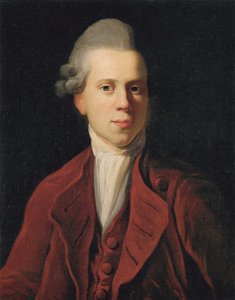
尼古拉·阿布拉罕·阿比尔高
1743 - 1809 , 丹麦
基本信息
- Artistic Movement Or Style: 新古典主义与浪漫主义
- Artists Or Movements Influenced By This Artist:
- 阿斯穆斯·卡斯滕斯
- 贝特尔·托瓦尔森
- 北欧浪漫主义
- Artists Who Influenced This Artist:
- 安尼巴莱·卡拉奇
- 拉斐尔
- 提香
- 米开朗基罗
- Date Of Birth: 1743年9月11日
- Date Of Death: 1809年11月14日
- Full Name: 尼古拉·亚伯拉罕·阿比尔高
- Nationality: 丹麦
- Notable Artworks:
- 克里斯蒂安一世...
- 梦魇
- 库尔敏的幽灵
- 尼尔斯·克利姆场景
- 受伤的菲洛克提忒斯
- Place Of Birth: 丹麦,哥本哈根