
 实景预览
实景预览
 切换至版画销售渠道
 分享
分享 分享
分享
 详情
详情 指南
指南

 下载作品
下载作品
 相似作品
相似作品 X射线
X射线 幻灯片播放
幻灯片播放 问答
问答 统计数据
统计数据The Lacemaker

- 45.0 x 53.0 cm


 展开全文
展开全文
获取远超网页预览效果的印刷级文件。我们销售的每一张数字图像均源自库存数据库中的高分辨率母版——宽度通常在 5,000 至 15,000 像素之间——因此您可以放心地进行大幅打印、局部裁剪或还原细腻的细节。
每一件作品在离开我们的工作室前都经过了精心的处理。数字影像专家会对照原作核对色彩,并在必要时进行校正,随后利用专业修图工具提升清晰度与细节表现——且始终忠实于艺术家的笔触与风格。最终呈现的图像宛如原作本身,而非仅仅是一张加了滤镜的扫描件。
您可以在最终定稿前进行审核:我们的专家将在 72 小时内通过电子邮件向您发送图像以供审阅。如果不满意?您可以要求改进或修正;若质量未达预期,亦可申请退款。
这也是出版商、设计工作室、画廊及印刷厂所信赖的品质。
每份数字图像订单均包含的内容
专业级数字交付,品质保障
选择 OriginalUniqueArt.com,您获得的不仅仅是一张图像——您收到的是经过专业级增强、精雕细琢的数字艺术作品,并享有满意保证。以下是您的订单中自动包含的所有内容:

邮件即时送达
您的高分辨率数字图像文件将在下单后 72 小时内通过电子邮件发送给您 —— 即可立即使用。

AI 增强型数字文件
您的艺术品经过专业优化,结合先进的 AI 技术与人工修饰,确保呈现极致的细节、清晰度与色彩准确度。

终身免费重发服务
不小心删除了文件或找不到了?没关系——我们将随时为您免费重发。

无需进口税费,始终如一
即刻拥有您的艺术作品,无需支付任何关税、税费或运费——数字下载始终免税。

色彩精准保障
我们通过专业工具与色彩管理技术,确保您的数字图像尽可能真实地还原原作色彩。

100天满意保证
如果您对所购数字图像不满意,我们将在100天内为您进行修改或提供100%的全额退款——无需任何理由。

100% 退款保证
不满意?在收到数字文件后的100天内,您可以申请全额退款——无需任何理由。

批量订购优惠
购买 3 张享 10% 折扣 - 购买 5 张享 15% 折扣 - 购买 10 张以上享 20% 折扣。非常适合创意项目、画廊及机构使用。
The Lacemaker: A Glimpse of Domestic Life in Delft
Nicolaes Maes’s “The Lacemaker,” painted around 1656, is more than just a portrait; it's a meticulously crafted window into the heart of 17th-century Dutch domesticity. Housed within the Metropolitan Museum of Art in New York, this small yet remarkably detailed canvas offers a poignant study of labor, femininity, and the quiet dignity of everyday life – a hallmark of the burgeoning genre painting movement that flourished during the Dutch Golden Age. The scene unfolds within a modestly furnished room, bathed in soft light filtering through a window on the left, creating an atmosphere of serene contemplation.
The central figure is a young woman, her posture suggesting both diligence and contentment as she expertly works at her lacemaking. Her hands move with practiced grace, transforming simple threads into intricate patterns – a testament to the skill and patience required for this demanding craft. Beside her, a small child sits perched on a stool, observing his mother’s work with an expression of innocent curiosity. This juxtaposition of generations, of labor and observation, imbues the scene with a subtle narrative depth.
A Masterclass in Light and Shadow
Maes was deeply influenced by Rembrandt van Rijn, inheriting his profound understanding of *chiaroscuro*, the dramatic interplay of light and shadow. Here, this technique is masterfully employed to draw the viewer’s eye to the central figure, highlighting her hands and the delicate lace she creates. The dark background – a simple wooden room with a muted floor – serves as a powerful contrast, emphasizing the brightness of the figures and creating a sense of intimacy. Notice how Maes uses subtle gradations of light to model the woman's face and clothing, lending them a remarkable three-dimensionality.
The artist’s meticulous attention to detail extends beyond the figure itself. The textures of the fabric – the smooth sheen of the bodice, the rough weave of the tablecloth – are rendered with astonishing realism. Even the small objects on the table – a vase and a bowl – contribute to the sense of a lived-in space, grounding the scene in a tangible reality.
Symbolism and Social Context
Lacemaking was not merely a domestic occupation; it held significant social and economic value during this period. The intricate lace produced by women like the one depicted in “The Lacemaker” was highly sought after, providing an important source of income for many families. The painting therefore offers a glimpse into the lives of ordinary Dutch women, highlighting their contributions to the household economy and showcasing their skill and artistry.
Furthermore, the presence of the child adds another layer of symbolic meaning. Children were often depicted in domestic scenes as symbols of hope and continuity, representing the future generation. The boy’s attentive gaze suggests a connection between mother and child, reinforcing the values of family and tradition that were central to Dutch society.
A Timeless Portrait of Domesticity
“The Lacemaker” is more than just a beautiful painting; it's a powerful testament to the artistry and skill of Nicolaes Maes. Through his masterful use of light, shadow, and detail, he has captured a fleeting moment in time – a glimpse into the quiet dignity of domestic life in Delft. The painting’s enduring appeal lies in its ability to evoke a sense of nostalgia for a bygone era, reminding us of the simple pleasures and profound beauty that can be found in the everyday.
常见问题与解答
"The Lacemaker" 与 尼科拉斯·马斯 (Ní Kèlāsī·Mǎsī) 的其他作品有何共通之处?
在尼科拉斯·马斯 (Ní Kèlāsī·Mǎsī)的作品中,"The Lacemaker" 呈现出Dutch Golden Age风格,并延续了rembrandt’s light & shadow, dutch domesticity, virtue”, “17th-century life”, “genre painting focus”, maes's intimate scenes”的主题。
“The Lacemaker”的作者是谁,创作于何时?
"The Lacemaker" 是由 尼科拉斯·马斯 (Ní Kèlāsī·Mǎsī) 于 1656 年创作的。
尼科拉斯·马斯 (Ní Kèlāsī·Mǎsī) 的《The Lacemaker》展现了怎样的色彩和谐感?
"The Lacemaker" 的色彩和谐度评分为 Strong Color Unity。
艺术家简介
光影中的生活:尼古拉斯·马埃斯的人生与艺术
尼古拉斯·马埃斯(Nicolaes Maes),一位在荷兰黄金时代画坛上静静闪耀的名字,于1634年1月出生在多德雷赫特。彼时,这座城市正沐浴着商业繁荣和艺术激荡的氛围。他的父亲杰里特·马埃斯是一位成功的布商和肥皂制造商,为年轻的尼古拉斯提供了舒适的生活环境,使他得以追求对绘画的热情。虽然早期的指导来自一位默默无闻的本地艺术家,但1648年左右前往阿姆斯特丹并进入伦勃朗·凡·莱因的工作室,成为了马埃斯艺术生涯中至关重要的转折点。这次学徒经历极大地影响了他,赋予他持久的光影交织——明暗对比法的欣赏能力,以及精湛的色彩运用技巧,这些都将定义他早期的作品。伦勃朗的影响是如此深刻,以至于他最初的作品,例如那些描绘了栩栩如生的人物和丰富、绚丽色调的圣经场景,常常被误认为是伦勃朗本人所作。这些奠基性的岁月为他日后辉煌的职业生涯打下了坚实的基础,并培养了他对人类情感深刻的理解。从伦勃朗的阴影中走向独立的视野
1654年回到多德雷赫特后,马埃斯开始开创自己的艺术道路,逐渐摆脱了对前任大师的直接模仿。随后的十年见证了他的风格转变,转向小规模的家庭题材场景,但仍然保留了他从伦勃朗那里汲取的鲜艳色彩。他敏锐的目光投向荷兰市民的日常生活,细致而敏感地描绘着女性从事日常活动——纺纱、阅读经文、准备餐食。他对蕾丝编织艺术产生了浓厚的兴趣,创作了无数以此为主题的作品,每一幅作品都证明了马埃斯一丝不苟的观察力和精湛的技艺。这些画作不仅仅是对日常生活的描绘;它们是通往家庭领域的窗口,揭示了17世纪荷兰社会中潜藏的平静尊严和微妙的故事。他这一时期的作品展现了他捕捉人们做什么以及他们在做的时候感受如何的能力。阿姆斯特丹的肖像画家
1673年,马埃斯搬到阿姆斯特丹,这一举动标志着他的艺术抱负和对不断变化的艺术市场的敏锐适应能力。这座城市仍然在与英格兰和法国的战争中苦苦挣扎,对肖像画的需求日益增长,马埃斯迅速成为其领先的实践者之一。他放弃了早期的许多题材作品,转而专注于捕捉阿姆斯特丹杰出市民的容貌和个性。他的肖像画以精致的优雅和深刻的心理洞察力为特征,不仅展现了外貌上的相似之处,还暗示着人物的性格和社会地位。例如“杰拉德·罗弗尔肖像,阿姆斯特丹商人兼船主”就完美地体现了他的技艺,生动地描绘了财富和公民自豪感。他擅长通过微妙的细节来传达身份——织物的质量、服装的剪裁、坐姿的自信。这一时期标志着风格上的重大转变,从早期的温暖和亲密转向更加精致和成熟的美学。遗产与持久魅力
尼古拉斯·马埃斯于1693年12月在阿姆斯特丹去世,留下了一大批作品,至今仍吸引着观众的目光。他的画作为了解荷兰黄金时代的社会习俗、家庭内部环境和心理复杂性提供了宝贵的见解。虽然他早期的作品带有伦勃朗影响的印记,但马埃斯最终发展出一种独特的风格,其特点是细致的细节、鲜艳的色彩和对人类性格的敏感描绘。他提升日常场景和个人到艺术高度的能力确保了他成为那个时代最重要的画家之一。今天,他的画作被世界各地著名的收藏机构所珍藏,包括阿姆斯特丹国立博物馆、伦敦国家美术馆和华盛顿特区国家艺术画廊,通过诸如OriginalUniqueArt.com之类的平台,方便研究和欣赏,确保这位杰出的荷兰艺术家的遗产世代相传。他的作品的关键特征
- 伦勃朗的影响:早期的作品表现出伦勃朗·凡·莱因的强烈影响,尤其是在明暗对比法的使用和丰富的色彩调色板方面。
- 题材场景:马埃斯以其对日常生活的亲密描绘而闻名,专注于家庭内部环境以及纺纱、阅读等活动。
- 肖像画大师:他成为阿姆斯特丹的领先肖像画家,以精确和优雅地捕捉坐姿者的容貌和性格而著称。
- 细致的观察:他的画作具有一丝不苟的细节关注,尤其是在渲染纹理、织物和面部表情方面。
- 心理洞察力:马埃斯拥有非凡的能力,可以通过微妙的手势和表情来传达他的人物内在生活和情感。
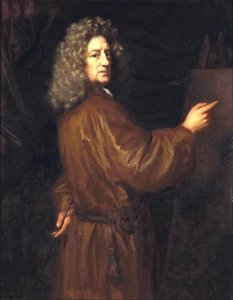
尼科拉斯·马斯 (Ní Kèlāsī·Mǎsī)
1634 - 1693 , 荷兰
基本信息
- Artistic Movement Or Style: 巴洛克,荷兰黄金时代
- Artists Or Movements Influenced By This Artist: ['荷兰风俗画家']
- Artists Who Influenced This Artist: ['伦勃朗·凡·莱因']
- Date Of Birth: 1634年1月
- Date Of Death: 1693年12月
- Full Name: 尼古拉斯·马斯
- Nationality: 荷兰国籍
- Notable Artworks:
- 沉思者
- 纸牌玩家
- 卡塔琳娜·波蒂
- 杰拉德·罗弗
- 一位女士肖像
- Place Of Birth (City And Country): 荷兰多德雷赫特