
 效果预览
效果预览
 切换至手工绘画版
 分享
分享 分享
分享
 详情
详情

 下载
下载
 相似作品
相似作品 X射线
X射线 幻灯片播放
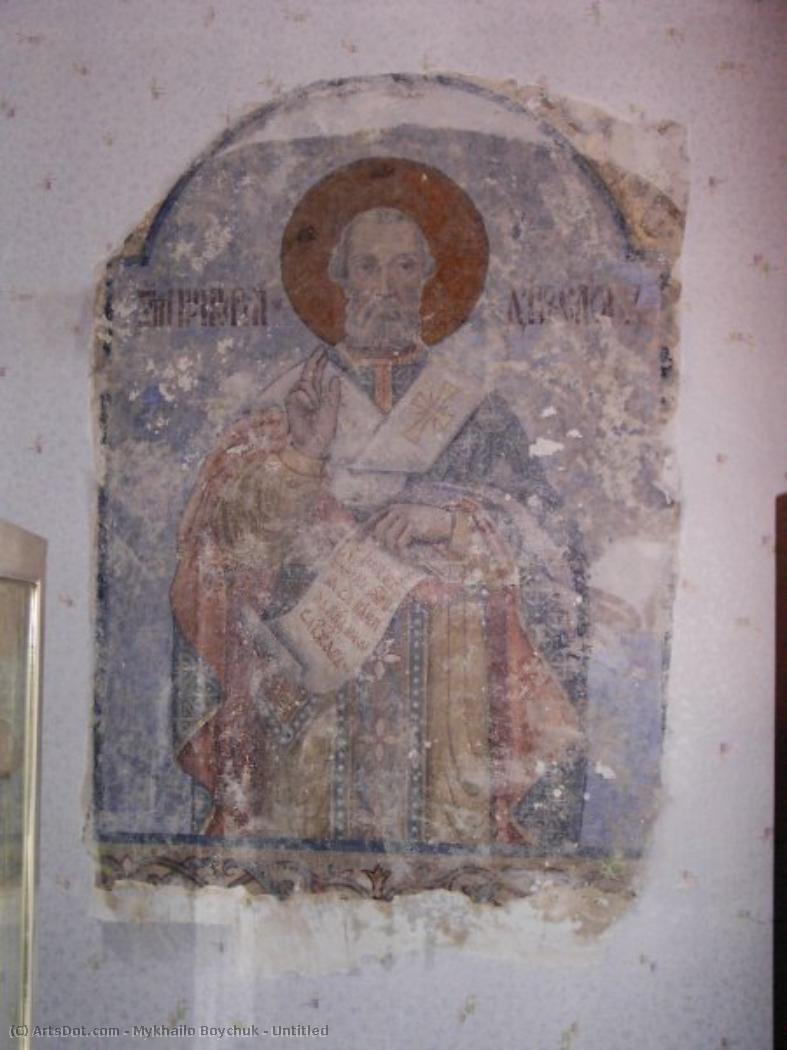
幻灯片播放Untitled


 展开详情
展开详情




































从与原作比例一致的预设尺寸中进行选择。

您可以输入自定义尺寸,以适配特定的画框或空间。如果您选择的尺寸与原图比例不符,我们将对作品进行裁剪,或通过镜像填充/纯色填充边缘的方式来扩展图像。在开始制作之前,我们会向您发送一份数字效果图供您确认。
请注意,屏幕上的预览并不能反映实际的裁剪或扩展效果。只有效果图才能准确展示最终的构图。
虽然我们提供定制尺寸,但为了保持原图比例,我们建议您从预设列表中选择尺寸。


 玻璃选项仅适用于110厘米以下的尺寸。

Untitled
艺术微喷/版画
复制品尺寸
-


最终总价
$ 80
艺术家简介
Mykhailo Boychuk: The Byzantine Soul of Ukrainian Monumental Art
Mykhailo Lvovych Boychuk (1882 – 1937) stands as a singular figure in Ukrainian art history—a painter who wrestled with the monumental spirit of Byzantium and fused it with the revolutionary fervor of Soviet Ukraine. Born Romanivka, now Ternopil Oblast, he emerged from humble beginnings to become one of the most influential artists of his generation, shaping the visual landscape of his nation during a turbulent period. His legacy continues to inspire admiration for its uncompromising vision and enduring artistic power.Early Life & Artistic Formation
Boychuk’s formative years were steeped in Ukrainian peasant culture, yet he possessed an innate inclination towards art from a young age. Studying under Yulian Pankevych in Lviv instilled in him the foundational principles of Western European painting—particularly Impressionism—before he ventured to Kraków Academy of Fine Arts where he honed his skills and graduated in 1905. Further explorations into Viennese and Munich artistic traditions broadened his horizons, exposing him to diverse stylistic approaches that would ultimately inform his distinctive oeuvre. The Salon des Indépendants in Paris in 1910 marked a pivotal moment, showcasing Boychuk’s groundbreaking frescoes alongside those of fellow artists Félix Vallotton, Paul Sérusier, and Maurice Denis—a collective known as the Boychukists—who championed a revival of Byzantine art as a catalyst for national renewal.The Boychukist Style & Byzantine Influence
Boychuk's artistic philosophy centered on a deliberate return to the grandeur and spiritual depth of Byzantine iconography. He argued that this tradition represented the purest expression of Ukrainian identity, rejecting Western academic conventions in favor of monumental synthesis—a technique characterized by flattened planes, bold color palettes, and stylized figures imbued with symbolic resonance. This approach wasn’t merely stylistic; it was a deeply considered response to the intellectual currents of his time, reflecting anxieties about national decline amidst the pressures of European modernity. The Boychukist group actively sought to reinterpret biblical narratives through this Byzantine lens, producing works that conveyed profound emotional intensity and unwavering faith.Monumental Commissions & Artistic Achievements
Boychuk’s artistic reputation soared during the 1920s as he undertook ambitious commissions for Soviet Ukraine—primarily fresco cycles adorning churches and civic buildings across Kyiv and Kharkiv. His monumental paintings tackled themes of heroism, sacrifice, and revolutionary idealism, embodying the aspirations of a nation striving to forge its own path amidst the upheavals of the Russian Revolution. Among his most celebrated achievements are the frescoes in St. Volodymyr Cathedral in Kyiv—a breathtaking testament to Byzantine artistic principles executed with unparalleled skill and conviction—and the monumental mural depicting “The Triumph of Lenin” in Kharkiv’s Kharkiv Philharmonic Hall, a striking example of Soviet propaganda art infused with Boychuk's distinctive stylistic vision.Tragic Fate & Enduring Legacy
Despite his considerable success as an artist and educator, Boychuk’s life was tragically cut short during the Great Purge of 1937—a period of political repression orchestrated by Joseph Stalin. Along with his wife, Sofia Nalepinska—also a talented painter—he was executed without trial, silencing one of Ukraine's most luminous artistic voices. However, Boychuk’s influence endured through his students—including Tymofiy Boychuk and Ivan Padalka—who continued to champion his stylistic principles and contribute to Ukrainian art. Today, Mykhailo Boychuk remains revered as a visionary artist who dared to reimagine national identity through the timeless language of Byzantine art—a testament to the enduring power of artistic conviction and the tragic loss of a brilliant creative mind. His works continue to inspire awe and contemplation, cementing his place as one of Ukraine’s foremost cultural icons.
Mykhailo Boychuk
1882 - 1937 , Ukraine
艺术家简介
- Artistic Movement Or Style: Monumentalism; Byzantine-inspired frescoes & mosaics
- Artists Or Movements Influenced By This Artist: ['Boychukism']
- Artists Who Influenced This Artist:
- Yulian Pankevych
- Félix Vallotton
- Paul Sérusier
- Maurice Denis
- Date Of Birth: Romanivka, Ukraine (1882)
- Date Of Death: Kyiv (1937)
- Full Name: Mykhailo Lvovych Boychuk
- Nationality: Ukrainian
- Notable Artworks:
- Harvest
- Untitled
- Prophet Elijah
- Place Of Birth: Romanivka, Austria-Hungary

