

 效果预览
效果预览
 分享
分享 分享
分享
 详情
详情

 下载
下载
 相似作品
相似作品 X射线
X射线 幻灯片播放
幻灯片播放 统计数据
统计数据Walking over muddy ground, Central Utah Relocation Project, Topaz, Utah, 1942-1944


 展开详情
展开详情
手工油画复制品
由我们的艺术家按需定制,为您提供您所选尺寸及画框的布面手工油画。 ( 切换至版画销售渠道 切换至数字图像销售渠道)




P118B $10

P118H $10

P118W $10

P438Z $10

P508JH $12

P508YH $12

P805H $10

P805Z $10

P919BZ $10

P919G $10

P919XJ $10

P959ZH $10

P968JZ $12

W106C $8

W218G $10

W218JH $8

W218Y $10

W307PJ $10

W316G $10

W316PJ $8

W316Y $10

W398PJ $8

W4111J $10

W500HY $15

W500JH $15

W692G $12

W849H $8

W940BG $15

W953PJ $8




从与原作比例一致的预设尺寸中进行选择。

您可以输入自定义尺寸,以适配特定的画框或空间。如果所选尺寸与原图比例不符,我们将通过裁剪作品或添加手绘元素来扩展画面。数字样稿将在制作开始前发送给您确认。
请注意,屏幕预览无法准确反映实际的裁剪或扩展效果,只有样稿才能真实呈现最终的构图。
虽然我们提供定制尺寸服务,但为了保留原作比例,建议您从预设列表中选择尺寸。
下单后,OriginalUniqueArt.com 团队将通过电子邮件联系客户获取具体要求,并提供效果预览图。


 玻璃选项仅适用于110厘米以下的尺寸。

Walking over muddy ground, Central Utah Relocation Project, Topaz, Utah, 1942-1944
复制材质
复制品尺寸
-


最终总价
$ 300
Walking Over Muddy Ground: A Chronicle of Resilience
Miné Okubo’s “Walking Over Muddy Ground, Central Utah Relocation Project, Topaz, Utah, 1942-1944” isn't merely a depiction of a landscape; it’s a distilled essence of hardship, determination, and the quiet dignity of a people displaced. Rendered in stark black and white, the drawing captures a pivotal moment within the Topaz War Relocation Center—a microcosm of the larger narrative of Japanese American internment during World War II. The image immediately draws the eye to two figures, a man and a woman, navigating a landscape saturated with mud, their postures conveying both physical exertion and an unspoken weight of experience. It’s a scene that speaks volumes without uttering a single word, inviting viewers to contemplate the complexities of displacement, resilience, and the enduring spirit of those who persevered through unimaginable circumstances.
A Study in Line and Texture
Okubo's masterful technique lies in her deliberate use of line. Hatching and cross-hatching dominate the composition, meticulously building up texture to represent the slick, clinging mud that dominates the foreground. The lines aren’t simply descriptive; they possess a palpable energy, mirroring the figures’ struggle as they navigate the treacherous terrain. Notice how the lines thicken and intensify where the mud is deepest, creating a sense of physical resistance. This isn't a romanticized view of nature; it’s an honest portrayal of a challenging environment—a visual metaphor for the obstacles faced by the internees. The careful rendering of clothing, particularly the man’s knit hat and checkered jacket, adds another layer of detail, grounding the scene in a specific time and place while simultaneously highlighting the contrast between their resilience and the surrounding adversity.
Echoes of a Troubled Era
“Walking Over Muddy Ground” is inextricably linked to the historical context of Japanese American internment. The Topaz Relocation Center, established in 1942 amidst rising anti-Japanese sentiment and fueled by wartime hysteria, represented a dark chapter in American history. Executive Order 9066, signed by President Franklin Roosevelt, initiated the forced removal of over 120,000 Americans of Japanese descent from their homes along the West Coast. The camp itself was not simply a place of confinement; it was a site of bureaucratic control, social disruption, and profound emotional distress. Okubo’s drawing serves as a poignant visual record of this period, offering a glimpse into the daily realities experienced by those who were unjustly incarcerated.
Symbolism and Emotional Resonance
The muddy ground itself is laden with symbolic weight. It represents not only the physical challenges faced by the internees—the constant struggle against the elements, the pervasive dust—but also the metaphorical obstacles they encountered in their lives. The figures’ determined strides forward suggest a refusal to succumb to despair, an unwavering commitment to maintaining dignity and hope amidst adversity. The distant barracks, barely visible on the horizon, serve as a reminder of the imposed limitations and the loss of freedom. Yet, despite these constraints, the drawing radiates a quiet strength—a testament to the resilience of the human spirit and the enduring power of observation. “Walking Over Muddy Ground” is more than just an artwork; it’s a powerful historical document and a moving meditation on displacement, perseverance, and the importance of bearing witness.
艺术家简介
镌刻在韧性中的生命:大久保米内的艺术世界
1912年出生于加利福尼亚州河滨市的大久保米内(Miné Okubo),是一位其生命轨迹与美国历史上一个关键且痛苦的篇章紧密交织的艺术家。她的故事不仅仅关乎艺术天赋,更关乎深沉的勇气、不懈的观察以及艺术作为见证者的力量。在这样一个重视创造力的家庭中,她从小便受到熏陶——母亲是一位技艺精湛的书法家,父亲则是一位学者。沿着这条路径,大久保开启了正式的艺术训练之路,先后就读于加州大学伯克利分校,并于1sst1938年远赴欧洲以拓宽艺术视野。然而,这段求学时光却被二战迫近的阴影戛然而止,随着全球局势走向白热化,她被迫返回美国。当时她绝不会想到,这次归乡带来的并非艺术探索的延续,而是强制性的囚禁,以及一段将彻底定义她生命与艺术的苦难经历。见证时刻:围墙之内的艺术
珍珠港事件不可挽回地改变了大久保的人生轨迹,正如它改变了无数日裔美国人一样。1942年,她与弟弟本吉(Benji)被迫离开家园,被不公正地关押在坦福兰集合营(Tanforan Assembly Center),那是一处由赛马场改建而成的临时收容设施,随后他们被转移到犹他州更为永久的托皮兹战争重新安置中心(Topaz War Relocation Center)。正是在这些铁丝网围起的禁锢之地,在尘土与绝望之中,大久保开启了她最重大的艺术实践。出于一种近乎强迫性的记录现实的渴望,她开始为营地生活创造一份卓越的视觉记录——通过钢笔水墨、水彩和炭笔,细致入微地绘制了超过2000幅图画与素描。这些作品并非宏大的历史画作或理想化的肖像,而是对日常生存状态最原始、最真实的刻画:拥挤的居住空间、官僚主义的程序、写满忧虑与无奈的面孔,以及在深重苦难中闪现的宁静尊严。她捕捉了那些平凡的细节——晾在绳上的衣物、在尘土中嬉戏的孩子、食堂里供应的饭菜——并将它们转化为关于韧性与公民自由受损的有力宣言。大久保的艺术不仅仅是一种个人的回应,更是一种反抗的行为,一种拒绝被沉默或抹去的决心。《公民13660》:非人化待遇与希望的见证
1944年从托皮兹获释后,大久保将她的经历转化为一部具有开创意义的艺术与文学作品:《公民13660》(Citizen 13660)。这部出版于1946年的著作包含了198幅她的画作,并配以感人至深的文字。书名本身具有深刻的象征意义,它引用了她在集中营系统中被分配的编号——这残酷地提醒着人们,她与许多其他人所经历的那种剥夺人性的过程。公民13660 并非仅仅是对苦难的编年史,它更是对逆境中人类精神的细腻描绘。大久保并未回避对屈辱与不公的刻画,但她同时也捕捉到了社区感、幽默感以及内在的力量。她的画作以其直接性、情感深度以及对线条与阴影的大师级运用而著称。这本书迅速成为记录日裔美国人集中营经历的经典之作,为人们提供了一个审视美国历史上这段许多人宁愿忽视的黑暗篇章的无畏视角。延续的遗产:作为社会评论的艺术
战后,大久保移居纽约,继续她的艺术生涯,担任杂志和书籍的自由插画家,并从事壁画创作。虽然她的艺术风格随着时间推移而演变,但她从未完全抛弃那些定义了她战时作品的主题——社会正义与人类尊严。她探索了不同的媒介与技法,却始终保持着对现实主义和诚实观察的承诺。大久保的艺术影响来源广泛,她从社会现实主义运动中汲取灵感,该运动强调以不屈的准确性来描绘社会问题与日常生活;同时,她也受到凯绥·珂勒惠支(Käthe Kollwitz)等艺术家的启发,后者以其对人类苦难的有力刻画而闻名。在她的职业生涯中,她获得了众多奖项与认可,包括来自美国国家艺术基金会的资助,这肯定了她对美国艺术与文化的重大贡献。大久保米内于2001年逝世,留下了至今仍在引起共鸣的遗产。她的作品是一个强有力的提醒:它警示着公民自由的脆弱,强调了警惕偏见与歧视的重要性,并展示了艺术在见证、挑战不公以及激发希望方面的持久力量。她的画作不仅仅是历史文献;它们是用水墨与水彩镌刻的深刻的人性故事,要求我们铭记、学习,并且永远不要重蹈过去的覆辙。
大久保 米内
1912 - 2001 , 美国
艺术家简介
- Artistic Movement Or Style: 社会现实主义
- Artists Or Movements Influenced By This Artist: ['民权运动']
- Artists Who Influenced This Artist: ['凯特·科尔维茨']
- Date Of Birth: 1912年6月27日
- Date Of Death: 2001年2月10日
- Full Name: 大久保 米内
- Nationality: 美国
- Notable Artworks:
- 公民 13660
- Mine 与 Toku 的室内场景
- 在 Topaz Times 工作
- Place Of Birth: 美国,里弗赛德
相关文章

American Regionalism: The Soul of the Heartland and the Mastery of Grant Wood
Explore the profound history of American Regionalism. Discover how Grant Wood captured the heart of the Midwest through masterpieces like American Gothic. An expert guide to the movement, its cultural impact, and the enduring beauty of American Realism.

Grant Wood & American Regionalism: Identity, Myth & the Rural Landscape
Explore the world of Grant Wood & American Regionalism with OriginalUniqueArt. Discover the symbolism behind 'American Gothic', recurring themes, and the movement's lasting impact on art history. High-quality reproductions available.

American Realism's Defining Works: 10 Masterpieces for Your Home
Explore 10 defining American Realism masterpieces – Hopper, Homer & more. Discover the stories behind these iconic paintings and bring timeless art to your home with OriginalUniqueArt's museum-quality reproductions. Explore the full collection online.
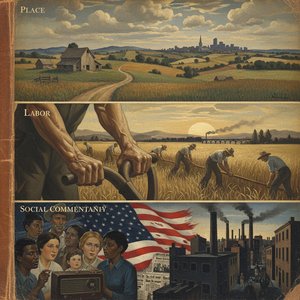
美国地域主义:身份认同的熔炉——场所、劳工与社会评论探索
深入探索美国地域主义艺术运动:格兰特·伍德、保罗·雷诺兹等大师作品解读,洞察大萧条时代的文化反思与社会现实。OriginalUniqueArt.com提供高品质油画复制及定制服务,助您收藏经典。
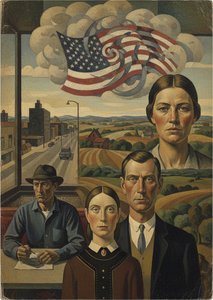
美国区域主义运动:大萧条时期对民族认同与现实主义的艺术探索
深入探索美国区域主义运动,了解大萧条时期艺术家如何通过现实主义绘画表达民族认同与对美国梦的反思。OriginalUniqueArt提供高品质艺术品复制、定制服务及专业咨询。
