
 实景预览
实景预览
 切换至版画销售渠道
 分享
分享 分享
分享
 详情
详情 指南
指南

 下载作品
下载作品
 相似作品
相似作品 X射线
X射线 幻灯片播放
幻灯片播放 问答
问答 统计数据
统计数据Abstraction

- 87.0 x 44.0 cm


 展开全文
展开全文
获取远超网页预览效果的印刷级文件。我们销售的每一张数字图像均源自库存数据库中的高分辨率母版——宽度通常在 5,000 至 15,000 像素之间——因此您可以放心地进行大幅打印、局部裁剪或还原细腻的细节。
每一件作品在离开我们的工作室前都经过了精心的处理。数字影像专家会对照原作核对色彩,并在必要时进行校正,随后利用专业修图工具提升清晰度与细节表现——且始终忠实于艺术家的笔触与风格。最终呈现的图像宛如原作本身,而非仅仅是一张加了滤镜的扫描件。
您可以在最终定稿前进行审核:我们的专家将在 72 小时内通过电子邮件向您发送图像以供审阅。如果不满意?您可以要求改进或修正;若质量未达预期,亦可申请退款。
这也是出版商、设计工作室、画廊及印刷厂所信赖的品质。
每份数字图像订单均包含的内容
专业级数字交付,品质保障
选择 OriginalUniqueArt.com,您获得的不仅仅是一张图像——您收到的是经过专业级增强、精雕细琢的数字艺术作品,并享有满意保证。以下是您的订单中自动包含的所有内容:

邮件即时送达
您的高分辨率数字图像文件将在下单后 72 小时内通过电子邮件发送给您 —— 即可立即使用。

AI 增强型数字文件
您的艺术品经过专业优化,结合先进的 AI 技术与人工修饰,确保呈现极致的细节、清晰度与色彩准确度。

终身免费重发服务
不小心删除了文件或找不到了?没关系——我们将随时为您免费重发。

无需进口税费,始终如一
即刻拥有您的艺术作品,无需支付任何关税、税费或运费——数字下载始终免税。

色彩精准保障
我们通过专业工具与色彩管理技术,确保您的数字图像尽可能真实地还原原作色彩。

100天满意保证
如果您对所购数字图像不满意,我们将在100天内为您进行修改或提供100%的全额退款——无需任何理由。

100% 退款保证
不满意?在收到数字文件后的100天内,您可以申请全额退款——无需任何理由。

批量订购优惠
购买 3 张享 10% 折扣 - 购买 5 张享 15% 折扣 - 购买 10 张以上享 20% 折扣。非常适合创意项目、画廊及机构使用。
The Artist and His Style
Milton Resnick was an American artist known for his unique approach to abstract art. His paintings often featured bold colors and textures, which gave them a dynamic and expressive quality. Abstraction is no exception, with its vibrant hues and intricate patterns that seem to dance across the canvas. This piece is not only a reflection of the artist's skill but also a window into his creative mind.The Painting's Significance
Abstraction is significant not just because of its aesthetic appeal but also due to its place in the history of abstract art. It represents a pivotal moment in Milton Resnick's career and showcases his ability to push boundaries. The painting is currently housed at the National Portrait Gallery in the United States, where it continues to inspire and intrigue art lovers.Understanding Abstract Art
To fully appreciate Abstraction, it's essential to understand the context of abstract art. This movement, which emerged in the early 20th century, emphasized non-representational forms and expressed emotions through color and texture. As explained on The Abstract Art Movement page on OriginalUniqueArt.com, abstract art is about creating works that exist independently of visual references, focusing instead on the emotional and expressive qualities of art.For those interested in exploring more about Milton Resnick and his work, visiting Milton Resnick: Abstraction on OriginalUniqueArt.com provides a detailed insight into the painting and the artist. Additionally, Wikipedia's page on 20th-century Western painting offers a comprehensive overview of the period during which Abstraction was created, highlighting key movements and figures in modern art.
- View more artworks by Milton Resnick on OriginalUniqueArt.com to understand his style and contribution to abstract expressionism.
- Explore the National Portrait Gallery to discover other significant works of art, including those that represent the evolution of abstract art.
- Learn about the history of painting on Wikipedia to appreciate the context in which Abstraction was created.
常见问题与解答
我能查看Milton Resnick 的《Abstraction》的X光影像吗?
您可以在作品的 X射线透视 页面上逐层探索 “Abstraction”;该交互式查看器的设计灵感源自修复师使用的光源台,通过十一层光学读数呈现图像细节。
《Abstraction》属于 Milton Resnick 艺术生涯中的哪个时期?
在Milton Resnick的艺术生涯中,"Abstraction"创作于Mature Period时期。这一阶段有助于将其与艺术家的其他作品进行比较。
Milton Resnick 的《Abstraction》 是运用了强烈的对比,还是呈现出柔和的和谐?
Milton Resnick 的《Abstraction》 的色彩分析呈现出一种 Serene 的对比与 Balanced Harmony 的和谐。
艺术家简介
A Life Forged in Abstraction: The Journey of Milton Resnick
Milton Resnick, born Rachmiel Resnick on January 7, 1917, in Bratslav, Ukraine, was a pivotal figure in the evolution of American Abstract Expressionism. His story is one of displacement, artistic dedication, and an unwavering commitment to exploring the depths of abstract form and color. The early years of his life were marked by upheaval; his family, prosperous Jewish merchants – builders on his father’s side, flour traders through his mother – fled the turmoil following the Russian Revolution, seeking refuge in the United States in 1922. Settling in Brooklyn, young Rachmiel would later become Milton, a transformation mirroring his embrace of a new world and a new artistic identity. This immigrant experience profoundly shaped his sensibility, instilling a sense of searching and a willingness to forge his own path. Even as a teenager, Resnick defied familial expectations, leaving home at seventeen to pursue his passion for art, supporting himself through arduous means – selling blood, modeling – all while immersing himself in the burgeoning artistic landscape of New York City. His formal education included studies at Pratt Institute Evening School of Art and the American Artists School, but it was a close friendship with Willem de Kooning and tutelage under Hans Hofmann that proved most formative, guiding his early explorations into abstraction.Parisian Echoes and the Rise of Abstract Expressionism
The years following World War II were crucial in Resnick’s artistic development. Serving in the Army during the war provided a stark contrast to the creative world he yearned for, but upon his discharge in 1945, he immediately sought inspiration abroad. From 1946 to 1948, Resnick lived and worked in Paris, a city still resonating with artistic innovation despite the recent conflict. This period proved transformative; he encountered giants of modern art – Wols, Giacometti, Brancusi, Matisse, Picasso, and Derain – absorbing their influences while simultaneously forging his own unique vision. The Parisian experience instilled in him a deep appreciation for materiality and form, qualities that would become hallmarks of his work. Returning to New York, Resnick became a founding member of the Artist’s Club in 1949, a vital hub for the burgeoning Abstract Expressionist movement. This collective, which included figures like Franz Kline, Ad Reinhardt, and Jack Tworkov, provided a platform for experimentation and intellectual exchange, solidifying his place within this groundbreaking artistic community. His participation in the seminal 9th Street Art Exhibition in 1951 further cemented his reputation as a rising force in American art.Scale, Density, and the Pursuit of the Sublime
Resnick’s mature style is immediately recognizable for its monumental scale and intensely pigmented surfaces. He wasn't merely painting *on* canvas; he was building it up, layer upon layer, often resulting in works weighing over 300 pounds – a testament to his commitment to materiality. Initially, his paintings were characterized by muscular, interlocking forms reminiscent of de Kooning’s energetic brushwork. However, Resnick gradually moved towards looser handling of paint and expansive monochromatic fields, exploring the expressive potential of color and texture. He became known for his unique approach to scale and density, creating immersive environments that enveloped the viewer. His canvases weren't windows onto another world; they *were* worlds unto themselves. This exploration wasn’t simply about aesthetics; it was a spiritual quest, an attempt to capture something of the sublime – a sense of awe-inspiring vastness and emotional power. In his later years, Resnick began incorporating figurative and imagistic elements into his abstract compositions, hinting at narratives without ever fully revealing them, adding another layer of complexity to his already profound work.Legacy and Enduring Influence
Throughout his career, Milton Resnick exhibited widely in prominent galleries including the Poindexter Gallery, Howard Wise Gallery, Max Hutchinson, and Robert Miller, gaining critical acclaim for his unique vision. His paintings are now held in numerous prestigious public collections, including the Smithsonian American Art Museum, the National Gallery of Art, the Museum of Modern Art (NYC), The Metropolitan Museum of Art, the National Gallery of Australia, and the Whitney Museum of American Art – a testament to his lasting impact on the art world. Beyond painting, Resnick was also an accomplished poet, writing nearly daily for the last thirty years of his life, revealing another facet of his creative spirit. He taught at Pratt Institute and New York University, sharing his knowledge and passion with generations of aspiring artists. He purchased and renovated an abandoned synagogue on Eldridge Street in Manhattan, transforming it into both a studio and residence – a space that became synonymous with his artistic practice. The Milton Resnick and Pat Passlof Foundation, established to manage his estate alongside the work of his wife, plans to open this historic building as a public exhibition space, ensuring that his legacy will continue to inspire for years to come. Milton Resnick died on March 12, 2004, in New York City, leaving behind a body of work that stands as a powerful and enduring contribution to post-war American art – a testament to the transformative power of abstraction and the relentless pursuit of artistic truth.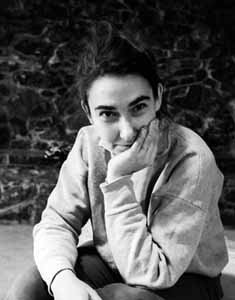
Milton Resnick
1917 - 2004 , Russia
基本信息
- Full Name: Milton Resnick
- Nationality: American
- Date Of Birth: 1917
- Date Of Death: 2004
- Place Of Birth: Brest, Russia
- Notable Artworks:
- Abstraction
- Wheel
- New Bride
- Artistic Movement Or Style: Abstract Expressionism
- Artists Who Influenced This Artist:
- Willem de Kooning
- Hans Hofmann