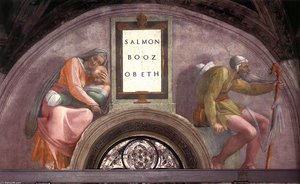
效果预览
效果预览
 分享
分享 分享
分享
 详情
详情

 下载
下载
 相似作品
相似作品 X射线
X射线 幻灯片播放
幻灯片播放 统计数据
统计数据Bronze nudes


 展开详情
展开详情
手工油画复制品
由我们的艺术家按需定制,为您提供您所选尺寸及画框的布面手工油画。 ( 切换至版画销售渠道 切换至数字图像销售渠道)




P118B $10

P118H $10

P118W $10

P438Z $10

P508JH $12

P508YH $12

P805H $10

P805Z $10

P919BZ $10

P919G $10

P919XJ $10

P959ZH $10

P968JZ $12

W106C $8

W218G $10

W218JH $8

W218Y $10

W307PJ $10

W316G $10

W316PJ $8

W316Y $10

W398PJ $8

W4111J $10

W500HY $15

W500JH $15

W692G $12

W849H $8

W940BG $15

W953PJ $8




从与原作比例一致的预设尺寸中进行选择。

您可以输入自定义尺寸,以适配特定的画框或空间。如果所选尺寸与原图比例不符,我们将通过裁剪作品或添加手绘元素来扩展画面。数字样稿将在制作开始前发送给您确认。
请注意,屏幕预览无法准确反映实际的裁剪或扩展效果,只有样稿才能真实呈现最终的构图。
虽然我们提供定制尺寸服务,但为了保留原作比例,建议您从预设列表中选择尺寸。
下单后,OriginalUniqueArt.com 团队将通过电子邮件联系客户获取具体要求,并提供效果预览图。


 玻璃选项仅适用于110厘米以下的尺寸。

Bronze nudes
复制材质
复制品尺寸
-


最终总价
$ 300
Michelangelo’s *Bronze Nudes*: A Celebration of Human Form
These figures, part of the monumental decoration of the Sistine Chapel ceiling (1508-1512), are far more than mere decorative elements; they represent a pivotal moment in Renaissance art and a profound exploration of human potential. Often referred to as *ignudi* (“nude youths”), these powerfully rendered male figures, including the “Bronze Nudes,” embody Michelangelo’s mastery of anatomy, composition, and classical ideals.A Masterclass in Anatomical Precision & Style
Michelangelo's depiction of the nude form is revolutionary for its time. He doesn’t shy away from portraying the human body with all its complexities – musculature defined with incredible accuracy, poses that convey both strength and vulnerability, and a sense of dynamic energy. The style is unequivocally High Renaissance: characterized by idealized beauty rooted in classical sculpture, balanced compositions, and a dramatic use of *chiaroscuro* (the interplay of light and shadow). These figures aren’t simply anatomically correct; they are imbued with a life force that transcends mere representation. Their poses, though relaxed, suggest latent power and potential action.Technique & The Fresco Medium
Executed in fresco – painting on wet plaster – the *Bronze Nudes* demanded exceptional skill and planning. Michelangelo had to work swiftly and decisively, as the paint became permanently bonded with the plaster as it dried. This technique required a deep understanding of pigment chemistry and an ability to visualize the entire composition before applying any color. The figures appear almost sculpted from the wall itself, testament to Michelangelo’s virtuosity in manipulating this challenging medium. The muted palette, typical of fresco, enhances the sculptural quality of the forms.Historical Context: A Papal Commission & Renaissance Ideals
Commissioned by Pope Julius II, the Sistine Chapel ceiling was a statement of papal power and artistic ambition. Michelangelo’s work reflects the humanist ideals prevalent during the High Renaissance – a renewed interest in classical antiquity, an emphasis on human dignity, and a celebration of earthly beauty. The choice to include nude figures within a sacred space was itself daring, reflecting a belief in the inherent goodness and perfection of God's creation. The project took four years of intense labor, often under difficult conditions, solidifying Michelangelo’s reputation as one of history’s greatest artists.Symbolism & Interpretation
While the precise meaning of the *ignudi* remains debated among art historians, several interpretations have emerged. Some believe they represent idealized human forms, embodying Platonic ideals of beauty and perfection. Others suggest they are prophetic figures, representing Old Testament prophets or even precursors to Christ. Their placement within the architectural framework of the chapel suggests a connection to classical orders and a symbolic representation of divine order. The inclusion of these nude figures amidst biblical scenes underscores the Renaissance belief in the harmony between faith and reason, the sacred and the secular.Emotional Impact & Lasting Legacy
The *Bronze Nudes*, along with their companions on the Sistine Chapel ceiling, evoke a sense of awe, wonder, and contemplation. They are not merely beautiful to look at; they invite viewers to reflect on the human condition – our strength, vulnerability, and potential for greatness. Michelangelo’s work has had an immeasurable impact on Western art, influencing generations of artists and continuing to inspire today. His exploration of the human form remains a benchmark of artistic achievement. The enduring power of these figures lies in their ability to connect us to something larger than ourselves – to the beauty, mystery, and complexity of life itself.- Explore other works by Michelangelo at the Casa Buonarroti museum in Florence.
- Discover Renaissance sculpture at the Museo Nazionale del Bargello, also in Florence.
- View *David* and more Florentine masterpieces at the Galleria dell'Accademia.
艺术家简介
米开朗基罗·博纳罗蒂:文艺复兴的化身
米开朗基罗·博纳罗蒂,一个与文艺复兴时期紧密相连的名字,几个世纪以来,他的名字代表着人类艺术潜力的巅峰。1475年3月6日出生于托斯卡纳山丘中的卡普雷塞·米开朗基罗,他的一生是天赋、雄心和神圣灵感的非凡结合。尽管最初他的父亲对他的艺术道路表示抵制,但年轻的米开朗基罗天生的绘画天赋是不容否认的,这使他踏上了重新定义雕塑、绘画和建筑界限的道路。他在多梅尼科·吉兰达伊欧手下的早期学徒生涯为他在壁画和素描方面提供了坚实的基础,但真正点燃了他艺术灵魂的是在美第奇花园中——一个古典时代的天堂。沉浸在对希腊罗马雕塑的研究中,米开朗基罗吸收了成为他风格标志的解剖学、比例和理想美的原则。这个形成期的不仅仅是技术训练;它还是对文艺复兴时期蓬勃发展的的人文主义思想的哲学沉浸,强调人类尊严和潜力,深刻地塑造了他的艺术愿景。从《怜悯》的悲伤到《大卫》的力量
米开朗基罗在艺术界的崛起是惊人的迅速。到了1496年,他前往罗马,并获得了他的第一个主要委托:雕刻《怜悯》。这件杰作于1499年为让·德·比勒斯红衣主教完成,立即确立了米开朗基罗作为一名具有无与伦比的技能和情感深度的雕塑家。玛利亚抱着基督身体的脸庞中捕捉到的宁静之美和令人心碎的悲伤是革命性的,证明了他将冰冷的石头注入深刻的人类情感的能力。这项早期的成功为他下一次巨大的事业铺平了道路:《大卫》。这尊超过十七英尺高的雕像,由卡拉拉大理石从一块单独的大理石中雕刻出来,已成为佛罗伦萨共和国理想的象征——力量、勇气和公民美德的 defiant 体现。解剖学精度、动态姿势以及心理强度是空前的,巩固了米开朗基罗作为能够将石头变成生命的艺术大师的声誉。并非仅仅体型令人印象深刻;正是蕴含的能量感,凝固在石头的即将发生的行为,吸引着当时的观众,并继续吸引着今天的观众。西斯廷教堂:神圣的画布
米开朗基罗最持久的遗产可能在于西斯廷教堂的墙壁之内。1508年,教皇朱利叶斯二世委托他绘制教堂的天花板——这是一项将耗费他生命中四年时间并永远改变西方艺术进程的任务。最初不情愿,认为自己主要是一名雕塑家,米开朗基罗还是接受了挑战,开始了一项宏伟的壁画周期,描绘了创世纪中的场景。在艰苦的环境下工作,有时不得不倒着工作数小时,他以令人惊叹的细节和构图巧妙地绘制了 300 多个人物。《亚当之造》无疑是教堂天花板上最著名的图像之一,捕捉了神圣火花在上帝和人类之间传递的过程——创造和潜力的有力象征。除了这个著名的面板之外,整个周期都是米开朗基罗叙事能力、解剖学掌握以及通过视觉故事讲述传达复杂的神学概念的能力的证明。与此同时,他开始为教皇朱利叶斯二世陵墓的工作——这是一个雄心勃勃的项目,但最初的宏伟愿景将未完成,尽管如此,它产生了强大的雕塑作品,如《摩西》。建筑、风格化和持久的影响
在人生的后期,米开朗基罗的天赋扩展到建筑领域。1520年,他成为罗马圣彼得大教堂的建筑师,大大改变了布拉曼特的原始设计,采用了更具压迫性和结构上合理的计划。这种转变标志着向风格化的转变——一种以细长的形式、夸张的姿势和戏剧性的构图为特征的风格。这种风格上的进化在《最后的审判》中显而易见,《最后的审判》是在 1536 年至 1541 年间绘制在西斯廷教堂祭坛墙上的壁画。这幅画描绘了基督的再来,充满了压倒性的戏剧性和情感强度,反映了一种更动荡的精神气候。米开朗基罗的影响远远超出了他自己的生命。他对文艺复兴时期和风格化艺术运动都产生了深远的影响,以他的解剖学精度、动态构图以及对人类状况的深刻探索激励了许多代艺术家。镌刻在时间中的遗产
1564年2月18日,米开朗基罗在罗马去世,留下了一系列无与伦比的作品,这些作品继续吸引和鼓舞人心。他仍然是艺术史上的一个高耸的人物——典型的“文艺复兴人”——他的雕塑、绘画和建筑设计已经塑造了我们对美、力量和人类潜力的理解。他的遗产不仅仅是艺术成就;它是对创造力、奉献精神和对完美的不懈追求的持久证明。《他证明了艺术可以超越单纯的再现,成为深刻的精神和情感表达的载体》。 他的天才的回声在世界各地的博物馆和教堂中回响,确保米开朗基罗·博纳罗蒂将永远被铭记为有史以来最伟大的艺术家之一。- 影响: 古典时代(希腊和罗马雕塑)、文艺复兴人文主义、佛罗伦萨艺术传统(多纳泰罗、马萨乔)。
- 主要作品:《怜悯》、《大卫》、《西斯廷教堂天花板壁画》(《亚当之造》)、《最后的审判》、朱利叶斯二世陵墓。
- 艺术风格: 最初是古典理想主义,逐渐转向充满活力和表现力的风格化。

米开朗基罗
1475 - 1564 , 意大利
艺术家简介
- Artistic Movement Or Style: 文艺复兴时期,盛期和晚期风格
- Artists Or Movements Influenced By This Artist:
- 盛期文艺复兴
- 曼陀罗主义
- Artists Who Influenced This Artist:
- 多纳泰罗
- 马萨乔
- Date Of Birth: 1475年3月6日
- Date Of Death: 1564年2月18日
- Full Name: 米开朗基罗·博纳罗蒂
- Nationality: 意大利人
- Notable Artworks:
- 《圣母怜子像》
- 《大卫像》
- 西斯廷教堂天顶画
- Place Of Birth: 卡普雷塞·米开朗琪罗, 意大利
相关文章

Bronze Age to Modern Masters: 10 Sculptures That Redefined Art | OriginalUniqueArt
Journey through art history with 10 legendary bronze sculptures – from Michelangelo's David to Rodin’s Thinker. Explore the stories, techniques & timeless beauty of these masterpieces. Find museum-quality reproductions & elevate your home decor on OriginalUniqueArt.com.
青铜艺术的永恒遗产:历史、技艺与收藏家的鉴赏之道
探索青铜艺术的辉煌历史、精湛技艺与收藏价值。深入了解失蜡法铸造工艺,掌握青铜器鉴赏技巧,规避市场风险。OriginalUniqueArt.com为您提供专业的艺术咨询和定制服务。
米开朗基罗25幅杰作:文艺复兴巨匠的艺术传奇与家居装饰灵感
探索米开朗基罗25幅杰作,领略文艺复兴巨匠的艺术传奇!从《大卫像》到西斯廷教堂天顶画,深入了解每件作品背后的故事与精湛技艺。OriginalUniqueArt.com提供高品质艺术复制品和家居装饰灵感,点亮您的生活空间。探索完整系列尽在OriginalUniqueArt.com。

The Enduring Legacy of Bronze: A Historical & Artistic Exploration for the Collector
Explore the rich history & enduring appeal of bronze sculpture with expert insights for collectors at OriginalUniqueArt. Learn about casting techniques, iconic artists, collecting tips & contemporary interpretations.

Bronze Sculptures That Defined Art History | OriginalUniqueArt
Journey through art history with our Top 10 bronze sculptures! Explore masterpieces by Rodin, Michelangelo & more. Discover stories behind iconic statues and find museum-quality reproductions for your home decor at OriginalUniqueArt.com.