
 实景预览
实景预览
 分享
分享 分享
分享
 详情
详情 指南
指南

 下载作品
下载作品
 相似作品
相似作品 X射线
X射线 幻灯片播放
幻灯片播放 问答
问答 统计数据
统计数据Ursula Tucher肖像


 展开全文
展开全文
艺术微喷/版画
博物馆级艺术微喷或帆布版画,制作高效,并提供多种饰面选择。 ( 订购纯手工绘制画作 切换至数字图像销售渠道)




P118B ¥10

P118H ¥10

P118W ¥10

P438Z ¥10

P508JH ¥12

P508YH ¥12

P805H ¥10

P805Z ¥10

P919BZ ¥10

P919G ¥10

P919XJ ¥10

P959ZH ¥10

P968JZ ¥12

W106C ¥8

W218G ¥10

W218JH ¥8

W218Y ¥10

W307PJ ¥10

W316G ¥10

W316PJ ¥8

W316Y ¥10

W398PJ ¥8

W4111J ¥10

W500HY ¥15

W500JH ¥15

W692G ¥12

W849H ¥8

W940BG ¥15

W953PJ ¥8




您可以从与原作比例一致的预设尺寸中进行选择。

请输入您所需的宽度和高度,以适配您的画框或墙面。由于印刷品只能进行裁剪,无法超出原图尺寸,因此若比例不一致,画面的一部分将会被裁切。在正式印刷之前,我们会为您发送一份数字效果图供您确认。本页面显示的图片并非最终裁剪后的效果——只有效果图才能展示真实的裁剪情况。


 玻璃选项仅适用于110厘米以下的尺寸。

Ursula Tucher肖像
艺术微喷/版画
复刻品尺寸
-


最终结算价
¥ 544
永恆的尊嚴與光彩:米歇爾·沃格穆特繪製的烏絲拉·圖赫畫作
米歇爾·沃格穆特的《烏絲拉·圖赫畫作》,創作於1478年,是北歐文藝復興藝術的傑作,它不僅記錄了一位貴族女性的生活,更體現了當時紐倫堡社會的核心價值觀:虔誠、優雅和家庭榮譽。這幅畫作以其精湛的技巧和豐富的象征意義,成為了藝術家們學習和欣賞的典範。
- 主題與情境: 這幅畫作描繪的是烏絲拉·圖赫林,紐倫堡社會一位備受尊重的女性。她莊嚴的姿態表達了優雅與鎮定,這是當時貴族女性形象所追求的美學理想。畫作反映了文藝復興時期紐倫堡商人家庭重視道德和榮耀的精神氛圍。
- 藝術風格與技法: 沃格穆特以其卓越的寫實技巧著稱,他對光影關係的精妙運用——這種技巧來自佛蘭德斯畫派的影響——展現了當時藝術家們對色彩和細節的深刻理解。畫作採用油畫媒介,能夠捕捉到微妙的光澤變化和豐富的情感表現,這在當時的繪畫技術水平上都是極為罕見的。
- 象征意義與細節: 除了視覺呈現之外,沃格穆特還巧妙地融入了象征元素,旨在傳達烏絲拉的身份和品格。她頭戴的白色髮飾不僅代表著純潔與貞潔,也反映了當時基督教社會對道德的崇尚。畫作中的紅色花朵則象征著愛情與美麗——這或許是對烏絲拉個人生活的一種表達,也豐富了畫作整體的美學氛圍。
沃格穆特的畫室位於紐倫堡藝術發展的核心區域,這個城市以其印刷機和對藝術的慷慨贊助而聞名於世。他不僅僅是一位傑出的藝術家,更是一位對歷史產生了深遠影響的人物,因為他是阿爾伯特·迪烏勒的老師,迪烏勒是德國最偉大的文藝復興畫家之一。研究沃格穆特的作品能夠幫助我們理解當時藝術風格和思想潮流的發展脈絡。
- 師生關係與藝術傳承: 沃格穆特與迪烏勒之間建立了緊密的合作關係,共同推動了兩位藝術家的藝術成就達到巔峰。這種師生情誼不僅豐富了藝術史,也為後代藝術家們提供了寶貴的學習經驗。
- 文藝復興藝術的發展趨勢: 這幅畫作所採用的寫實風格和對光影關係的關注,都反映了當時北歐文藝復興藝術發展的重要趨勢——這種趨勢強調了視覺表現的真實性和情感深度,成為了藝術史上的經典之作。
《烏絲拉·圖赫畫作》超越了單純的視覺呈現,它記錄了一個歷史時刻,捕捉到了畫家們對主題的關注與思考。沃格穆特對細節的精妙刻畫——眼神、姿勢、微妙表情——邀請觀者們欣賞和感悟,這幅畫作不僅僅是一件藝術作品,更是一種永恆的文化遺產。
常见问题与解答
"Ursula Tucher肖像" 的色彩呈现出浓郁还是柔和的视觉感?
“Ursula Tucher肖像”的色彩强度为和谐均衡。强度描述了色彩呈现的浓郁程度。
我该如何获取Michael Wolgemut 的《Ursula Tucher肖像》的数字文件?
您可以在 高分辨率数字图像 页面直接购买 “Ursula Tucher肖像” 的 高分辨率数字图像下载。
Michael Wolgemut 的《Ursula Tucher肖像》 是如何将 Northern Renaissance 与艺术家的祖籍国联系在一起的?
这件Northern Renaissance风格的作品《Ursula Tucher肖像》出自一位出生于Germany的艺术家之手。
艺术家简介
A Nuremberg Master: The Life and Legacy of Michael Wolgemut
Born around 1434 in the vibrant city of Nuremberg, Germany, Michael Wolgemut emerged as a pivotal figure in the transition from Late Gothic to Renaissance art. His name, sometimes rendered as Wohlgemuth or Wolgemuth, resonates through art history not only for his own artistic contributions but also—and perhaps more profoundly—for his role as mentor to one of the greatest masters of all time: Albrecht Dürer. Wolgemut’s journey began within a familial artistic tradition; he received his initial training from his father, Valentin Wolgemut, a painter himself. This foundation instilled in him an early appreciation for the craft and set the stage for a career that would span decades and leave an indelible mark on German art. He further honed his skills as an assistant to Hans Pleydenwurff, a prominent Nuremberg artist, gaining invaluable experience within a bustling workshop environment. A brief sojourn in Munich with Gabriel Malesskircher proved less fruitful, ending in a legal dispute, but it underscored Wolgemut’s ambition and willingness to seek opportunities beyond his native city.Workshop Leadership and Artistic Development
A turning point arrived in 1472 when Wolgemut married Pleydenwurff's widow, Barbara, inheriting not only a life partner but also the established workshop of one of Nuremberg’s leading artists. This acquisition propelled him to the forefront of the city’s artistic scene. Wilhelm Pleydenwurff, Hans’ son, joined the workshop as an assistant and later became a partner, creating a dynamic collaborative environment. Under Wolgemut's direction, the workshop flourished, becoming renowned for its diverse output—from intricately carved and painted wood retables to exquisitely detailed altar pieces. His style reveals a clear influence from Flemish masters, suggesting possible travels within Flanders (modern Belgium and surrounding areas). This is evident in his meticulous attention to detail, rich color palettes, and realistic depictions of figures and textures. He wasn’t merely replicating the Flemish aesthetic; he was adapting it, infusing it with a distinctly German sensibility that would characterize much of Northern Renaissance art.The Nuremberg Chronicle and the Rise of Woodcut
Wolgemut's legacy extends far beyond painting. He stands as a key figure in the revival of German woodcut artistry. His workshop became a prolific producer of woodcuts, often commissioned by publishers to illustrate books—a burgeoning market fueled by the recent invention of the printing press. These weren’t simply functional illustrations; they were works of art in their own right, demonstrating advancements in technique that allowed for more nuanced depictions of volume and shading. Frequently hand-colored after printing, these woodcuts brought visual narratives to a wider audience than ever before. However, his most monumental achievement remains his collaboration with Wilhelm Pleydenwurff on the illustrations for Hartmann Schedel’s *Liber Chronicarum*, published in 1493—better known as the Nuremberg Chronicle. This lavishly illustrated chronicle was a landmark publication, showcasing Wolgemut's mastery of woodcut design and meticulous planning. The project involved creating hundreds of intricate images depicting biblical scenes, historical events, and fantastical creatures, all meticulously laid out alongside Schedel’s text. The sheer scale and ambition of the Nuremberg Chronicle cemented Wolgemut’s reputation as a leading artist of his time.A Teacher's Influence: Dürer and Beyond
Perhaps Michael Wolgemut’s most enduring legacy lies in his role as teacher to Albrecht Dürer, arguably Germany’s greatest artist. Dürer apprenticed with Wolgemut between 1486 and 1489, receiving a comprehensive artistic education that laid the foundation for his own groundbreaking career. While Dürer ultimately surpassed his mentor in fame and innovation, he consistently acknowledged Wolgemut's influence throughout his life. He learned not only technical skills—drawing, painting, woodcut techniques—but also the importance of meticulous observation, careful composition, and a dedication to craftsmanship. Wolgemut instilled in Dürer a deep appreciation for both artistic tradition and innovative experimentation. Beyond Dürer, Wolgemut’s workshop trained numerous other artists, contributing significantly to the flourishing artistic landscape of Nuremberg and beyond. His contribution to German art isn't solely defined by his individual works but also by the vibrant artistic ecosystem he fostered.Lasting Significance
Michael Wolgemut died in 1519, leaving behind a rich artistic legacy that continues to resonate today. Major works such as the Retable of the High Altar at Zwickau (1479), the Great Retable for the Church of the Augustinian Friars in Nuremberg, and the Town Hall Decorations at Goslar demonstrate his versatility and skill. His portraits, known for their realistic depictions and meticulous detail—examples are held by institutions like the Royal Institution in Liverpool—reveal a keen eye for character and individuality. Wolgemut’s influence extended beyond his direct students; his innovative approach to woodcut design helped shape the development of German art in the late 15th century, impacting book production and artistic dissemination during the Renaissance. He successfully blended Flemish influences with local traditions, creating a unique style that paved the way for future generations of artists. He remains a vital link between the Late Gothic period and the burgeoning Renaissance, a testament to his enduring contribution to art history.
Michael Wolgemut
1434 - 1519 , Germany
艺术家简介
- Artistic Movement Or Style: Late Gothic, Renaissance
- Artists Or Movements Influenced By This Artist: ['Albrecht Dürer']
- Artists Who Influenced This Artist: ['Flemish masters']
- Date Of Birth: 1434
- Date Of Death: 1519
- Full Name: Michael Wolgemut
- Nationality: German
- Notable Artworks:
- Zwickau High Altar
- Nuremberg Chronicle
- Memminger Portrait
- Place Of Birth: Nuremberg, Germany
相关文章
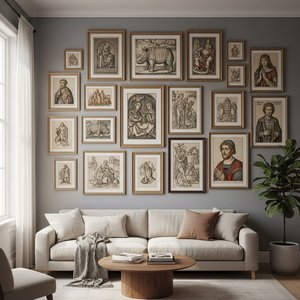
Master of the Renaissance: The Top 25 Greatest Artworks by Albrecht Dürer
Explore 25 iconic German Renaissance masterpieces by Albrecht Dürer. Discover the full collection online at OriginalUniqueArt.com.
German Renaissance Unlocked: The Bold Precision and Iconic Mastery of Albrecht Dürer Reimagined
Discover the bold precision of the German Renaissance. Explore the legendary mastery of Albrecht Dürer through expert art history insights and premium, hand-painted reproductions designed to bring iconic Northern Renaissance detail into your modern collection.

Albrecht Dürer: A Renaissance Master's Legacy of Innovation and Self-Portraiture
Explore the life & art of Albrecht Dürer, a pivotal German Renaissance master. Discover his groundbreaking printmaking techniques, iconic self-portraits, and lasting influence on Western art history. A deep dive into innovation & symbolism.
北文艺坛巅峰:十幅定义时代的艺术巨作 | OriginalUniqueArt
探索北文艺复兴的辉煌!本文精选十幅定义时代的艺术杰作,从凡·艾克到鲁本斯,揭秘大师背后的故事与技法。 感受文艺复兴的魅力,为您的家注入艺术灵感。 博物馆级复制品尽在OriginalUniqueArt.com,探索完整画集!

伦敦大英博物馆25幅杰作:艺术、历史与家居灵感 | OriginalUniqueArt
探索伦敦大英博物馆25幅传世杰作!深入了解艺术史、著名画家和经典绘画背后的故事。从埃及文物到印象派名作,OriginalUniqueArt为您呈现博物馆级艺术复制品与家居装饰灵感。立即在线探索完整系列!
