

 效果预览
效果预览
 分享
分享 分享
分享
 详情
详情

 下载
下载
 相似作品
相似作品 X射线
X射线 幻灯片播放
幻灯片播放 统计数据
统计数据St Wolfgang Altarpiece: Circumcision
 Oil On Panel
- Early Netherlandish
 1479
1479- Renaissance
 173.0 x 140.0 cm
 Parish Church
 展开详情
展开详情
艺术微喷/版画
博物馆级艺术微喷或帆布版画,制作高效,并提供多种饰面选择。 ( 购买手绘画作 切换至数字图像销售渠道)




P118B $10

P118H $10

P118W $10

P438Z $10

P508JH $12

P508YH $12

P805H $10

P805Z $10

P919BZ $10

P919G $10

P919XJ $10

P959ZH $10

P968JZ $12

W106C $8

W218G $10

W218JH $8

W218Y $10

W307PJ $10

W316G $10

W316PJ $8

W316Y $10

W398PJ $8

W4111J $10

W500HY $15

W500JH $15

W692G $12

W849H $8

W940BG $15

W953PJ $8




从与原作比例一致的预设尺寸中进行选择。

您可以输入自定义尺寸,以适配特定的画框或空间。如果您选择的尺寸与原图比例不符,我们将对作品进行裁剪,或通过镜像填充/纯色填充边缘的方式来扩展图像。在开始制作之前,我们会向您发送一份数字效果图供您确认。
请注意,屏幕上的预览并不能反映实际的裁剪或扩展效果。只有效果图才能准确展示最终的构图。
虽然我们提供定制尺寸,但为了保持原图比例,我们建议您从预设列表中选择尺寸。


 玻璃选项仅适用于110厘米以下的尺寸。

St Wolfgang Altarpiece: Circumcision
艺术微喷/版画
复制品尺寸
-


最终总价
$ 80
A Divine Encounter in Gold and Shadow
In the quiet majesty of the St Wolfgang Altarpiece: Circumcision, we are transported back to the year 1479, into a world where the sacred and the earthly collide with breathtaking intensity. This masterpiece by the Tyrolean master Michael Pacher is far more than a mere religious depiction; it is an immersive window into the soul of the Late Gothic era. As your eyes first meet the canvas, you are struck by a profound sense of solemnity. The scene unfolds within an opulent, Gothic-style chamber, where intricate vaulted ceilings and soaring arches create a cathedral-like atmosphere that commands reverence. At the heart of this architectural marvel lies the central drama: the presentation of the infant Jesus. Through a masterful use of chiaroscuro, Pacher illuminates the holy child, casting a divine glow that pierces through the rich, dramatic shadows of the chamber, drawing every viewer into the intimate gravity of the moment.
The technical brilliance of this work lies in Pacher’s unique ability to bridge two artistic worlds. Having been profoundly influenced by the revolutionary perspective of Andrea Mantegna during his travels to Italy, Pacher employs a rigorous linear perspective that breathes life and three-dimensional depth into the wood panel. This spatial precision allows the viewer to step through the ornate arches and navigate the complex layers of the scene. The technique is a triumph of the Early Netherlandish tradition; by layering thin, translucent glazes of oil paint, the artist achieves a luminous quality that makes the golds, deep reds, and earthy browns appear to glow from within. Every fold of heavy drapery and every delicate facial feature is rendered with a meticulousness that speaks to the painstaking devotion required of a Renaissance craftsman.
Symbolism and the Architecture of Faith
Beyond its visual splendor, the painting serves as a complex tapestry of theological meaning. The composition is intentionally pyramidal, a structural choice that provides an unshakable sense of stability and divine order. With the infant Jesus positioned at the apex, the hierarchy of the universe is made visible to the observer. The surrounding figures, including the imposing presence of King Herod, form a broad, grounded base that represents the weight of earthly power and the complexities of human history. This juxtaposition between the fragile, luminous infant and the heavy, ornate surroundings symbolizes the intersection of divine authority with the temporal world. The rich color palette—dominated by regal golds and deep crimsons—further reinforces themes of sanctity, sacrifice, and the enduring majesty of faith.
For the discerning collector or interior designer, this reproduction offers more than just a decorative element; it provides a focal point of profound historical and emotional resonance. The artwork’s ability to evoke both awe and introspection makes it an ideal centerpiece for spaces designed for contemplation, such as a private library, a formal study, or a grand salon. To possess a piece of this caliber is to invite the meticulous detail of the Renaissance into a modern environment, creating a dialogue between the timeless beauty of the 15th century and the sophisticated aesthetics of today. It is an invitation to experience the dramatic light, the intricate textures, and the enduring spiritual legacy of Michael Pacher’s incomparable vision.
艺术家简介
连接两个世界的蒂罗尔之桥
迈克尔·帕赫(Michael Pacher)约于1435年出生在博尔扎诺的阿尔卑斯山脉间,他是德语地区从哥特式艺术向蓬勃发展的文艺复兴精神过渡时期的关键人物。他不仅仅是一位艺术家,更是一位卓越的匠师,能够将绘画与雕塑、建筑与精细纹饰完美融合,创作出那些与其说是宗教器物,不如说是沉浸式的信仰与叙事世界的祭坛画。尽管他的早年生活仍笼罩在些许神秘之中——关于其最初受训的细节鲜为人知——但可以肯定的是,帕赫拥有一种与生俱来的天赋,这种天赋得益于15世纪中叶流经蒂罗洛地区的艺术潮流。他的艺术生涯在访问意大利帕多瓦时迎来了决定性的转折,在那里,他邂逅了安德烈亚·曼特尼亚(Andrea Mantegna)那具有革命性的湿壁画。这次接触带来了蜕变般的体验,赋予了他的作品对透视法和空间构图全新的理解——正是这些元素使他在众多同辈艺术家中脱颖而出。圣沃尔夫冈祭坛画:揭开杰作的面纱
帕赫的声望最稳固地建立在宏伟的圣沃尔夫冈祭坛画之上,该作品于1471年至1481年间为奥地利的一座朝圣教堂创作。这绝非仅仅是一幅绘画,而是一件精巧的多联画杰作,其设计初衷便是像神圣的叙事史诗般徐徐展开。祭坛画的天才设计允许三种不同的展示方式:一种用于日常礼拜,另一种更为华丽以供周日使用,而全展开的版本则专门为特殊的宗教节日预留。每种配置都揭示了耶稣与圣母玛利亚生平中不同的场景,并在描绘“圣母加冕为天后”的震撼中心面板达到高潮——那是一个散发着神圣威严的雕塑化场景。外侧的翼板则描绘了朝圣者与匠人守护神——圣沃尔夫冈本人的生平片段。学者们认为,他的兄弟弗里德里希·帕赫(Friedrich Pacher)可能参与了部分外侧面板的绘画,这彰显了其工作室内部的协作精神。真正让这部作品脱颖而出的是其宏大的规模、复杂的结构,以及无论是绘画元素还是精细雕刻人物中所展现出的惊人细节水平。这充分证明了帕赫同时驾驭多种艺术门类的非凡能力。跨界融合:绘画、雕塑与建筑愿景
除了圣沃尔夫冈祭坛画,帕赫在如教会圣师祭坛画等作品中,进一步展示了他对艺术形式独特的综合处理能力,该作约于1483年为诺伊施蒂夫修道院完成。在这里,他大师般地模糊了绘画与雕塑的界限,创造出一种统一的艺术体验。那些庄严的教会圣师形象仿佛正从壁龛中走出来,充满了真切的存在感。帕赫对光影操控的精湛技艺进一步增强了这种效果,为构图增添了深度与写实感。他不仅仅是在描绘空间,更是在祭坛画结构的限制之内“创造”了空间。这种创新的方法深刻影响了随后北欧的艺术家一代,他们纷纷效仿他将多种艺术技法整合为和谐统一整体的能力。传承与深远影响
到1467年,帕赫已在布吕内克建立了一个繁荣的工作室,成为蒂罗洛艺术界的一颗璀璨明星。他曾接受过来自多个宗教团体的委托,包括约1484年萨尔茨堡的方济各会。遗憾的是,由于战争与自然灾害,他的许多作品随着时间的流逝而损毁或失踪——这成为了艺术遗产脆弱性的凄美提醒。尽管面临这些损失,幸存下来的杰作依然作为帕赫卓越天赋与创新精神的永恒见证而屹立不倒。他是一位真正的先驱,成功地架起了北欧哥特式艺术的表现形式与新兴意大利文艺复兴绘画原则之间的桥梁。他的遗产不仅在于其作品的美感与技术上的辉煌,更在于他能够锻造出一种独特的个人风格,这种风格在几个世纪后依然能令观者着迷并深受启发。帕赫的作品代表了艺术史上一个至关重要的时刻——那是一个传统与创新交汇、孕育出全新艺术可能性的时代。
迈克尔·帕赫尔
1435 - 1498 , 意大利
艺术家简介
- Artistic Movement Or Style: 文艺复兴与哥特式
- Artists Or Movements Influenced By This Artist: ['北欧艺术家']
- Artists Who Influenced This Artist: ['安德烈亚·曼特尼亚']
- Date Of Birth: 约 1435 年
- Date Of Death: 1498 年
- Full Name: 迈克尔·帕赫尔
- Nationality: 提洛尔人
- Notable Artworks:
- 圣沃尔夫冈祭坛画
- 教会教父祭坛画
- 拉撒路复活
- 圣母加冕
- Place Of Birth: 意大利,博尔扎诺
相关文章

埃尔·格列柯25幅杰作:探索艺术大师的信仰与火焰
探索埃尔·格列柯25幅杰作,领略这位西班牙画家巴洛克风格的宗教绘画魅力。从《圣塞巴斯蒂安》到《沉思者》,感受信仰与艺术的交融。OriginalUniqueArt.com提供高品质油画复制品,为您的家居装饰增添经典之美!探索完整系列作品。

Early Netherlandish Masters: 10 Paintings That Revolutionized Art & Decor
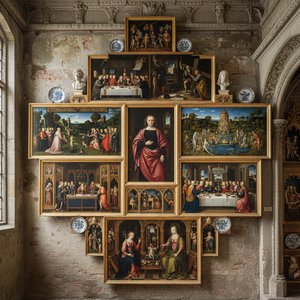
Journey into the Early Netherlandish Renaissance! Explore 10 iconic paintings by Jan van Eyck, Rogier van der Weyden & more. Discover stunning detail, symbolism, and oil painting techniques. Find museum-quality art reproductions for your home at OriginalUniqueArt.com.
十五至十六世纪早期尼德兰绘画:现实主义曙光与象征意义探析
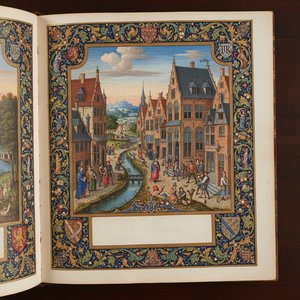
深入探索十五至十六世纪早期尼德兰绘画的艺术魅力!解读油画技法革新、象征主义隐秘语言,赏析扬·凡·艾克等大师杰作。专业分析,助您领略北方文艺复兴的开端与对后世艺术的影响。

Early Netherlandish Masters: 10 Paintings That Revolutionized Art & Decor
Journey into the world of Early Netherlandish painting! Explore 10 masterpieces by Jan van Eyck, Rogier van der Weyden & more. Discover stunning detail, symbolism & Renaissance art for your home decor. Find museum-quality reproductions on OriginalUniqueArt.com