
 发送
发送 分享
分享
 详情
详情 指南
指南

 下载图片
下载图片
 相似作品
相似作品 幻灯片播放
幻灯片播放 统计数据
统计数据Lois O
 Photography
- Photo
- Contemporary Realism
 2008
2008 30.0 x 30.0 cm
 艺术画廊悉尼州澳大利亚
 阅读全文
阅读全文
艺术微喷/版画
博物馆级艺术微喷或帆布版画,制作高效,并提供多种饰面选择。 ( 订购此收藏品的纯手工复刻画作 切换至数字图像销售渠道)




































您可以从与原作比例一致的预设尺寸中进行选择。

请输入您所需的宽度和高度,以适配您的画框或墙面。由于印刷品只能进行裁剪,无法超出原图尺寸,因此若比例不一致,画面的一部分将会被裁切。在正式印刷之前,我们会为您发送一份数字效果图供您确认。本页面显示的图片并非最终裁剪后的效果——只有效果图才能展示真实的裁剪情况。


 玻璃选项仅适用于110厘米以下的尺寸。

Lois O
艺术微喷/版画
复刻品尺寸说明
-


总计金额
¥ 538
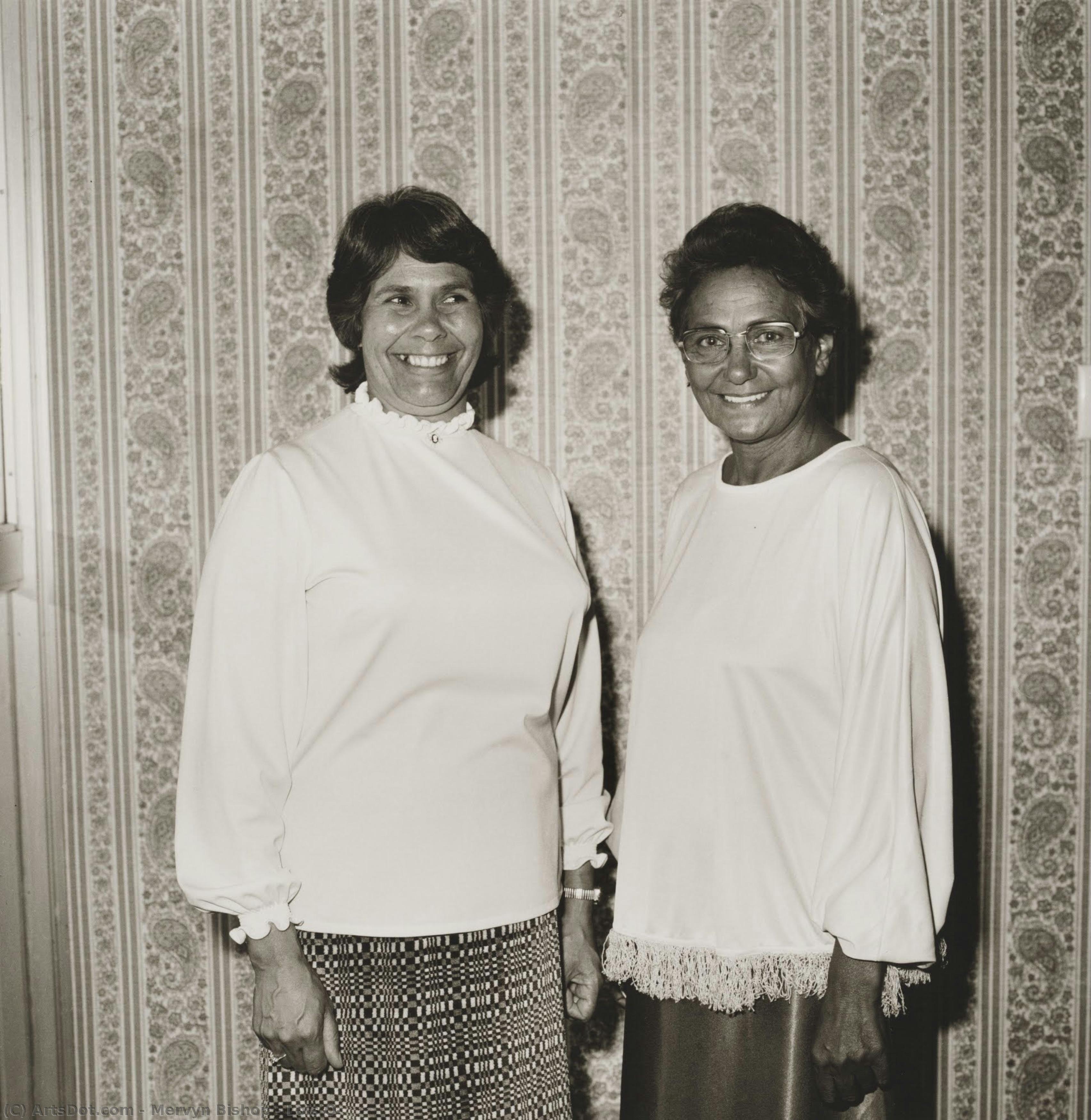
A Window Into Resilience: Mervyn Bishop’s ‘Lois O’Donoghue CBA, AM, and Oodgeroo Noonuccal’
Mervyn Bishop's 1974 photograph, “Lois O’Donoghue CBA, AM, and Oodgeroo Noonuccal,” transcends the simple act of portraiture; it’s a deliberate intervention in the historical record. More than just capturing two remarkable women, Bishop confronts the persistent erasure of Indigenous voices within Australian visual culture. The image, rendered in the starkly beautiful tones of black and white, feels both immediate and deeply resonant, inviting viewers to contemplate the complexities of identity, activism, and the ongoing struggle for recognition.
The photograph’s power lies not just in its subject matter – Lois O’Donoghue, a pioneering figure in Aboriginal affairs and government service, and Oodgeroo Noonuccal, a celebrated poet, educator, and political activist – but also in Bishop's masterful composition. The women are positioned centrally within the frame, their gazes meeting with an unspoken understanding. Their shared presence creates a visual anchor, suggesting solidarity and mutual respect. The subtle tilt of their heads, the slight asymmetry of their postures, imbue the image with a sense of quiet dignity and strength.
A Technical Portrait of Time
Bishop’s technical approach is deliberately rooted in the traditions of documentary photography, yet imbued with a sensitivity that elevates it beyond mere reportage. The photograph utilizes a gelatin silver print process, resulting in a grainy texture that speaks to the materiality of the image itself – a tangible record of a specific moment in time. The lighting is soft and diffused, casting gentle shadows that accentuate the contours of their faces and clothing, revealing the wisdom etched into their features. The choice of a straightforward, frontal perspective underscores the directness of the encounter, fostering a sense of intimacy with the subjects.
Notably, the image’s composition avoids any overtly theatrical elements. There's no elaborate backdrop or carefully arranged props; instead, Bishop focuses on capturing the essence of the women within their natural environment – a simple, patterned wallpaper providing a subtle yet effective visual context. The wallpaper, with its vertical stripes in shades of brown and cream, acts as a grounding element, anchoring the figures while simultaneously hinting at the broader social landscape they inhabit.
Symbolism and Historical Context
The photograph’s significance extends far beyond its aesthetic qualities. It emerged during a pivotal period in Australian history – the 1970s – a time of intense debate surrounding land rights, Indigenous self-determination, and the legacy of colonialism. O’Donoghue's work as a director within the Department of Aboriginal Affairs represented a crucial step towards greater inclusion and recognition for Indigenous Australians within government structures. Noonuccal’s poetry and activism challenged dominant narratives and demanded justice for her people.
By juxtaposing these two powerful women, Bishop subtly critiques the historical tendency to marginalize Indigenous voices in official representations. He offers a counter-narrative – a portrait of resilience, intellect, and unwavering commitment to social change. The photograph’s deliberate framing serves as an act of resistance against the dominant visual tropes that have historically misrepresented Indigenous Australians.
Emotional Resonance and Lasting Impact
“Lois O’Donoghue CBA, AM, and Oodgeroo Noonuccal” is a profoundly moving image. It evokes feelings of warmth, connection, and quiet dignity. The women's warm smiles suggest a shared sense of purpose and mutual respect. The photograph invites viewers to contemplate the enduring legacy of these remarkable individuals and their contributions to Australian society.
More than just a historical document, Bishop’s portrait is a testament to the power of photography as a tool for social justice and cultural preservation. It stands as a poignant reminder of the importance of amplifying marginalized voices and celebrating the strength and resilience of Indigenous communities.
艺术家简介
开拓者的镜头:梅文·毕肖普的生命与艺术
梅文·毕肖普(Mervyn Bishop)的摄影生涯不仅仅是一段职业历程,更是一部打破壁垒、记录历史并为澳大利亚原住民发声的壮丽史诗。1945年,他出生于新南威尔士州的布雷瓦里纳,早年的生活深受战后澳大利亚复杂局势以及影响原住民社区的限制性政策的影响。他的父亲“敏蒂”·毕肖普是一位退伍军人兼剪羊毛工,在那个即便为国家效过力的群体也必须被迫同化的体制下艰难求生。这种家庭背景——一个在默默抵制文化抹除的同时努力追求常态生活的家庭——深刻地塑造了毕肖普的视角,并最终渗透进他的艺术灵魂之中。摄影的火种在他母亲那台柯达620相机中被点燃,那些平凡的日常场景在他的镜头下化作珍贵的记忆,为他终身的热爱奠定了基石。在前往杜博高中接受正式学习之前,他便通过自学磨炼技艺,捕捉着布雷瓦里纳周围家庭生活的本质神韵。开创时代:于新闻业中锻造的职业生涯
1962年,毕肖普打破了所有人的预期,成为《悉尼晨报》首位原住民澳大利亚摄影学徒。这不仅仅是一项个人成就,更象征着对主流媒体内部系统性排斥现象的一次有力拆解。在随后的十七年里,他穿梭于新闻摄影的世界,记录从社区盛事到体育辉煌的一切瞬间。在此期间,他在悉尼技术学院完成了摄影证书课程,进一步巩固了他的专业技术。毕肖普的专注与敏锐的洞察力很快为他赢得了业界认可,并在1971年凭借作品《生死冲刺》(Life and Death Dash)荣获久负盛名的尼康-沃克利年度澳大利亚新闻摄影师奖。这张震撼人心的影像——记录了一位修女奔向救助一名原住民儿童的瞬间——绝非仅仅是一张新闻照片,它更是对社会不平等以及原住民社区与宗教传教站之间复杂关系的深刻批判。其构图、对比度与原始的情感冲击力引发了深远的共鸣,预示着他的作品将对澳大利亚社会产生深远影响。在任职期间,他始终是《晨报》唯一的原住民摄影师,为后世的原住民视觉叙事者开辟了道路。记录一个国家:原住民事务部岁月
1974年,毕肖普转入原住民事务部,这标志着其职业生涯的一个关键转折。这一职位使他获得了前所未有的机会,在澳大利亚发生重大变革与民族自决意识觉醒的时期,深入接触各地的原住民社区。他成为了希望的记录者,以敏感且充满尊重的态度,记录着土地权利谈判、文化复兴运动以及原住民人民的日常生活。正是在这段时期,他捕捉到了其职业生涯中最具标志性的瞬间:1975年,总理高夫·惠特拉姆在瓦蒂溪将土地象征性地交还给格林吉长老文森特·林吉亚里。这一时刻——土地回归的象征性行为——超越了其即时的历史背景,成为了澳大利亚土地权利运动持久的象征,也是原住民韧性的有力见证。这张照片不仅仅是在记录一个事件,它更捕捉到了原住民与政府关系进入新时代的诞生时刻。影像之外:影响力、传承与持续的冲击力
梅文·毕肖普的影响力远超其个人摄影作品本身。他不仅是在记录历史,更是在积极地塑造历史的叙事。他的作品挑战了普遍存在的刻板印象,培养了社会的同理心,并为那些在主流媒体中经常被边缘化的原住民声音提供了展示平台。1979年,他重返《悉尼晨报》,随后在1986年投身自由摄影领域,并与国家地理学会等机构合作。他还致力于教育事业,曾在特兰比原住民学院、埃奥拉学院以及悉尼大学的铁棚画廊授课,培养了新一代的原住民摄影师。由翠西·莫法特策展的追溯展《梦境:梅文·毕肖普,三十年摄影纪实(1960–1990)》曾在国内外巡展长达十年,巩固了他作为澳大利亚艺术与新闻摄影领军人物的地位。此外,他还曾担任菲尔·诺伊导演电影《兔阻围栏》(2002)的剧照摄影师,为文化景观做出了贡献。澳大利亚艺术委员会在2000年授予他红赭石奖(Red Ochre Award),以表彰其开拓性的工作;但或许他最伟大的遗产在于影像中那持久的力量,以及他不断传递的精神激励。近期在新南威尔士州美术馆举办的回顾展进一步确立了他的重要地位,不仅展示了他标志性的新闻摄影作品,还通过那些私密的家庭照片,揭示了他艺术愿景背后的个人根源。- 所获荣誉:尼康-沃克利年度澳大利亚新闻摄影师奖 (1971),澳大利亚艺术委员会红赭石奖 (2000)。
- 核心主题:原住民身份、社会正义、土地权利、文化保护。
- 艺术影响:其家族历史与在布雷瓦里纳成长的经历,以及20世纪70年代蓬勃发展的原住民权利运动。

默文·毕肖普
1945 - , 澳大利亚
快速概览
- Artistic Movement Or Style: 新闻摄影, 纪实摄影
- Date Of Birth: 1945年7月
- Full Name: Mervyn Bishop
- Nationality: 澳大利亚
- Notable Artworks:
- 《生与死的冲刺》(1971)
- 《惠特拉姆倾倒土壤》(1975)
- Place Of Birth: 澳大利亚,布雷瓦里纳
相关文章
Timeless Shadows: The Artistry, History, and Emotional Resonance of Black and White Photography
Explore the profound artistry of black and white photography. From historical mastery to the interplay of light and shadow, discover how monochrome captures timeless emotion and form through a sophisticated lens of art history.

Beyond the Lens: Photography's Enduring Influence on Modern & Contemporary Art
Explore photography's pivotal role in shaping modern & contemporary art. Discover key movements, influential artists like Stieglitz, and expert collecting advice from OriginalUniqueArt.

Dark Masterpieces: 10 Iconic Paintings Dominated by Black Tones |
Explore 10 iconic paintings dominated by black tones, from Rembrandt’s chiaroscuro to Goya's dark expressions. Discover the stories behind these masterpieces & find museum-quality art reproductions for your home at .

Monochrome Visions: Exploring the Aesthetic & Historical Significance of Black & White Photography
Explore the rich history & artistic power of black and white photography. From early techniques to iconic masters like Ansel Adams, discover why monochrome continues to captivate art lovers today. Expert insights for collectors.
Beyond Color: The Timeless Power and Artistry of Black and White Photography
Explore the profound artistry of black and white photography. From the chemistry of gelatin silver to the chiaroscuro of the Old Masters, discover how monochrome captures the eternal essence of light, form, and emotion for the discerning art collector.