

 实景预览
实景预览
 发送
发送 分享
分享
 详情
详情 指南
指南

 下载图片
下载图片
 相似作品
相似作品 X射线
X射线 幻灯片播放
幻灯片播放 统计数据
统计数据marian flowerpiece


 阅读全文
阅读全文
艺术微喷/版画
博物馆级艺术微喷或帆布版画,制作高效,并提供多种饰面选择。 ( 订购此收藏品的纯手工复刻画作 切换至数字图像销售渠道)




P118B ¥10

P118H ¥10

P118W ¥10

P438Z ¥10

P508JH ¥12

P508YH ¥12

P805H ¥10

P805Z ¥10

P919BZ ¥10

P919G ¥10

P919XJ ¥10

P959ZH ¥10

P968JZ ¥12

W106C ¥8

W218G ¥10

W218JH ¥8

W218Y ¥10

W307PJ ¥10

W316G ¥10

W316PJ ¥8

W316Y ¥10

W398PJ ¥8

W4111J ¥10

W500HY ¥15

W500JH ¥15

W692G ¥12

W849H ¥8

W940BG ¥15

W953PJ ¥8




您可以从与原作比例一致的预设尺寸中进行选择。

请输入您所需的宽度和高度,以适配您的画框或墙面。由于印刷品只能进行裁剪,无法超出原图尺寸,因此若比例不一致,画面的一部分将会被裁切。在正式印刷之前,我们会为您发送一份数字效果图供您确认。本页面显示的图片并非最终裁剪后的效果——只有效果图才能展示真实的裁剪情况。


 玻璃选项仅适用于110厘米以下的尺寸。

marian flowerpiece
艺术微喷/版画
复刻品尺寸说明
-


总计金额
¥ 538
A Symphony of Blooms: Exploring Hans Memling’s *Marian Flowerpiece*
Marian Flowerpiece by Hans Memling is a captivating still life that transcends mere botanical representation. Executed with the meticulous detail characteristic of the Early Netherlandish masters, this painting offers a glimpse into the artistic sensibilities and material culture of 15th-century Bruges. It’s a work that invites contemplation not just on its aesthetic beauty, but also on the burgeoning interest in naturalism within Renaissance art.Subject & Composition: A Moment Frozen in Time
The artwork centers around a lavish arrangement of purple and white flowers spilling from a ceramic pitcher. This vessel rests upon a richly patterned Persian-style rug, grounding the composition and adding layers of texture and visual interest. The vertical orientation emphasizes the height of the floral display, drawing the viewer’s eye upwards. Memling masterfully employs one-point perspective, creating depth and focusing attention on the central arrangement. The deliberate inclusion of the rug isn't merely decorative; it speaks to the wealth and sophisticated tastes of the patron class who commissioned such works.Technique & Style: The Brilliance of Early Netherlandish Painting
Memling’s technique is a hallmark of his style – an exquisite blend of realism and subtle artistry. He utilizes oil paint with visible brushstrokes, creating a tactile quality that brings the flowers, vase, and rug to life. The dramatic lighting, *chiaroscuro*, casts strong contrasts between light and shadow, accentuating textures and forms. This technique was revolutionary for its time, allowing artists to achieve unprecedented levels of detail and realism. Memling’s work falls squarely within the tradition of Early Netherlandish painting, known for its meticulous attention to detail, symbolic depth (though less overt in this piece), and innovative use of oil paint.Historical Context: Bruges & The Rise of Still Life
Hans Memling flourished in Bruges during a period of immense artistic and economic prosperity. As a prominent center for trade and commerce, Bruges attracted artists from across Europe, fostering an environment of innovation and exchange. While not a fully independent genre at this time, still life painting was gaining prominence as a vehicle for demonstrating technical skill and celebrating the beauty of the natural world. Memling’s patrons were often wealthy merchants, clergymen, and aristocrats who appreciated such displays of artistry and refinement.Symbolism & Interpretation: Beyond Surface Beauty
While *Marian Flowerpiece* doesn't present overtly religious symbolism like many of Memling’s other works, the flowers themselves carry inherent meanings. Lilies often symbolize purity and the Virgin Mary, while violets can represent humility. The rug, originating from Persia, signifies luxury and global trade connections. However, it is important to note that this painting primarily functions as a celebration of beauty for its own sake – a testament to Memling’s skill in capturing the ephemeral elegance of nature.Emotional Impact & Aesthetic Appeal
The painting evokes a sense of tranquility and refined beauty. The rich colors, delicate textures, and masterful composition create a visually stunning experience. It's a work that invites quiet contemplation, offering a moment of respite from the bustle of everyday life. For collectors and interior designers, *Marian Flowerpiece* offers a timeless elegance that complements both traditional and contemporary settings. A reproduction would bring a touch of Renaissance sophistication to any space, serving as a focal point for conversation and admiration.Key Characteristics
- Style: Early Netherlandish Painting, Still Life
- Technique: Oil on Canvas with Visible Brushstrokes
- Color Palette: Deep Browns, Reds, Purples, and White
- Composition: Vertical Orientation, One-Point Perspective
- Period: 15th Century (circa 1470-1490)
问答详情
是否有关于 汉斯·梅姆林 的《marian flowerpiece》 的幻灯片展示?
您可以在作品的幻灯片播放页面上观看“marian flowerpiece”的幻灯片展示。
“marian flowerpiece”是用什么材质制作的?
汉斯·梅姆林 在作品《marian flowerpiece》中运用了 Oil On Canvas 技法。该技法界定了原作的材质特性。
对于 汉斯·梅姆林 的《marian flowerpiece》,有哪些推荐的用途和陈列空间?
建议将“marian flowerpiece”用于Accent,推荐摆放空间为Living Room。
艺术家简介
汉斯·曼林:布鲁日大师的细节与赞助
汉斯·曼林(约1430年 – 15世纪8月11日),出生于德国塞利根施塔特,是早期尼德兰绘画运动中的关键人物——这一运动以精致的现实主义、对自然的细致观察和深刻的精神沉思为特征。尽管他的 formative years 主要在莱茵地区的艺术氛围中度过,但曼林的轨迹最终将他带到了比利时的布鲁日,在那里他确立了自己作为同时代最杰出艺术家的地位,并建立了一个繁荣的工作室,将他独特的风格传播到欧洲各地。- 早年生活与学徒生涯:关于曼林出生地点的具体传记细节仍然难以考证,但学术界普遍认为他大约于1430年前后在美因茨出现。他的艺术教育始于罗吉尔·范德韦登的指导下,范德韦登是佛兰德绘画的泰斗,他对油画和雕塑建模的精湛技艺深刻影响了曼林的技巧。这次学徒生涯在他身上灌输了一种对细节毫不动摇的奉献精神——这成为定义他作品的标志。
- 布鲁日与工作室:到1465年,曼林在布鲁日获得了公民身份,布鲁日是一个新兴的商业中心和艺术中心。他认识到合作创作的潜力,建立了一个由众多助手组成的工作室,营造了一种创新和风格一致的环境。这个工作室因制作令人惊叹的大师作品复制品而闻名——这证明了曼林作为艺术家和教育家的技艺。
一种以精确与赞助为特征的风格
曼林的艺术风格立刻就能被辨认出来:其特点是明亮的色彩、精致地描绘的褶皱以及惊人的解剖精度。他仔细研究人体解剖学——从古典雕塑中汲取灵感——以在肖像画和宗教场景中达到无与伦比的现实主义。与许多同时代艺术家偏爱表现性的笔触不同,曼林优先考虑细致的观察和一丝不苟的执行,从而创作出充满宁静之美和深刻精神深度的图像。- 宗教委托:由于富裕赞助人的有利委托——主要是神职人员和贵族家庭——寻求能够引起虔诚和声望共鸣的圣人和圣经故事的描绘,曼林的声誉不断提高。值得注意的例子包括布鲁日圣约翰医院的《最后的审判》,这是一幅巨大的壁画,展示了曼林精湛的构图技巧和戏剧性的色彩运用。
- 肖像画:曼林擅长肖像画,能够以非凡的敏感性和心理洞察力捕捉重要人物的容貌。他的肖像画——例如《箭中男子肖像》——展示了他通过微妙的手势和面部表情来传达性格的能力——这项技能巩固了他在那个时代最伟大的艺术家之列。
影响与遗产
曼林的艺术遗产远远超出了他自己的生命。他的工作室制作了大量的绘画作品——许多都具有与其原始作品相似的风格特征——这些作品传播了曼林独特的审美观到佛兰德及其他地区。此外,曼林一丝不苟的技巧也为后来的艺术家提供了灵感——特别是昆汀·马西斯,他建立了安特卫普画派——巩固了曼林在佛兰德文艺复兴艺术中的地位。重新发现与持久的声誉
曼林的艺术成就直到19世纪才被人们广泛认识,当时学者们重新发现了他的绘画作品并赞扬了他的天才。今天,曼林的作品——特别是《最后的审判》——继续吸引着世界各地的观众,成为艺术卓越和精神沉思的永恒象征。他对细节的关注以及对人类心理的深刻理解在当代对艺术史的欣赏中仍然具有非凡的相关性。他的作品是早期尼德兰绘画的杰出代表,体现了那个时代对现实主义、宗教虔诚和赞助人需求的独特融合。
汉斯·梅姆林
德国
快速概览
- 全名: 汉斯·曼林
- 出生地: 德国塞利根施塔特
- 出生日期: 约1430年
- 受此艺术家影响的艺术家或流派: ['佛兰德原始绘画']
- 国籍: 德裔佛兰德人
- 影响此艺术家的艺术家: ['罗吉尔·范·德·韦登']
- 艺术运动或风格: 早期尼德兰绘画
- 著名作品:
- 圣约翰医院祭坛画
- 最后的审判
- 受难场景
- 逝世日期: 1494年8月11日
相关文章
Oil on Board Masters: 10 Paintings That Redefined Art | OriginalUniqueArt
Explore 10 legendary 'Oil on Board' masterpieces by Van Gogh, Monet & more! Discover art history, iconic styles like Impressionism, and find museum-quality reproductions to elevate your home decor. Explore the full collection online at OriginalUniqueArt.com.
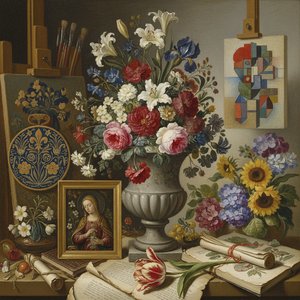
Blossoming Symbolism: A Historical Journey Through Flowers in Western Painting
Explore the rich history of flower symbolism in Western painting! Discover how artists from the Renaissance to Modernism used blossoms to convey meaning, emotion & beauty. Learn about iconic artworks and movements.

The Enduring Legacy of Oil on Canvas: Technique, History & Aesthetic Impact
Explore the rich history & techniques of oil painting – from Renaissance masters to Impressionism. Discover pigments, layering methods, and why this timeless medium endures. Expert insights for artists & art enthusiasts.

Oil on Canvas: A Historical & Technical Exploration of a Timeless Artistic Medium
Explore the rich history & enduring techniques of oil painting on canvas. Discover the science behind its longevity, conservation practices, and contemporary relevance. Expert insights for art enthusiasts.

Silent Narratives: Exploring the Enduring Appeal of Still Life Painting Across Centuries
Explore the rich history of still life painting with OriginalUniqueArt. Discover Dutch Masters, decode vanitas symbolism & learn about collecting timeless art. Expert insights and museum-quality reproductions.


