

 效果预览
效果预览
 分享
分享 分享
分享
 详情
详情

 下载
下载
 相似作品
相似作品 X射线
X射线 幻灯片播放
幻灯片播放 统计数据
统计数据Steelworks
 Oil On Canvas
- WallArt
- Neo-Impressionism
 1895
1895- 19th Century
 116.0 x 89.0 cm
 Musee du Petit Palais
 展开详情
展开详情
手工油画复制品
由我们的艺术家按需定制,为您提供您所选尺寸及画框的布面手工油画。 ( 切换至版画销售渠道 切换至数字图像销售渠道)




P118B $10

P118H $10

P118W $10

P438Z $10

P508JH $12

P508YH $12

P805H $10

P805Z $10

P919BZ $10

P919G $10

P919XJ $10

P959ZH $10

P968JZ $12

W106C $8

W218G $10

W218JH $8

W218Y $10

W307PJ $10

W316G $10

W316PJ $8

W316Y $10

W398PJ $8

W4111J $10

W500HY $15

W500JH $15

W692G $12

W849H $8

W940BG $15

W953PJ $8




从与原作比例一致的预设尺寸中进行选择。

您可以输入自定义尺寸,以适配特定的画框或空间。如果所选尺寸与原图比例不符,我们将通过裁剪作品或添加手绘元素来扩展画面。数字样稿将在制作开始前发送给您确认。
请注意,屏幕预览无法准确反映实际的裁剪或扩展效果,只有样稿才能真实呈现最终的构图。
虽然我们提供定制尺寸服务,但为了保留原作比例,建议您从预设列表中选择尺寸。
下单后,OriginalUniqueArt.com 团队将通过电子邮件联系客户获取具体要求,并提供效果预览图。


 玻璃选项仅适用于110厘米以下的尺寸。

Steelworks
复制材质
复制品尺寸
-


最终总价
$ 300
The Genesis of Steelworks: An Industrial Symphony
Maximilien Luce’s “Steelworks” isn't merely a depiction of a factory; it’s a visceral encounter with the heart of industrial progress – a moment frozen in time where raw power, human endeavor, and the elemental forces of fire converge. Painted in 1895 during a period of rapid technological advancement in France, this monumental oil on canvas transcends its subject matter to become a profound meditation on labor, modernity, and the very soul of the working class. Luce, deeply influenced by the social currents of his era and possessing an innate sensitivity to urban life, sought to capture not just the mechanics of steel production but also the human cost and dignity embedded within it. The painting’s genesis lies in a visit to the Marcinelle ironworks in Belgium, a site that profoundly impacted Luce's artistic vision – a place where the clang of machinery and the heat of furnaces seemed to pulse with an almost primal energy.

A Pointillist Revelation: Technique and Visual Language
Luce’s masterful execution is immediately apparent in “Steelworks.” He employs a technique that blends elements of Impressionism with the burgeoning principles of Neo-Impressionism, particularly Pointillism. Rather than blending colors directly on the canvas, Luce meticulously applied tiny dots of pure pigment – a method championed by Seurat and Signac – creating an optical illusion of color mixing when viewed from a distance. This technique lends the painting a remarkable luminosity and vibrancy, capturing the intense light and heat radiating from the furnace with breathtaking accuracy. The deliberate use of small brushstrokes, combined with the precise placement of each individual dot, generates a shimmering surface that seems to vibrate with energy. The composition itself is carefully structured; Luce utilizes strong diagonals – created by the furnace’s flames and the workers' postures – to draw the viewer’s eye through the scene, emphasizing the dynamism and intensity of the industrial process.
Decoding the Scene: Workers, Symbolism, and Social Commentary
The painting depicts a group of nine men working in close proximity to the furnace. Their faces are etched with fatigue, their bodies bent by labor, yet they maintain an air of stoic dignity. Luce doesn’t romanticize their toil; he presents it honestly, capturing the physical strain and mental exhaustion inherent in industrial work. The inclusion of details – hats worn by the workers, a fire hydrant strategically placed within the scene, and the suggestion of a bustling factory environment – adds layers of authenticity and context. The painting subtly critiques the dehumanizing aspects of industrialization, highlighting the sacrifices made by these men to fuel the progress of modern society. Luce’s choice to portray them not as nameless cogs in a machine but as individuals with distinct personalities and expressions elevates their status, imbuing the scene with a sense of human empathy.
Echoes of the Past: Historical Context and Legacy
“Steelworks” was created during a period of profound social and economic transformation in Europe. The late 19th century witnessed an unprecedented surge in industrial production, driven by technological innovation and fueled by the relentless pursuit of profit. This era also saw growing concerns about the working conditions of laborers – issues that were increasingly addressed through art and literature. Luce’s painting reflects these anxieties, offering a poignant glimpse into the lives of those who toiled within the factories and mills of the industrial age. The work resonates with earlier depictions of labor by artists like Constantin Meunier, particularly his sculptures “Le Mineur accroupi” and “Le Puddleur,” which similarly explored themes of fatigue and hardship. Luce’s painting stands as a testament to the enduring power of art to document social realities and provoke critical reflection.
Bringing Steelworks Home: Reproduction and Artistic Appreciation
Our meticulously crafted oil painting reproductions capture the essence of Luce's original masterpiece, allowing you to bring this powerful work into your own space. Each reproduction is created using archival-quality materials and techniques, ensuring that it will retain its vibrancy and beauty for generations to come. Whether adorning a modern loft or a classic study, “Steelworks” serves as a striking reminder of the human spirit’s capacity for resilience and innovation – a timeless symbol of industry, labor, and the enduring legacy of Maximilien Luce.
艺术家简介
巴黎的灵魂:马克西米连·吕斯的生平和艺术
马克西米连·吕斯,1858年出生于巴黎,是一位与时代社会和艺术潮流紧密相连的画家。他早年的生活在蒙马特尔工人阶级社区度过,这赋予了他对城市存在现实的敏感性——这一主题贯穿了他多产的事业。 1872 年最初学徒于一位木刻师,吕斯磨练了对细节的细致关注以及对线条和形式的欣赏能力,这些技能后来影响了他的色彩和光线的探索。这种基础训练不仅仅是技术性的;它将他与深深参与社会评论的版画艺术传统联系起来,为他自己具有政治色彩的艺术之旅奠定了舞台。 他通过晚间课程继续他的教育,吸收了绘画原理的基础知识,为他最终向绘画过渡奠定了基础。 1871 年巴黎公社在他年轻时见证,在他的意识中留下了不可磨灭的印记,培养了他终生的无政府主义理想和社会正义——这些信念将始终体现在他的艺术选择中。从印象派到新印象派及以后
吕斯的艺术演变以不安分的实验精神和拥抱新方法的意愿为特征。 他最初是印象派画家,着迷于光影的短暂效果,但很快转向了更具科学严谨性的新印象派。 乔治·修拉和保罗·西涅克的影响至关重要;他在像《普瓦西塞纳河岸》(1895)这样的作品中采用了他们的点彩技术——细致地运用纯色小点。 在这个时期,他一丝不苟地解剖光线和色彩,努力通过光学混合来实现和谐的视觉体验。 然而,吕斯并非仅仅是一位追随者; 他将新印象派注入了他自己独特的感性,经常关注工业劳动和城市生活——这些主题很少被他的同时代人探索。 他毫不回避描绘现代存在的严酷现实,与一些同伴所青睐的更田园风光形成鲜明对比。 在他职业生涯后期,他远离了严格的点彩主义,拥抱了一种更加自由、更具表现力的风格,这种风格保留了色彩的活力,但允许更大的情感强度。 这种持续的演变证明了吕斯对艺术探索的承诺以及他拒绝被任何单一审美教条所束缚。现代性的见证者:主题和技巧
吕斯的作品是19世纪末和20世纪初法国引人入胜的编年史。 他着迷于工业化的变革力量,以毫不动摇的目光描绘工厂、建筑工地和熙熙攘攘的城市景观。 他的画作不仅仅是对这些场景的再现;它们充满了活力和能量感,捕捉了现代生活的节奏。塞纳河蜿蜒穿过巴黎及其周边乡村,成为他作品中的一个反复出现的主题——自然美与人类活动的象征。 他巧妙地捕捉了光线在水面上的相互作用,使用点彩技术创造出闪烁的表面和大气效果。 除了风景和城市景观之外,吕斯还探索了社会主题,经常以尊严和尊重描绘工人和劳动者。他对无政府主义原则的承诺在他的同情性刻画那些被社会边缘化的人身上显而易见。《马尔谢纳风景》(1896)例如,有力地描绘了法国北部工业景观,突出了它的美丽和严酷现实。 他还以描绘巴黎生活而闻名,包括咖啡馆、马戏团和公共集会的场景。遗产与认可
马克西米连·吕斯对艺术世界的贡献超越了他个人的画作。 作为独立艺术家协会的坚定成员——1909 年担任副主席,1935 年担任主席——他倡导艺术自由并为新兴艺术家提供了一个平台。 他对进步理想的承诺使他在先锋社区中成为一个受人尊敬的人物。 尽管他经历过相对默默无闻的时期,但他的作品近年来因其审美创新与社会意识的独特融合而越来越受到认可。 今天,吕斯的画作被世界各地著名的博物馆收藏,包括巴黎奥赛博物馆,作为他对持久艺术愿景的证明。 他捕捉一个快速变化时代精神的能力,结合了他精湛的技术和对信仰的不懈承诺,巩固了他在现代艺术史上的地位。他仍然是一位其作品继续引起当代观众共鸣的艺术家,为现代性的复杂性和艺术表达的持久力量提供了见解。- 博物馆收藏: 在奥赛博物馆和其他领先机构探索吕斯的作品。
- 在线资源: 通过维基百科和专门的艺术家数据库了解更多关于他的生活和艺术的信息。
- 关键主题: 在观看他的画作时,请考虑他反复出现的主题:工业化、城市生活和社会正义。
- 技术创新: 注意他对点彩主义的使用以及他后来对更具表现力的笔触的实验。

卢斯 (Lú Sī)
1858 - 1941
艺术家简介
- Artistic Movement Or Style: 新印象派,点彩画法
- Artists Who Influenced This Artist:
- 卡米耶·毕沙罗
- 乔治·修拉
- 保罗·西涅克
- Date Of Birth: 1858年3月13日
- Date Of Death: 1941年2月6日
- Full Name: 马克西米连·吕斯
- Nationality: 法国
- Notable Artworks (List Of Titles):
- 塞纳河畔的普瓦西
- 巴黎杜乐丽花园
- 安德利河上的塞纳河
- Place Of Birth (City And Country): 法国巴黎
相关文章
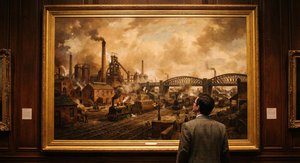
Industrial Revolution on Canvas: 10 Artworks That Define a Modern Aesthetic
Explore 10 iconic artworks capturing the Industrial Revolution’s grit & beauty. From Monet to Manet, discover realism, impressionism & powerful scenes of urban life. Find museum-quality reproductions for your home at OriginalUniqueArt.com.
The Enduring Legacy of French Art: Movements, Masters & Cultural Impact
Explore the rich history of French art, from the Salon to Impressionism & beyond. Discover iconic masters, key movements, and expert guidance for collecting timeless masterpieces. OriginalUniqueArt.
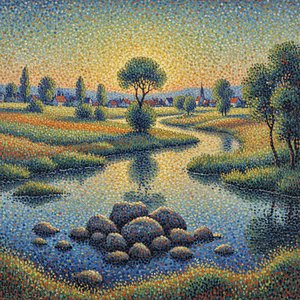
点彩主义:十九世纪色彩革命与永恒的艺术遗产
深入探索19世纪点彩主义的理论与实践,了解修拉、西涅克等大师的作品魅力。OriginalUniqueArt提供专业的艺术咨询、定制油画服务,助您领略色彩革命的永恒艺术遗产。

Impressionism's Masterpieces: 10 Paintings That Defined a Movement | OriginalUniqueArt
Journey through Impressionism's heart with 10 iconic paintings by Monet, Renoir & Degas. Explore light, color & the stories behind these masterpieces. Find museum-quality art reproductions and elevate your home decor on OriginalUniqueArt.com.
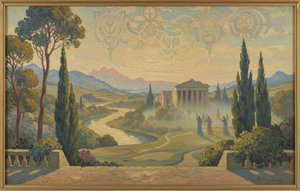
Henri Martin: A Synthesis of Impressionism & Symbolism in the French Landscape Tradition
Explore the captivating world of Henri Martin, a French Post-Impressionist bridging Impressionism & Symbolism. Discover his unique style, influential landscapes, and lasting legacy with OriginalUniqueArt.