切换至版画销售渠道
 展开全文
展开全文







































 对于任何边长超过 105 厘米(约 41 英寸)的艺术品或复制品,画框将以拆解后的组件形式发货。此方法可确保安全送达并防止运输过程中的损坏。


A Visionary Encounter in the Realm of the Unconscious
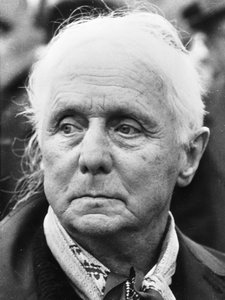
The canvas holds an arresting stillness, yet pulsates with a hidden, restless energy—a testament to the visionary approach of Max Ernst and his seminal work, “Ubu Imperator.” Painted in 1923 during the height of Dadaism and the burgeoning fervor of Surrealism, this monumental piece transcends mere representation; it is a deliberate provocation designed to unsettle the viewer and confront them with unsettling juxtapositions. Within this composition, we encounter a scene that feels plucked from a fever dream, where the boundaries between reality and the subconscious dissolve into a tapestry of strange, evocative forms.
At its heart, the painting presents a figure—presumably representing Ubu Imperator, the tyrannical ruler from Alfred Jarry’s absurdist drama—seated upon a throne constructed of interwoven branches. A disconcerting bird perches precariously atop this structure, serving as a poignant symbol of fragility and vulnerability juxtapared against the imposing, heavy grandeur of power. This tension highlights the inherent contradictions within human ambition and the precarious nature of authority. As the eye wanders through the detailed landscape, one might notice a clock dominating the composition, adding a layer of temporal anxiety to an otherwise timeless, dreamlike space.
The Alchemy of Texture and Technique
Ernst’s method was nothing short of revolutionary, abandoning traditional academic conventions in favor of an experimental process known as frottage. Deeply influenced by his fascination with psychoanalysis and Carl Jung's theories on the unconscious, Ernst meticulously rubbed pencil over textured surfaces—wood grain, fabric, even dried leaves—capturing their organic impressions onto the canvas beneath. This layering of textures is far from accidental; it serves as a conduit for accessing hidden realms of the imagination, mirroring the way the subconscious mind generates unexpected patterns and forms.
The resulting surface is riddled with subtle variations in tone and texture, creating an illusionistic depth that defies conventional perspective. For the collector or interior designer, this technique offers a tactile richness that brings a sense of movement and organic life to any space. The painting does not merely sit upon the wall; it breathes through its complex, scraped, and rubbed surfaces, inviting the viewer to lean closer and discover the secrets hidden within its many layers.
A Legacy of Rebellion and Surrealist Splendor
To possess a reproduction of “Ubu Imperator” is to hold a piece of art history that captures the very moment when the modern psyche began to explore its own shadows. Max Ernst, a primary pioneer of both Dada and Surrealism, used his work to grapple with the "why" of existence rather than just the "how." His refusal to adhere to formal training allowed him to invent entirely new visual languages, making his works timelessly relevant to contemporary tastes that value authenticity and psychological depth.
For those seeking to infuse a room with intellectual intrigue and emotional resonance, this piece offers an unparalleled opportunity. Whether placed in a sophisticated gallery-style living room or a curated study, the painting acts as a conversation starter—a window into a world where the bizarre becomes beautiful and the mechanical meets the organic. It is more than a decoration; it is an invitation to wonder, a fragment of a revolution that continues to captivate the modern soul.
常见问题与解答
马克·恩斯特 的《Ubu Imperator》 的色彩浓郁度如何?
马克·恩斯特 的《Ubu Imperator》 中的色彩呈现出 Vivid 的强度。
"Ubu Imperator" 是何时以及使用什么材料创作的?
"Ubu Imperator"创作于1923年,采用了Oil On Canvas技法。材质与日期说明了原作的创作方式及时间。
Surrealism 流派的作品 "Ubu Imperator" 源自哪个国家?
《Ubu Imperator》由出生于 德国 的 马克·恩斯特 在 Surrealism 运动背景下创作而成。艺术家的原籍地使这部作品与 德国 艺术家所实践的 Surrealism 风格紧密相连。
 实景预览
实景预览
 分享
分享 分享
分享
 详情
详情 指南
指南

 下载作品
下载作品
 相似作品
相似作品 X射线
X射线 幻灯片播放
幻灯片播放 Q&A
Q&A 统计数据
统计数据