

 实景预览
实景预览
 发送
发送 分享
分享
 详情
详情 指南
指南

 下载图片
下载图片
 相似作品
相似作品 X射线
X射线 幻灯片播放
幻灯片播放 统计数据
统计数据the entire city


 阅读全文
阅读全文
艺术微喷/版画
博物馆级艺术微喷或帆布版画,制作高效,并提供多种饰面选择。 ( 订购此收藏品的纯手工复刻画作 切换至数字图像销售渠道)




P118B $10

P118H $10

P118W $10

P438Z $10

P508JH $12

P508YH $12

P805H $10

P805Z $10

P919BZ $10

P919G $10

P919XJ $10

P959ZH $10

P968JZ $12

W106C $8

W218G $10

W218JH $8

W218Y $10

W307PJ $10

W316G $10

W316PJ $8

W316Y $10

W398PJ $8

W4111J $10

W500HY $15

W500JH $15

W692G $12

W849H $8

W940BG $15

W953PJ $8




您可以从与原作比例一致的预设尺寸中进行选择。

您可以输入自定义尺寸,以适配特定的画框或空间。如果您选择的尺寸与原图比例不符,我们将对作品进行裁剪,或通过镜像填充/纯色填充边缘的方式来扩展图像。在开始制作之前,我们会向您发送一份数字效果图供您确认。
请注意,屏幕上的预览并不能反映实际的裁剪或扩展效果。只有效果图才能准确展示最终的构图。
虽然我们提供定制尺寸,但为了保持原图比例,我们建议您从预设列表中选择尺寸。


 玻璃选项仅适用于110厘米以下的尺寸。

the entire city
艺术微喷/版画
复刻品尺寸说明
-


总计金额
$ 80
A Dreamscape Unveiled: Exploring Max Ernst’s ‘The Entire City’
Max Ernst's 1936 painting, *The Entire City*, is a captivating journey into the realm of Surrealism, offering viewers a glimpse into a meticulously constructed dreamscape. This oil on canvas (60 x 81 cm), currently residing at the Kunsthaus in Zurich, Switzerland, exemplifies Ernst’s mastery of blending reality and fantasy to evoke profound emotional responses.Composition & Visual Language
The painting presents a striking composition dominated by a monumental, mesa-like hill densely populated with architectural structures reminiscent of ancient or medieval settlements. These buildings, constructed from stone or brick, suggest a sense of history and enduring presence. Scattered figures populate the scene – some prominent in the foreground, others receding into the distance – adding a human element to this otherwise otherworldly landscape. Lush grassy areas provide a vibrant contrast to the solidity of the architecture, while a distant mountain range anchors the composition and establishes depth. The overall effect is one of expansive scale and intriguing spatial relationships.Surrealist Technique & Artistic Innovation
Ernst’s signature Surrealistic style is powerfully evident in *The Entire City*. He doesn't simply depict a city; he constructs an illogical, yet compelling, vision of one. The artist employed techniques like frottage and grattage earlier in his career – methods that allowed for the emergence of unexpected textures and forms – though not directly visible here, they inform his approach to creating uncanny juxtapositions. The use of color is deliberate; earthy tones dominate, punctuated by the greens of vegetation, contributing to a sense of both familiarity and alienation. The painting’s dreamlike quality isn't achieved through hyperrealism but rather through a distortion of perspective and scale, inviting viewers to question their perceptions.Historical Context & Symbolism
Created in 1936, *The Entire City* reflects the anxieties and uncertainties of pre-World War II Europe. Ernst, having experienced the trauma of World War I and facing increasing political instability, often explored themes of displacement, alienation, and the subconscious mind in his work. The city itself can be interpreted as a symbol of civilization – both its grandeur and its fragility. The seemingly abandoned or sparsely populated nature of the scene might suggest a sense of loss or impending doom. Some scholars also see echoes of ancient mythology and archetypes within the architectural forms, hinting at deeper psychological resonances.Emotional Resonance & Interpretation
*The Entire City* evokes a complex range of emotions – serenity and wonder are immediately apparent, but these are tempered by an underlying sense of mystery and perhaps even melancholy. The painting invites contemplation; it’s not merely something to be *looked at*, but rather something to be *experienced*. The figures within the landscape seem detached, lost in their own worlds, contributing to a feeling of isolation. This ambiguity allows for multiple interpretations, making the artwork endlessly fascinating. It's a piece that speaks to the power of the imagination and the enduring human fascination with the unknown.- For further exploration: Discover more about Max Ernst’s life and work at OriginalUniqueArt: /art/list/?Filter=max+ernst,ernst&]
- Delve deeper into art history: Understand the context of Surrealism by exploring the history of painting: [https://en.wikipedia.org/wiki/History_of_painting]
- Explore related artists: Discover other captivating Surrealist works, such as those by Kay Sage: [https://OriginalUniqueArt.com/@/Kay-Sage]
艺术家简介
马克斯·恩斯特:超现实主义的先驱与创新
马克斯·恩斯特(Max Ernst,1891-1976),原名马克西米利安·玛丽亚·恩斯特,出生于德国布吕尔,是20世纪最具影响力的艺术家之一。他的艺术生涯并非循规蹈矩的学院派训练,而是一场自我驱动的探索之旅,这场旅程深受哲学思辨、心理学兴趣以及对社会规范深刻幻灭的影响。恩斯特的父亲是一位聋哑学校教师兼业余画家,他不仅在恩斯特心中播下了对世界的敏感性,也激发了他对既定权威的反叛精神。这种早期的二元性成为了他艺术愿景中一个重要的特征。
恩斯特在波鸿大学的学习经历——涵盖哲学、艺术史、文学、心理学和精神病学——并非简单的消遣,而是深刻地影响了他的后世作品。他不仅仅关心“如何”绘画,更关切“为何”。这种求知欲促使他在1912年的科隆森德布尔德展览上接触到毕加索、梵高和高更的开创性作品,这一刻彻底改变了他艺术的轨迹。现代主义的种子已经播下。
从达达主义的颠覆到超现实主义的启示
一战的爆发成为了恩斯特生命中的一个转折点。他在东西线战场上的经历令他深受震动,对既定秩序产生了深刻的怀疑,并渴望新的表达方式。这种幻灭感在蓬勃发展的达达运动中找到了肥沃的土壤。1918年返回科隆后,恩斯特欣然投入其中。与终生的好友兼合作者汉斯·阿普一起,他成为了科隆达达主义团体的核心人物,拒绝了传统的艺术惯例,拥抱荒诞、偶然性和非理性。
然而,达达主义仅仅是他前进的垫脚石。在20世纪20年代初,恩斯特移居巴黎,并加入了以安德烈·布雷东为首的超现实主义阵营。这标志着他转向探索梦境领域、潜意识和非理性。受到西格蒙德·弗洛伊德的精神分析理论的影响,恩斯特试图通过他的艺术揭示人类经验中隐藏的深度。他并非致力于描绘事物如其所见,而是致力于揭示塑造它的潜在心理力量。
创新技法:摩擦画、刮擦画与拼贴
恩斯特的艺术创新不仅体现在主题上,还在于他对技巧的不懈探索。他不仅仅采用现有的方法——他发明了新的方法。也许他最著名的贡献是摩擦画(frottage),这是一种将铅笔或炭笔擦过纹理表面的过程,以创造出意想不到的和富有表现力的图像。这种技术诞生于观察木纹时的无聊时刻,使恩斯特能够进入潜意识并产生违背有意识控制的形式。紧密相关的还有刮擦画(grattage),即在画布上刮擦油漆,从而揭示其下方的图层。
他还巧妙地运用拼贴(collage),将不同的元素——杂志图像、科学插图、照片——组装成超现实的构图,挑战了对表征的传统观念。这些技术并非简单的风格选择;它们是探索潜意识和扰乱传统艺术边界的组成部分。他的画作经常出现重复的象征性意象:鸟类(尤其是他的化身洛普洛普)、荒凉的景观、令人不安的并置以及一种普遍的神秘感。
创新遗产与影响
二战爆发迫使恩斯特逃离欧洲,在美利坚合众国找到了庇护。他在流亡期间继续绘画和尝试新的技术,最终在战争结束后返回法国,并在那里保持活跃直到1976年4月1日在巴黎去世。他为后世艺术家带来的影响是不可估量的。
恩斯特对达达主义和超现实主义的贡献非同寻常。他挑战了艺术规范,深入探索了潜意识的深渊,并发明了继续激励着当代艺术家的创新技术。他不仅仅是一位画家;他是一位探险家、一位挑衅者和一位远见卓识的艺术家,拓展了艺术本身的边界。他的作品仍然是对想象力的证明,对非理性的吸引力以及理解人类心灵复杂性的持久追求。
- 主要作品:《整个城市》、《欧克利德斯》、《关于此人将不得而知》、《森林与鸽子》
- 影响:毕加索、梵高、高更、弗洛伊德、乔治·德·基里科
- 运动:达达主义,超现实主义
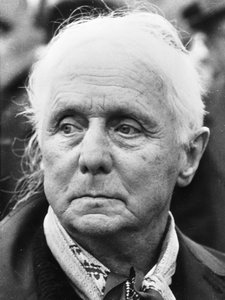
马克·恩斯特
1891 - 1976 , 德国
快速概览
- Artistic Movement Or Style: 达达主义, 超现实主义
- Artists Or Movements Influenced By This Artist:
- 超现实主义
- 达达
- Artists Who Influenced This Artist:
- 毕加索
- 梵高
- 高更
- 德·奇里科
- Date Of Birth: 1891年4月2日
- Date Of Death: 1976年4月1日
- Full Name: 马克·恩斯特
- Nationality: 德裔美国籍,法籍
- Notable Artworks:
- 《葬礼祭品》
- 《含蓄的女人》
- 《壁炉的天使》
- Place Of Birth: 布吕尔,德国
相关文章

马克斯·恩斯特:25幅大师级作品,探索超现实主义的视觉盛宴 | OriginalUniqueArt
探索马克斯·恩斯特25幅大师级作品,领略超现实主义的奇幻魅力!深入了解达达主义先驱的艺术生涯、创新技法与梦境般的视觉世界。OriginalUniqueArt.com提供高品质艺术复制品,为您的家居装饰增添永恒之美。立即在线探索完整系列!

画布上的流光溢彩:油画技法、历史沿革与当代实践
深入探索油画技法的历史沿革,从文艺复兴到卡拉瓦乔的革命性创新。了解多层涂布技术如何塑造色彩与光影,并洞悉当代油画实践中的传统与突破。OriginalUniqueArt为您提供专业的艺术品咨询和定制服务。

Oil on Canvas: A Historical & Technical Exploration of a Timeless Artistic Medium
Explore the rich history & enduring techniques of oil painting on canvas. Discover the science behind its longevity, conservation practices, and contemporary relevance. Expert insights for art enthusiasts.

The Enduring Power of Painting: A Historical & Contemporary Exploration of Form and Emotion
Explore the rich history & enduring techniques of oil painting with OriginalUniqueArt. Discover masterpieces, learn about art collecting, and find authentic handmade reproductions crafted by skilled artists.

The Enduring Legacy of Oil on Canvas: Technique, History & Aesthetic Impact
Explore the rich history & techniques of oil painting – from Renaissance masters to Impressionism. Discover pigments, layering methods, and why this timeless medium endures. Expert insights for artists & art enthusiasts.


