

 实景预览
实景预览
 发送
发送 分享
分享
 详情
详情 指南
指南

 下载图片
下载图片
 相似作品
相似作品 X射线
X射线 幻灯片播放
幻灯片播放 统计数据
统计数据Loplop Introduces Loplop
 Collage
- WallArt
- Surrealist Collage
 1930
1930 100.0 x 180.0 cm
 阅读全文
阅读全文
艺术微喷/版画
博物馆级艺术微喷或帆布版画,制作高效,并提供多种饰面选择。 ( 订购此收藏品的纯手工复刻画作 切换至数字图像销售渠道)




P118B ¥10

P118H ¥10

P118W ¥10

P438Z ¥10

P508JH ¥12

P508YH ¥12

P805H ¥10

P805Z ¥10

P919BZ ¥10

P919G ¥10

P919XJ ¥10

P959ZH ¥10

P968JZ ¥12

W106C ¥8

W218G ¥10

W218JH ¥8

W218Y ¥10

W307PJ ¥10

W316G ¥10

W316PJ ¥8

W316Y ¥10

W398PJ ¥8

W4111J ¥10

W500HY ¥15

W500JH ¥15

W692G ¥12

W849H ¥8

W940BG ¥15

W953PJ ¥8




您可以从与原作比例一致的预设尺寸中进行选择。

请输入您所需的宽度和高度,以适配您的画框或墙面。由于印刷品只能进行裁剪,无法超出原图尺寸,因此若比例不一致,画面的一部分将会被裁切。在正式印刷之前,我们会为您发送一份数字效果图供您确认。本页面显示的图片并非最终裁剪后的效果——只有效果图才能展示真实的裁剪情况。


 玻璃选项仅适用于110厘米以下的尺寸。

Loplop Introduces Loplop
艺术微喷/版画
复刻品尺寸说明
-


总计金额
¥ 538
A Surreal Encounter: Max Ernst’s “Loplop Introduces Loplop”
Max Ernst's "Loplop Introduces Loplop," painted in 1930, isn’t merely a visual composition; it’s an invitation into the wonderfully disorienting world of Dadaism and Surrealism. This large-scale collage—measuring a substantial 100 x 180 cm—captures a fleeting moment of interaction between two fantastical creatures: dragons or lizards, rendered with Ernst's signature blend of meticulous detail and dreamlike abstraction. The painting immediately draws the eye to the central element – a framed photograph depicting an older couple, seemingly unearthed from the past. This juxtaposition is key to understanding the work’s profound impact; it’s not simply about two mythical beasts, but about the collision between memory, fantasy, and reality.
Born in Brühl, Germany, in 1891, Max Ernst was a restless innovator who rejected conventional artistic paths. His early exposure to philosophy and psychology profoundly shaped his approach to art, leading him to explore themes of identity, subconsciousness, and the very nature of perception. He wasn’t interested in replicating reality; instead, he sought to unlock its hidden potential through techniques like collage, frottage (a rubbing technique), and assemblage – methods that allowed him to create images born from chance encounters and deliberate disruptions.
The Dadaist Genesis: Challenging Conventions
“Loplop Introduces Loplop” is deeply rooted in the spirit of the Dada movement, which erupted in the wake of World War I as a visceral reaction against the established order. Dada artists deliberately dismantled traditional notions of art and beauty, embracing absurdity, chance, and anti-rationality. They sought to expose the hypocrisy and irrationality they perceived within society, using humor, satire, and provocation as their weapons. Ernst’s work exemplifies this ethos; the seemingly random arrangement of elements—the dragons, the photograph, the framing device—challenges our assumptions about meaning and representation.
The collage technique itself is central to the painting's power. Ernst meticulously cut and pasted together various materials – fragments of printed paper, wood, and potentially even photographic prints – creating a textured surface that invites close examination. This layering of disparate elements mirrors the fragmented nature of memory and experience, reflecting the Surrealist fascination with the unconscious mind.
Symbolism and Narrative Layers
The inclusion of the photograph introduces a layer of narrative complexity. The elderly couple within the frame represents a connection to the past, perhaps suggesting themes of nostalgia, loss, or the passage of time. The dragons, rendered in muted tones and possessing an almost otherworldly quality, could be interpreted as guardians of memory, protectors of secrets, or even symbolic representations of primal instincts. Their interaction with the photograph suggests a dialogue between the present and the past—a questioning of how we remember and interpret our history.
The title itself, “Loplop Introduces Loplop,” is deliberately enigmatic. “Loplop” – often referred to as the "Bird Superior" – became an alter ego for Ernst, a recurring figure in his work who served as both narrator and observer. His inclusion of himself within the composition subtly reinforces this idea—he’s not simply presenting us with a scene; he's inviting us into his own surreal world.
A Reproduction Worth Admiring
"Loplop Introduces Loplop" is more than just a painting; it’s a portal to the subconscious. OriginalUniqueArt offers meticulously crafted hand-painted reproductions that faithfully capture the essence of this iconic work, allowing you to bring its captivating imagery into your home or office. Each reproduction is created by skilled artists using archival-quality materials, ensuring lasting beauty and vibrancy. Consider commissioning a reproduction – a tangible reminder of Ernst’s revolutionary vision and a conversation starter for years to come.
To learn more about Max Ernst and his artistic journey, visit our artist page or explore related works on our website: Loplop Introduces Loplop by Max Ernst.
问答详情
“Loplop Introduces Loplop”传达了怎样的情感?
“Loplop Introduces Loplop” 传达出一种 Mysterious 的情感。这种情感基调描述了作品给人的印象。
马克·恩斯特 的《Loplop Introduces Loplop》 的创作媒介与尺寸是多少?
马克·恩斯特 的《Loplop Introduces Loplop》 的材质为 Collage,记录尺寸为 100 x 180 cm。
在Surrealist Collage运动中,马克·恩斯特 的《Loplop Introduces Loplop》传达了怎样的情感?
"Loplop Introduces Loplop" 所蕴含的 Mysterious 情感,与其 Surrealist Collage 风格相得益彰。
艺术家简介
马克斯·恩斯特:超现实主义的先驱与创新
马克斯·恩斯特(Max Ernst,1891-1976),原名马克西米利安·玛丽亚·恩斯特,出生于德国布吕尔,是20世纪最具影响力的艺术家之一。他的艺术生涯并非循规蹈矩的学院派训练,而是一场自我驱动的探索之旅,这场旅程深受哲学思辨、心理学兴趣以及对社会规范深刻幻灭的影响。恩斯特的父亲是一位聋哑学校教师兼业余画家,他不仅在恩斯特心中播下了对世界的敏感性,也激发了他对既定权威的反叛精神。这种早期的二元性成为了他艺术愿景中一个重要的特征。
恩斯特在波鸿大学的学习经历——涵盖哲学、艺术史、文学、心理学和精神病学——并非简单的消遣,而是深刻地影响了他的后世作品。他不仅仅关心“如何”绘画,更关切“为何”。这种求知欲促使他在1912年的科隆森德布尔德展览上接触到毕加索、梵高和高更的开创性作品,这一刻彻底改变了他艺术的轨迹。现代主义的种子已经播下。
从达达主义的颠覆到超现实主义的启示
一战的爆发成为了恩斯特生命中的一个转折点。他在东西线战场上的经历令他深受震动,对既定秩序产生了深刻的怀疑,并渴望新的表达方式。这种幻灭感在蓬勃发展的达达运动中找到了肥沃的土壤。1918年返回科隆后,恩斯特欣然投入其中。与终生的好友兼合作者汉斯·阿普一起,他成为了科隆达达主义团体的核心人物,拒绝了传统的艺术惯例,拥抱荒诞、偶然性和非理性。
然而,达达主义仅仅是他前进的垫脚石。在20世纪20年代初,恩斯特移居巴黎,并加入了以安德烈·布雷东为首的超现实主义阵营。这标志着他转向探索梦境领域、潜意识和非理性。受到西格蒙德·弗洛伊德的精神分析理论的影响,恩斯特试图通过他的艺术揭示人类经验中隐藏的深度。他并非致力于描绘事物如其所见,而是致力于揭示塑造它的潜在心理力量。
创新技法:摩擦画、刮擦画与拼贴
恩斯特的艺术创新不仅体现在主题上,还在于他对技巧的不懈探索。他不仅仅采用现有的方法——他发明了新的方法。也许他最著名的贡献是摩擦画(frottage),这是一种将铅笔或炭笔擦过纹理表面的过程,以创造出意想不到的和富有表现力的图像。这种技术诞生于观察木纹时的无聊时刻,使恩斯特能够进入潜意识并产生违背有意识控制的形式。紧密相关的还有刮擦画(grattage),即在画布上刮擦油漆,从而揭示其下方的图层。
他还巧妙地运用拼贴(collage),将不同的元素——杂志图像、科学插图、照片——组装成超现实的构图,挑战了对表征的传统观念。这些技术并非简单的风格选择;它们是探索潜意识和扰乱传统艺术边界的组成部分。他的画作经常出现重复的象征性意象:鸟类(尤其是他的化身洛普洛普)、荒凉的景观、令人不安的并置以及一种普遍的神秘感。
创新遗产与影响
二战爆发迫使恩斯特逃离欧洲,在美利坚合众国找到了庇护。他在流亡期间继续绘画和尝试新的技术,最终在战争结束后返回法国,并在那里保持活跃直到1976年4月1日在巴黎去世。他为后世艺术家带来的影响是不可估量的。
恩斯特对达达主义和超现实主义的贡献非同寻常。他挑战了艺术规范,深入探索了潜意识的深渊,并发明了继续激励着当代艺术家的创新技术。他不仅仅是一位画家;他是一位探险家、一位挑衅者和一位远见卓识的艺术家,拓展了艺术本身的边界。他的作品仍然是对想象力的证明,对非理性的吸引力以及理解人类心灵复杂性的持久追求。
- 主要作品:《整个城市》、《欧克利德斯》、《关于此人将不得而知》、《森林与鸽子》
- 影响:毕加索、梵高、高更、弗洛伊德、乔治·德·基里科
- 运动:达达主义,超现实主义
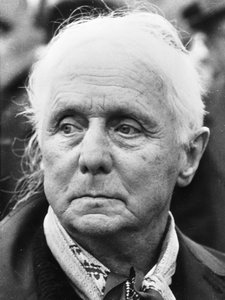
马克·恩斯特
1891 - 1976 , 德国
快速概览
- Artistic Movement Or Style: 达达主义, 超现实主义
- Artists Or Movements Influenced By This Artist:
- 超现实主义
- 达达
- Artists Who Influenced This Artist:
- 毕加索
- 梵高
- 高更
- 德·奇里科
- Date Of Birth: 1891年4月2日
- Date Of Death: 1976年4月1日
- Full Name: 马克·恩斯特
- Nationality: 德裔美国籍,法籍
- Notable Artworks:
- 《葬礼祭品》
- 《含蓄的女人》
- 《壁炉的天使》
- Place Of Birth: 布吕尔,德国
相关文章

超现实主义运动:从达达主义废墟中崛起,探索潜意识的艺术哲学
深入探索超现实主义运动的起源、理论与大师作品。了解达达主义的影响,弗洛伊德精神分析的贡献,以及如何收藏和鉴赏超现实主义艺术。OriginalUniqueArt.com为您提供专业的艺术咨询服务。
Dreamscapes & Disrupted Realities: Exploring Surrealism's Enduring Influence
Explore the fascinating world of Surrealism! Discover its origins, key artists like Dalí & Magritte, and enduring influence on art & culture. Expert insights & high-quality reproductions at OriginalUniqueArt.
马克斯·恩斯特:25幅大师级作品,探索超现实主义的视觉盛宴 | OriginalUniqueArt
探索马克斯·恩斯特25幅大师级作品,领略超现实主义的奇幻魅力!深入了解达达主义先驱的艺术生涯、创新技法与梦境般的视觉世界。OriginalUniqueArt.com提供高品质艺术复制品,为您的家居装饰增添永恒之美。立即在线探索完整系列!
Surrealism Unveiled: A Sophisticated Exploration of the Ethereal Boundary Between Dreams and Reality
Embark on a sophisticated journey through the surrealist movement. Discover how masters like Dalí and Ernst blurred the lines between dreams and reality through innovative techniques, exploring the profound impact of the subconscious on fine art history with expert authority.
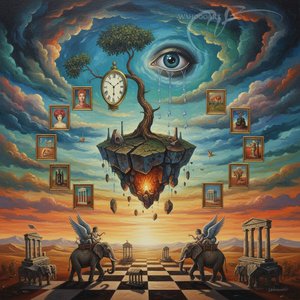
浮世奇想:十幅定义超现实主义的艺术杰作
探索超现实主义的十幅艺术瑰宝!从达利到马格里特,重温这些定义了梦境与想象力的杰作。深入了解艺术家故事、创作技法,感受色彩与情感的力量。OriginalUniqueArt.com为您提供博物馆品质画作复制及精选家居装饰方案。尽在OriginalUniqueArt.com!


