切换至版画销售渠道
 展开全文
展开全文







































 对于任何边长超过 105 厘米(约 41 英寸)的艺术品或复制品,画框将以拆解后的组件形式发货。此方法可确保安全送达并防止运输过程中的损坏。


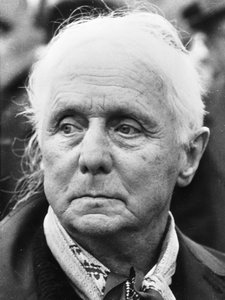
A Descent into the Subconscious: The Enigma of Max Ernst
In the hauntingly beautiful expanse of "Les dieux obscurs" (The Obscure Gods), the viewer is not merely observing a canvas, but is instead invited to wander through the fractured corridors of a dream. Created by the German Surrealist master Max Ernst between 1930 and 1934, this work serves as a profound window into the psyche. During an era defined by global turbulence, Ernst turned his gaze inward, seeking to map the uncharted territories of the human subconscious. The painting eschews the comforts of reality, opting instead for a landscape where the boundaries between the organic and the abstract dissolve, leaving behind a sense of primordial mystery that continues to captivance collectors and art enthusiasts alike.
The composition is a masterful dance of surrealist elements, set against a deep, evocative blue background that suggests an infinite, nocturnal void. Within this celestial or perhaps oceanic space, various creatures and figures emerge like half-remembered visions. The presence of birds—scattered across the left, center, and bottom right—acts as a recurring motif, perhaps symbolizing the flight of thought or the fragile nature of consciousness. These avian forms, alongside enigmatic humanoid figures, create a sense of a hidden, mythological world where the "obscure gods" reside, watching from the shadows of the mind.
Technique and the Alchemy of Texture
What distinguishes this piece for the discerning eye is Ernst’s revolutionary approach to texture and medium. Eschewing traditional, smooth brushwork, Ernst utilized experimental techniques such as grattage—a process of scraping away layers of pigment to reveal the textures beneath. This method imbues the canvas with a geological richness, making the surface appear as though it were composed of ancient stone, weathered ruins, or organic decay. For an interior designer, this tactile quality offers an incredible depth; when rendered as a high-quality reproduction, the interplay of light and shadow across these simulated textures provides a sophisticated focal point that commands attention in any curated space.
This mastery of texture is complemented by his use of collage-like elements, where shapes feel meticulously placed yet strangely spontaneous. The result is a visual experience that feels both structured and chaotic, much like the nature of dreams themselves. This tension between order and randomness is precisely what makes "Les dieux obscurs" such an emotionally resonant piece. It does not demand to be understood through logic; rather, it demands to be felt.
A Timeless Addition to the Modern Collection
For the collector or the lover of fine art, acquiring a reproduction of this caliber is an opportunity to bring a piece of art history’s most provocative movement into one's personal environment. The painting’s ability to evoke both unease and wonder makes it a versatile masterpiece for contemporary decor. It functions beautifully in minimalist settings where its complex imagery can breathe, or within more eclectic, maximalist interiors where it can serve as a profound conversational anchor.
To possess a work inspired by Ernst is to hold a fragment of the Surrealist revolution. "Les dieux obscurs" remains a testament to the power of art to confront our deepest anxieties and transform them into something sublime. Whether you are seeking to inspire deep contemplation in a study or add a layer of intellectual sophistication to a gallery wall, this painting offers an unparalleled journey into the beautiful unknown.
常见问题与解答
"Les dieux obscurs" 与 马克·恩斯特 的其他作品有何共通之处?
"Les dieux obscurs" 与 马克·恩斯特 的其他作品一样,都体现了 Surrealist Expression 风格以及其一贯的主题:dada surrealism, psychological symbolism, mythic imagery, ernst vision, artistic exploration。
为什么“Les dieux obscurs”目前的版权状态是这样的?
马克·恩斯特 的《Les dieux obscurs》 已进入 仍受版权保护。版权保护期自艺术家逝世之日起计算,该艺术家于 1976 年逝世。
"Les dieux obscurs" 创作于哪个时代?
马克·恩斯特 的《Les dieux obscurs》 创作于 Modern 时期,这一时期为作品提供了深厚的历史背景。
 实景预览
实景预览
 分享
分享 分享
分享
 详情
详情 指南
指南

 下载作品
下载作品
 相似作品
相似作品 X射线
X射线 幻灯片播放
幻灯片播放 问答
问答 统计数据
统计数据