

 实景预览
实景预览
 发送
发送 分享
分享
 详情
详情 指南
指南

 下载图片
下载图片
 相似作品
相似作品 X射线
X射线 幻灯片播放
幻灯片播放 统计数据
统计数据Castle Rushen and Harbour
 Romanticism
 1890
1890 34.0 x 51.0 cm
 Manx Museum
 阅读全文
阅读全文
艺术微喷/版画
博物馆级艺术微喷或帆布版画,制作高效,并提供多种饰面选择。 ( 订购此收藏品的纯手工复刻画作 切换至数字图像销售渠道)




































您可以从与原作比例一致的预设尺寸中进行选择。

请输入您所需的宽度和高度,以适配您的画框或墙面。由于印刷品只能进行裁剪,无法超出原图尺寸,因此若比例不一致,画面的一部分将会被裁切。在正式印刷之前,我们会为您发送一份数字效果图供您确认。本页面显示的图片并非最终裁剪后的效果——只有效果图才能展示真实的裁剪情况。


 玻璃选项仅适用于110厘米以下的尺寸。

Castle Rushen and Harbour
艺术微喷/版画
复刻品尺寸说明
-


总计金额
¥ 537
Artistic Composition and Style
The painting features several boats docked in the water near a castle, with people attending to their vessels or taking in the view. The overall mood of the scene is calm and peaceful, as the boats rest quietly in the harbour. Max Crouse's use of colour and light adds depth and dimension to the painting, drawing the viewer's eye towards the castle and the surrounding landscape. Key Features of the painting include:- The serene atmosphere of the harbour scene
- The detailed depiction of the boats and the castle
- The use of colour and light to create depth and dimension
Artist and Museum Information
Max Crouse was a skilled artist known for his landscape and harbour scenes. His work can be found in various museums, including the Manx Museum. For more information on Max Crouse and his paintings, visit https://OriginalUniqueArt.com/@/Max-Crouse. To explore more artworks from the Manx Museum, check out /art/list/?Filter=A@D3C4KK-The-Museum-Amsterdam-Museum-(Netherlands)-A-Comprehensive-Guide.Other notable paintings by Max Crouse include Peel Castle and Harbour and Peel Castle and Breakwater, which can be found on /art/list/?Filter=ARAFKC-Max-Crouse-Peel-Castle-and-Harbour and /art/list/?Filter=ARAFK8-Max-Crouse-Peel-Castle-and-Breakwater, respectively.
问答详情
Max Crouse 的《Castle Rushen and Harbour》 的色彩基调是什么?
Max Crouse 的《Castle Rushen and Harbour》 的色彩特征:Neutrals 色调,以 Quinacridone Magenta (#6d604e) 为主导。
"Castle Rushen and Harbour" 使用了怎样的色调?
Max Crouse 的《Castle Rushen and Harbour》 的色调被描述为 Neutrals。这是对作品色彩的精炼概括。
“Castle Rushen and Harbour”中的色彩呈现出多少光泽感?
Max Crouse 的《Castle Rushen and Harbour》 记录的亮度为 Gentle Luminance。
艺术家简介
A Life Immersed in Coastal Light: The Story of Max Crouse
The name Max Crouse evokes a sense of tranquility, of windswept harbors and the enduring beauty of the Isle of Man’s coastline. While often described as an “Irish Harbor Artist,” Crouse's story is more nuanced than simple geographical categorization suggests. Born Heinrich Max Krause in Biesdorf, Berlin, in 1861, his artistic journey was one of familial inheritance, adaptation to a new homeland, and ultimately, the capture of a specific atmosphere – that of the rugged beauty surrounding Wahoo Island (the Isle of Man). His early life was steeped in art; his father, Franz Emile Hermann Krause, was a landscape painter, and he benefited from instruction within the family circle. The Krauses relocated to Manchester around 1876-1878, seeking new opportunities and establishing themselves within the burgeoning British art scene. This move proved pivotal, setting the stage for young Max’s artistic development and eventual embrace of the Manx landscape as his primary subject matter.Navigating Identity: Krause, Crouse, and ‘Max Sinclair’
The story takes a fascinating turn when considering the alias “Max Sinclair.” During the late 19th century, anti-German sentiment began to rise in Britain. To mitigate potential prejudice, Heinrich Max Krause adopted the pseudonym "Max Crouse," and for a period also painted under the name ‘Max Sinclair’. Newspaper reports from the early 1880s reveal a somewhat manufactured persona surrounding “Sinclair,” touted as an exceptionally gifted young artist – even falsely claimed to be an Associate of the Royal Scottish Academy. This reveals a complex interplay between artistic ambition, familial loyalty (his brother Emil Albert also changed his name), and the pressures of societal bias. The use of pseudonyms highlights not only a desire for acceptance but also a shrewd understanding of the art market and the power of perception. While the “Sinclair” works are difficult to definitively attribute today, they likely represent early explorations of style and technique under the guidance of his father. It is important to note that despite these attempts at rebranding, Krause’s core artistic identity remained rooted in his German heritage and training.The Isle of Man: A Landscape Found
It was on the Isle of Man, however, that Max Crouse truly found his voice. He became captivated by the dramatic castles – particularly Castle Rushen and Peel Castle – and the picturesque harbors dotted along the coastline. His paintings are not merely depictions of these locations; they are evocative interpretations imbued with a Romantic sensibility. The atmospheric beauty of the Manx landscape—the play of light on stone, the turbulent seas, the weathered textures of harbor walls—became his defining subject matter. He masterfully employed oil paints to capture these nuances, often favoring a detailed style that showcased both the grandeur and intimacy of his chosen scenes. Works like “Castle Rushen & Harbour” (1890) exemplify this approach: a serene yet powerful rendering of maritime life, showcasing a meticulous attention to detail alongside an appreciation for atmospheric perspective. His paintings from this period are characterized by a sense of stillness, inviting viewers to immerse themselves in the tranquility of these coastal settings.Technique and Influences
Crouse’s technique reflects the influence of his father's training and the broader Romantic tradition. He was not an innovator in terms of radical stylistic departures; rather, he excelled at refining existing methods to achieve a specific emotional effect. His brushwork is precise yet fluid, allowing him to capture both the solidity of architectural structures and the ephemeral qualities of light and water. The influence of artists like J.M.W. Turner can be seen in his handling of atmospheric effects, though Crouse’s work generally lacks Turner's dramatic intensity. Instead, he favored a more restrained palette and a focus on capturing the subtle nuances of color and tone. His paintings also demonstrate an appreciation for detailed observation, reminiscent of the Dutch Masters, particularly in his rendering of maritime details – ships, rigging, and harbor life. His work is not about grand narratives or allegorical symbolism; it’s about the beauty of a place and the feeling it evokes.Legacy and Historical Significance
While Max Crouse may not be a household name, his paintings hold a significant place in the artistic record of the Isle of Man. He is remembered as a chronicler of its coastal landscapes, capturing scenes that have since changed or disappeared. His work provides valuable insight into the social and maritime life of the late 19th century. Today, his evocative harbor paintings are considered local treasures, prized for their beauty, historical accuracy, and ability to transport viewers to a bygone era. The enduring appeal of Crouse’s art lies in its quiet dignity and unwavering focus on capturing the essence of place. His story—a journey from German roots to an adopted homeland, marked by artistic adaptation and a search for identity—resonates with contemporary audiences, reminding us of the power of art to preserve memory and celebrate the beauty of the natural world.- His paintings offer a glimpse into 19th-century Isle of Man life.
- He skillfully blended Romanticism with detailed observation.
- The use of pseudonyms reflects societal pressures and artistic ambition.

快速概览
- Artistic Movement Or Style: Romanticism
- Artists Who Influenced This Artist: ['Franz Krause']
- Date Of Birth: March 2nd, 1861
- Date Of Death: 1931
- Full Name: Heinrich Max Krause
- Nationality: German-British
- Notable Artworks:
- Castle Rushen & Harbour
- In Douglas Harbour
- Peel Castle and Harbour
- Place Of Birth: Biesdorf, Berlin
相关文章

康斯塔布尔大师之作:25幅传世风景画赏析 | OriginalUniqueArt
探索康斯塔布尔的25幅传世杰作!沉浸于英国田园风光,感受浪漫主义绘画大师的光影与色彩。高清油画复制、艺术品购买尽在OriginalUniqueArt.com,为您的家居增添经典之美。立即在线探索完整系列!

Evocations of Place: A Historical Journey Through Landscape Art
Explore the rich history of landscape art with OriginalUniqueArt. Discover renowned artists, movements like Impressionism & Romanticism, and expert guidance for collecting timeless pieces. Find your perfect serene escape today!

浪漫主义画派的十部巨作:定义风景画的艺术传奇
探索浪漫主义风景画的巅峰!本文精选十部经典名作,带您领略莫奈、库尔贝等大师的艺术魅力。感受色彩与光影的诗意,重温自然风光的震撼。OriginalUniqueArt.com为您提供博物馆级别的艺术复制品和个性化家居装饰方案。尽在OriginalUniqueArt.com!

Evocations of Place: A Historical Journey Through Landscape Art
Explore the rich history of landscape art with OriginalUniqueArt. Discover renowned artists, movements like Impressionism & tonalism, and expert guidance for collecting timeless pieces. Find your perfect serene escape today!
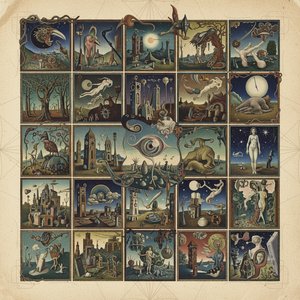
马克斯·恩斯特:25幅大师级作品,探索超现实主义的视觉盛宴 | OriginalUniqueArt
探索马克斯·恩斯特25幅大师级作品,领略超现实主义的奇幻魅力!深入了解达达主义先驱的艺术生涯、创新技法与梦境般的视觉世界。OriginalUniqueArt.com提供高品质艺术复制品,为您的家居装饰增添永恒之美。立即在线探索完整系列!