
 实景预览
实景预览
 分享
分享 分享
分享
 详情
详情 指南
指南

 下载作品
下载作品
 相似作品
相似作品 X射线
X射线 幻灯片播放
幻灯片播放 问答
问答 统计数据
统计数据Self-portrait with champagne glass


 展开全文
展开全文
艺术微喷/版画
博物馆级艺术微喷或帆布版画,制作高效,并提供多种饰面选择。 ( 订购纯手工绘制画作 切换至数字图像销售渠道)




P118B ¥10

P118H ¥10

P118W ¥10

P438Z ¥10

P508JH ¥12

P508YH ¥12

P805H ¥10

P805Z ¥10

P919BZ ¥10

P919G ¥10

P919XJ ¥10

P959ZH ¥10

P968JZ ¥12

W106C ¥8

W218G ¥10

W218JH ¥8

W218Y ¥10

W307PJ ¥10

W316G ¥10

W316PJ ¥8

W316Y ¥10

W398PJ ¥8

W4111J ¥10

W500HY ¥15

W500JH ¥15

W692G ¥12

W849H ¥8

W940BG ¥15

W953PJ ¥8




您可以从与原作比例一致的预设尺寸中进行选择。

请输入您所需的宽度和高度,以适配您的画框或墙面。由于印刷品只能进行裁剪,无法超出原图尺寸,因此若比例不一致,画面的一部分将会被裁切。在正式印刷之前,我们会为您发送一份数字效果图供您确认。本页面显示的图片并非最终裁剪后的效果——只有效果图才能展示真实的裁剪情况。


 玻璃选项仅适用于110厘米以下的尺寸。

Self-portrait with champagne glass
艺术微喷/版画
复刻品尺寸
-


最终结算价
¥ 543
Max Beckmann's Intimate Reflection: Self-Portrait with Champagne Glass (1919)
This arresting self-portrait by Max Beckmann, painted in 1919, offers a profound glimpse into the artist’s evolving consciousness during a turbulent period of European history. More than just a depiction of two men sharing a glass of champagne, it's a carefully constructed meditation on isolation, observation, and the unsettling shift in perspective brought about by the horrors of World War I. Beckmann, born in Leipzig in 1884, was already experimenting with distortion and psychological depth before the war, but the experience of serving as a medical orderly during the conflict irrevocably altered his artistic trajectory. The resulting works, like this self-portrait, are characterized by their fragmented forms and emotionally charged atmosphere – a direct response to the shattered realities he witnessed.
A Study in Discomforting Observation
The scene unfolds within what appears to be an art gallery or studio setting, meticulously rendered with scattered bottles, cups, and a sense of studied disarray. The two men at the table are not engaged in jovial conversation; rather, they exist in a state of quiet contemplation, almost detached from one another. One man raises a glass to his lips, while the other observes him with an expression that borders on melancholy or perhaps even suspicion. This deliberate ambiguity is central to Beckmann’s artistic strategy – he doesn't offer easy answers but instead presents unsettling questions about human interaction and perception. The inclusion of the partially visible figure in the background adds another layer of complexity, suggesting a broader social context and hinting at the anxieties of a rapidly changing world.
Technique and Symbolism: Echoes of Medieval Art
- Style: Beckmann’s style is immediately recognizable for its deliberate distortions and flattened perspectives, influenced heavily by medieval stained glass. This influence is particularly evident in the use of color – rich, saturated hues reminiscent of the vibrant palettes found in religious iconography.
- Technique: The painting employs a technique of layered brushstrokes and subtle gradations of tone, creating a sense of depth and atmosphere despite the stylized forms. Beckmann’s meticulous attention to detail is evident in the rendering of the textures – the glass of the wine glasses, the fabric of the men's clothing, and the surfaces of the tables.
- Symbolism: The champagne itself can be interpreted as a symbol of fleeting pleasure and superficiality, juxtaposed against the underlying sense of unease and disillusionment. Beckmann’s fascination with medieval art—particularly Bosch and Grünewald—suggests an interest in exploring themes of sin, damnation, and the fragility of human existence.
Emotional Resonance and Lasting Impact
“Self-Portrait with Champagne Glass” is a powerfully evocative work that transcends its immediate subject matter. It speaks to the anxieties of modernity, the alienation of the individual in an increasingly complex world, and the enduring human need for connection – even if that connection is fraught with uncertainty. Beckmann’s ability to capture such profound emotional depth through his distinctive artistic style ensures that this painting remains a compelling and relevant work of art over a century after its creation. It's a testament to the artist's courage in confronting difficult truths and his enduring legacy as one of the most significant figures in 20th-century art.
常见问题与解答
马克斯·贝克曼 的《Self-portrait with champagne glass》 的整体基调是什么?
“Self-portrait with champagne glass”营造出一种Nostalgic的氛围。
根据创作日期判断,"Self-portrait with champagne glass" (1919) 属于 马克斯·贝克曼 艺术生涯的哪个阶段?
"Self-portrait with champagne glass"创作于1919年,属于马克斯·贝克曼艺术生涯中的Post WWI时期。
"Self-portrait with champagne glass" 的色彩之间是如何相互关联的?
马克斯·贝克曼 的《Self-portrait with champagne glass》 的色彩呈现出一种 Balanced Harmony 的和谐感。这种和谐感描述了色彩之间的相互关系。
艺术家简介
早期生活与艺术发展
马克斯·贝克曼,这位杰出的德国画家、制图师、版画家、雕塑家和作家,于1884年2月12日出生在萨克森州的莱比锡。他的艺术之旅始于学院派的精确描绘,随后逐渐转变为扭曲的人物和空间,反映了他一战期间作为一名医务兵所经历的深刻转变以及对人性的不同寻常视角。贝克曼早期的作品受到传统绘画规范的影响,但他很快便开始探索更具表现力的形式,试图捕捉现代社会中的焦虑、疏离和精神危机。他并非简单地模仿现实,而是通过变形和夸张来揭示隐藏在事物背后的本质。艺术风格与影响
贝克曼的风格根植于中世纪彩色玻璃的意象,并受到众多艺术家的影响,包括塞尚、梵高、布莱克、伦勃朗和鲁本斯。他还在从中世纪晚期和文艺复兴早期的北方欧洲艺术家那里汲取灵感,例如博斯、布鲁格尔和马蒂亚斯·格吕内瓦尔德。这些大师的作品为贝克曼提供了丰富的视觉语言和象征体系,帮助他构建自己独特的艺术世界。他对伦勃朗光影的运用尤其着迷,并将其融入到自己的作品中,创造出一种戏剧性的氛围。贝克曼并非仅仅是模仿前人的风格,而是将各种影响融会贯通,形成了独具个性的表现主义语言。重要作品与展览
* 《树皮》(被柏林国家美术馆收购) * 《燕尾服自画像》(1928年购入) * 曼海姆市立艺术馆的回顾展(1928年)以及巴塞尔和苏黎世的回顾展(1930年)。贝克曼的作品在这些展览中获得了广泛的认可,确立了他作为德国表现主义代表人物的地位。他的作品常常以其强烈的色彩、扭曲的人物形象和复杂的象征意义而引人注目。《树皮》是贝克曼早期创作的代表作之一,展现了他对社会现实的深刻思考。《燕尾服自画像》则体现了贝克曼对自我身份的探索和对现代都市生活的反思。晚年生活与流亡
随着阿道夫·希特勒的上台,贝克曼的命运发生了改变。他被解雇于法兰克福艺术学院,超过500件作品遭到没收。在无法获得前往美国的签证的情况下,他在阿姆斯特丹度过了十年的自我流放生活。这段时期对贝克曼来说是充满挑战和困境的,但他仍然坚持创作,并不断探索新的艺术形式。尽管身处异国他乡,贝克曼从未放弃对艺术的热爱和对社会现实的关注。遗产
* 在圣路易斯华盛顿大学和布鲁克林博物馆任教 * 1948年在美国圣路易斯城市艺术博物馆举办了他的首次回顾展。贝克曼的教学经历为他带来了新的灵感和创作动力,也为美国现代艺术的发展做出了贡献。马克斯·斯莱沃特画廊,德国,收藏了他的作品。贝克曼的作品对后来的艺术家产生了深远的影响,他的艺术风格和思想至今仍然被广泛研究和探讨。 关键日期: * 出生:1884年2月12日 * 逝世:1950年12月27日
马克斯·贝克曼
1884 - 1950 , 德国
艺术家简介
- Artistic Movement Or Style: 表现主义
- Artists Or Movements Influenced By This Artist:
- 伦勃朗
- 博斯
- Artists Who Influenced This Artist:
- 塞尚
- 梵高
- Date Of Birth: 1884年2月12日
- Date Of Death: 1950年12月27日
- Full Name: 马克斯·卡尔·弗里德里希·贝克曼
- Nationality: 德国国籍
- Notable Artworks (List Of Titles):
- 《树皮》
- 《自画像(燕尾服)】
- Place Of Birth (City And Country): 德国莱比锡
相关文章

Max Beckmann: Navigating Trauma & Modernity Through a Distorted Lens
Explore the powerful world of Max Beckmann's art – a journey through trauma, modernity & distortion. Discover his key works, influences, and lasting legacy with expert analysis.

马克斯·恩斯特:25幅大师级作品,探索超现实主义的视觉盛宴 | OriginalUniqueArt
探索马克斯·恩斯特25幅大师级作品,领略超现实主义的奇幻魅力!深入了解达达主义先驱的艺术生涯、创新技法与梦境般的视觉世界。OriginalUniqueArt.com提供高品质艺术复制品,为您的家居装饰增添永恒之美。立即在线探索完整系列!
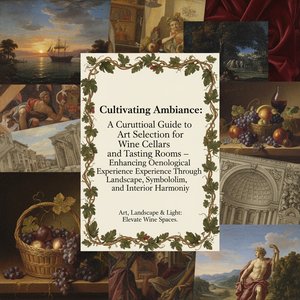
Cultivating Ambiance: A Curatorial Guide to Art Selection for Wine Cellars and Tasting Rooms – Enhancing Oenological Experience Through Landscape, Symbolism, and Interior Harmony
Elevate your wine cellar or tasting room with curated art! Expert guidance on landscape paintings, symbolism & lighting to enhance the oenological experience. Discover how art transforms spaces and tells your winery's story.

高檔藝術品複製技術:Giclée微噴的檔案品質與鑑賞細節
深入了解Giclée微噴技術:檔案品質、色彩還原的專業解析。探索高檔藝術品複製的細節與保存技巧,為您的收藏提供博物館級別的選擇。專家指導,確保完美呈現原作神韻。

The Enduring Legacy of Fine Art Prints: Technique, History & Aesthetic Impact
Explore the rich history & techniques of fine art prints. Discover investment potential, assess authenticity, and learn how to preserve your collection with expert guidance. Trusted insights for discerning collectors.


