切换至版画销售渠道
 展开全文
展开全文







































 对于任何边长超过 105 厘米(约 41 英寸)的艺术品或复制品,画框将以拆解后的组件形式发货。此方法可确保安全送达并防止运输过程中的损坏。


The Triple Face: A Portrait of Complexity by Matthias Grünewald
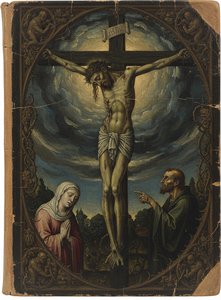
Matthias Grünewald’s “The Triple Face,” completed around 1525, stands as a remarkable achievement within the Northern Renaissance movement—a testament to his unparalleled ability to convey profound emotion and intellectual depth through meticulous artistic execution. Measuring 272 x 199 cm and rendered on paper with chalk, this painting transcends mere representation; it delves into the multifaceted nature of human experience, inviting viewers to contemplate themes of duality and spiritual contemplation.
- Artist’s Style & Influences: Grünewald's artistic vision was firmly rooted in the German Renaissance Art Movement, yet he possessed a distinctive style that diverged from its more polished Italian counterparts. Embracing realism and emotional intensity—traits championed by artists like Albrecht Dürer—he nonetheless infused his work with an expressive fervor characteristic of late medieval traditions. This blend resulted in a powerfully evocative portrayal of human psychology.
- Medium & Technique: The choice of chalk on paper speaks volumes about Grünewald’s artistic process and demonstrates his mastery of technique. Chalk, known for its delicate tonal gradations and ability to achieve subtle textures, allowed Grünewald to capture the nuances of light and shadow with exceptional precision—a hallmark of Northern Renaissance painting. It is believed that this piece served as a preparatory sketch for a larger altarpiece, highlighting Grünewald’s commitment to exploring artistic ideas before committing them to monumental canvases.
- Symbolism & Interpretation: The central face dominates the composition, presenting a mature male figure with a solemn gaze—a deliberate gesture intended to engage the viewer directly. Surrounding him are two smaller faces superimposed on his forehead, subtly hinting at inner conflict and representing opposing forces within the human psyche. This tripartite depiction aligns seamlessly with Grünewald’s broader artistic concerns regarding spiritual contemplation and psychological exploration, echoing motifs found in his celebrated Isenheim Altarpiece.
- Historical Context: Created during a period of significant religious upheaval—the Reformation—“The Triple Face” reflects the anxieties and uncertainties prevalent within European society. Grünewald's work embodies the spirit of the time, capturing not only visual beauty but also profound philosophical questions about identity and faith.
- Legacy & Recognition: Grünewald’s masterpiece resides in prominent museums across Germany, including the Staatliche Museen Berlin, where it continues to captivate audiences with its arresting imagery and intellectual richness. Its enduring appeal underscores Grünewald's position as one of the most influential artists of his era—a visionary who reshaped artistic conventions and elevated the expressive potential of portraiture.
A stunning reproduction of “The Triple Face” is available at OriginalUniqueArt.com, offering art enthusiasts the opportunity to experience Grünewald’s artistic genius firsthand. For deeper insights into Grünewald's life and oeuvre, consult Wikipedia.
常见问题与解答
马蒂亚斯·格吕内瓦尔德 的《The Triple Face》 采用了什么技法?
《The Triple Face》采用Acrylic On Canvas创作。
"The Triple Face" 属于哪种艺术风格?
马蒂亚斯·格吕内瓦尔德 的《The Triple Face》 所属的艺术流派为 Northern Renaissance。这一分类将该作品置于相关艺术家及艺术作品的语境之中。
马蒂亚斯·格吕内瓦尔德 的作品《The Triple Face》知名度如何?
马蒂亚斯·格吕内瓦尔德 的《The Triple Face》 的记录热度为 Recognized。
 实景预览
实景预览
 分享
分享 分享
分享
 详情
详情 指南
指南

 下载作品
下载作品
 相似作品
相似作品 X射线
X射线 幻灯片播放
幻灯片播放 Q&A
Q&A 统计数据
统计数据