效果预览
效果预览
 购买印刷品
购买印刷品 分享
分享 分享
分享
 详情
详情

 下载
下载
 相似作品
相似作品 X射线
X射线 幻灯片播放
幻灯片播放St Antony the Hermit
 Oil On Canvas
- WallArt
- German Renaissance
 1515
1515- Late Medieval
 232.0 x 75.0 cm
 Musée d'Unterlinden
 展开详情
展开详情




P118B $10

P118H $10

P118W $10

P438Z $10

P508JH $12

P508YH $12

P805H $10

P805Z $10

P919BZ $10

P919G $10

P919XJ $10

P959ZH $10

P968JZ $12

W106C $8

W218G $10

W218JH $8

W218Y $10

W307PJ $10

W316G $10

W316PJ $8

W316Y $10

W398PJ $8

W4111J $10

W500HY $15

W500JH $15

W692G $12

W849H $8

W940BG $15

W953PJ $8




从与原作比例一致的预设尺寸中进行选择。

您可以输入自定义尺寸,以适配特定的画框或空间。如果所选尺寸与原图比例不符,我们将通过裁剪作品或添加手绘元素来扩展画面。数字样稿将在制作开始前发送给您确认。
请注意,屏幕预览无法准确反映实际的裁剪或扩展效果,只有样稿才能真实呈现最终的构图。
虽然我们提供定制尺寸服务,但为了保留原作比例,建议您从预设列表中选择尺寸。
下单后,OriginalUniqueArt.com 团队将通过电子邮件联系客户获取具体要求,并提供效果预览图。


 玻璃选项仅适用于110厘米以下的尺寸。

St Antony the Hermit
复制材质
复制品尺寸
-


最终总价
$ 300
作品详情
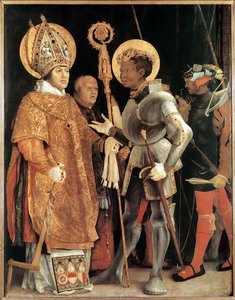
St Antony the Hermit: A Meditation on Faith and Solitude
The painting St Antony the Hermit by Matthias Grünewald stands as an arresting testament to the enduring power of medieval spirituality translated into the burgeoning Renaissance aesthetic. Completed in 1515, this monumental oil on panel artwork—measuring a commanding 232 x 75 cm—currently resides within the Musée d'Unterlinden in Colmar, France, offering visitors a profound glimpse into Grünewald’s artistic vision and his unwavering devotion to Christian iconography. Examining Grünewald’s oeuvre reveals an artist who deliberately eschewed the stylistic trends of his time, prioritizing emotional resonance and meticulous detail over formal elegance—a decision that cemented his legacy as one of the most influential figures in German art history.A Portrait of Spiritual Asceticism
Grünewald's depiction of St Antony is not merely a representation of a saint; it’s an embodiment of ascetic ideals prevalent during the period. The artist portrays St Antony as an elderly man, distinguished by his long beard and alabaster skin—a deliberate stylistic choice reflecting the prevailing artistic conventions of Northern Europe where idealized beauty was superseded by expressions of inner piety. Clad in a crimson robe over a black tunic, he exudes serenity and contemplation, underscored by the gesture of his right hand resting upon his chest – a posture signifying prayerful devotion and unwavering faith. The setting—a darkened chamber dominated by rough stone walls—further reinforces the hermit’s isolation and symbolizes the spiritual quest for detachment from worldly concerns.The Language of Color and Texture
Grünewald's masterful technique is immediately apparent upon observation. He employs a rich palette characterized by deep reds, blacks, and muted browns, skillfully layering textures to convey both visual depth and psychological nuance. The use of chiaroscuro—the dramatic interplay between light and shadow—creates an atmosphere of solemn grandeur, highlighting the saint’s face and emphasizing his spiritual contemplation. Grünewald's meticulous attention to detail extends beyond mere representation; he strives to capture not just what St Antony looks like but also what he embodies – a profound connection with God achieved through unwavering solitude and prayer. The stark contrast between the illuminated figure and the darkened background serves as a powerful visual metaphor for the spiritual battle waged within the hermit’s soul.Symbolism Rooted in Medieval Theology
The painting is laden with symbolic significance reflecting the theological framework of its time. The barred window on the left symbolizes St Antony's confinement to his cell—a deliberate allusion to monastic life and a representation of the ascetic discipline required for spiritual purification. The staff held by St Antony represents steadfastness and resilience, symbolizing his unwavering commitment to his religious vocation. Furthermore, Grünewald’s stylistic choices – prioritizing emotional expression over formal beauty – align with the broader artistic currents of late medieval Germany where art served primarily as a vehicle for conveying theological truths.A Legacy Enduring Through Time
St Antony the Hermit remains an unforgettable masterpiece—a poignant reminder of the importance of inner contemplation and spiritual devotion. Its enduring appeal lies in Grünewald’s ability to capture not just the physical likeness of St Antony but also his profound psychological state – a testament to the artist's genius and his unwavering belief in the transformative power of faith. To experience this iconic artwork firsthand, visit Discover the Saint-Martin Museum of Colmar, France on OriginalUniqueArt.艺术家简介
马蒂亚斯·格吕内瓦尔德:生命与传承
早年生活与艺术启蒙
马蒂亚斯·格吕内瓦尔德(Matthias Grünewald),原名 Mathis Gothart Neithardt,约于 1470 年至 1475 年间出生于德国维尔茨堡,是德国文艺复兴时期举足轻重的人物。尽管他所处的时代正日益受到意大利文艺复兴理想的影响,但格吕内瓦尔德的艺术灵魂却深深植根于中欧中世纪晚期的艺术传统之中。虽然关于他早年生活的记载十分稀少,但可以确定的是,他曾在当地的工作坊中接受了系统的艺术训练。
艺术演进与风格影响
格吕内瓦尔德的艺术成长深受当时盛行的北欧传统影响,这些传统强调写实主义、情感强度以及细腻的观察力。他的作品中可见阿尔布雷希特·丢勒(Albrecht Dürer)和马丁·雄哥(Martin Schongauer)等大师的影子,但他并未止步于模仿,而是开辟了一条独树一帜的道路,以戏剧性的表现力和鲜艳夺目的色彩著称。他并未直接参与意大利盛行的那种人文主义圈子;相反,他的艺术创作主要服务于宗教目的,深刻地反映了那个时代人们内心深处的精神焦虑。
传世杰作与艺术风格
- 《伊森海姆祭坛画》(1512-1516): 这件现藏于科尔马下林登博物馆的旷世杰作,被公认为格吕内瓦尔德的巅峰之作。它以一种令人震撼的写实主义手法描绘了基督生平的场景,尤其聚焦于苦难与救赎的主题。
- 《受难图》(约 1502-1503): 这是一件早期的作品,展示了他尚在成型中的艺术风格,体现了强烈的情感冲击力和精湛的解剖细节。
- 《摩西》(1511): 这幅素描彰显了格吕内瓦尔德捕捉富有表现力的形体与戏剧性姿态的高超技艺。
格吕内瓦尔德的艺术风格具有以下显著特征:
- 戏剧性的构图: 他运用动态的布局来增强画面的情感冲击力。
- 鲜艳的色彩运用: 他对强烈且往往具有对比性的色彩的掌控,创造出了一种震撼人心的视觉体验。
- 对苦难的写实描绘: 格吕内瓦尔德从不回避宗教叙事中所蕴含的肉体与精神上的痛苦。
- 富有表现力的人物: 他笔下的人物充满了强烈的情感波动与心理深度。
历史地位与艺术遗产
格吕内瓦尔德的作品见证了文艺复兴时期德国中世纪艺术传统持久的生命力。他在晚期哥特式风格与新兴的文艺复兴风格之间架起了一座桥梁,创造出一种能与同时代人产生共鸣的独特视觉语言。他的影响力在后世那些致力于探索宗教热忱与情感强度的德国艺术家身上得到了延续。 尽管在 1528 年去世后的几个世纪里,他的名声一度沉寂,但在 19 世纪,格吕内瓦尔德迎来了艺术史上的复兴。如今,他被公认为德国文艺复兴时期最重要的画家之一。他的艺术作品凭借其原始的情感张力、精湛的技艺以及深邃的精神深度,至今仍令无数观众为之倾倒。
进一步探索
欲了解更多关于马蒂亚斯·格吕内瓦尔德的生平与作品,请访问: OriginalUniqueArt

马蒂亚斯·格吕内瓦尔德
1480 - 1528 , 德国
艺术家简介
- Birth Date: 约 1470–1475 年
- Birth Place: 德国,维尔茨堡
- Death Date: 1528 年
- Movement: 德国文艺复兴,中世纪晚期
- Name: 马蒂亚斯·格吕内瓦尔德
- Nationality: 德国
- Notable Works: 伊森海姆祭坛画,《受难图》
相关文章
Matthias Grünewald: Devotion, Distortion & Spiritual Turmoil in Renaissance Art
Explore the profound religious art of Matthias Grünewald, master of the Isenheim Altarpiece. Discover his unique expressionism, symbolism & lasting impact on Renaissance painting. A guide for collectors and enthusiasts.
Late Medieval Masterpieces: 10 Artworks That Defined an Era | OriginalUniqueArt
Journey through 10 defining Late Medieval masterpieces – from Giotto's frescoes to Jan van Eyck’s realism. Explore the stories, techniques & vibrant colors of Gothic art. Find museum-quality reproductions and elevate your home decor with OriginalUniqueArt.com! Discover all masterpieces on OriginalUniqueArt.com

High Medieval Art: 10 Masterpieces That Shaped an Era | OriginalUniqueArt
Journey through High Medieval Art! Explore 10 iconic masterpieces – from Giotto's frescoes to stunning Gothic cathedrals. Discover the stories behind these timeless paintings, sculptures & illuminated manuscripts. Find museum-quality art reproductions at OriginalUniqueArt.com.
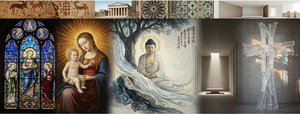
Illuminating Belief: A Visual Exploration of Faith Across Artistic Movements & Historical Contexts
Explore the rich history of faith through art! Discover Renaissance masterpieces, iconic artists & religious symbolism with expert analysis from OriginalUniqueArt. Perfect for collectors and enthusiasts.

Divine Splendor: A Guide to the Sacred Beauty and Symbolic Depth of High Medieval Art
Embark on a scholarly journey through the sacred beauty of High Medieval art. Discover the profound symbolism, luminous iconography, and spiritual depth of Gothic masterpieces in this expert guide for classical art enthusiasts.