

 实景预览
实景预览
 发送
发送 分享
分享
 详情
详情 指南
指南

 下载图片
下载图片
 相似作品
相似作品 X射线
X射线 幻灯片播放
幻灯片播放 统计数据
统计数据Madonna on the Turf Bench
 Engraving
- WallArt
- Northern Renaissance
 Renaissance
 12.0 x 8.0 cm
 柏林州立博物馆
 阅读全文
阅读全文
艺术微喷/版画
博物馆级艺术微喷或帆布版画,制作高效,并提供多种饰面选择。 ( 订购此收藏品的纯手工复刻画作 切换至数字图像销售渠道)




P118B $10

P118H $10

P118W $10

P438Z $10

P508JH $12

P508YH $12

P805H $10

P805Z $10

P919BZ $10

P919G $10

P919XJ $10

P959ZH $10

P968JZ $12

W106C $8

W218G $10

W218JH $8

W218Y $10

W307PJ $10

W316G $10

W316PJ $8

W316Y $10

W398PJ $8

W4111J $10

W500HY $15

W500JH $15

W692G $12

W849H $8

W940BG $15

W953PJ $8




您可以从与原作比例一致的预设尺寸中进行选择。

您可以输入自定义尺寸,以适配特定的画框或空间。如果您选择的尺寸与原图比例不符,我们将对作品进行裁剪,或通过镜像填充/纯色填充边缘的方式来扩展图像。在开始制作之前,我们会向您发送一份数字效果图供您确认。
请注意,屏幕上的预览并不能反映实际的裁剪或扩展效果。只有效果图才能准确展示最终的构图。
虽然我们提供定制尺寸,但为了保持原图比例,我们建议您从预设列表中选择尺寸。


 玻璃选项仅适用于110厘米以下的尺寸。

Madonna on the Turf Bench
艺术微喷/版画
复刻品尺寸说明
-


总计金额
$ 80
Madonna on the Turf Bench by Martin Schongauer
Martin Schongauer’s “Madonna on the Turf Bench,” created around 1480 during the High Renaissance, stands as an exquisite testament to Northern European artistic prowess and a profound exploration of faith. This captivating engraving captures a serene biblical scene—the Virgin Mary seated upon a simple turf bench—a composition imbued with meticulous detail that exemplifies Schongauer’s signature style and anticipates the monumental achievements of Albrecht Dürer.Composition & Technique: A Symphony of Line
The artwork's central balance is immediately striking; Mary occupies the visual core, drawing the eye inward while simultaneously anchoring the scene within a richly textured landscape backdrop. Schongauer masterfully employs hatching and cross-hatching techniques—a hallmark of Northern Renaissance engraving—to build up tonal variations that convey depth and realism. Fine lines delineate every element, from the folds of Mary’s robe to the individual blades of grass in the meadow, demonstrating an unparalleled command of linework. The inclusion of a small bird perched on a branch adds a subtle touch of life and contributes to the overall sense of tranquility. Geometric shapes—the bench itself—provide structural support while subtly guiding the viewer's gaze.Landscape & Symbolism: Harmony Amidst Nature
The expansive landscape surrounding Mary is more than mere decorative embellishment; it serves as a powerful symbol of God’s benevolent dominion over creation. Rolling hills, meandering waterways, and dense foliage converge to form a harmonious panorama—a deliberate contrast to the intimacy of the Madonna and Child tableau. This juxtaposition underscores themes of divine grace enveloping earthly existence, reflecting prevalent spiritual beliefs during Schongauer's time. The depiction of boats traversing the water suggests journeys toward salvation and reinforces the overarching narrative of faith and redemption.Schongauer’s Legacy: Influencing Artistic Innovation
Martin Schongauer is recognized as the foremost German engraver before Dürer, marking him as a pivotal figure in establishing printmaking as an art form. His meticulous attention to detail—a characteristic inherited from his goldsmithing training—directly influenced Albrecht Dürer's groundbreaking approach to engraving and solidified Schongauer’s position as a pioneer of artistic innovation. “Madonna on the Turf Bench” exemplifies this legacy, demonstrating Schongauer’s ability to translate visual observation into an emotionally resonant image that continues to inspire admiration centuries later.A Window Into Northern Renaissance Spirituality
“Madonna on the Turf Bench” transcends mere representation; it embodies the spiritual ethos of the Northern Renaissance—a period characterized by profound contemplation and a fervent devotion to religious iconography. The halo encircling Jesus’ head signifies his divine status, reinforcing the artwork's central message of piety and humility. Schongauer’s masterful engraving technique captures not only visual accuracy but also an intangible quality – a palpable sense of peace and reverence—making it a timeless masterpiece that resonates with viewers across generations.艺术家简介
马丁·雄格尔:北方文艺复兴版画大师
马丁·雄格尔,约于1450年出生于阿尔萨斯科尔马(今法国),是北方文艺复兴时期版画发展史上的关键人物。他出身于一个手工艺人家庭;他的父亲卡斯帕·雄格尔是一位金匠,大约在1440年前后从奥古斯堡移居科尔马。这个家族背景对马丁早期的艺术训练产生了深远影响,因为金匠技艺为他提供了精确细节和金属加工技术的坚实基础——这些技能可以直接应用于雕版画。雄格尔的父亲卡斯帕是一位技艺精湛的金匠,他的工作室成为了马丁最早接触艺术的地方,在那里,年轻的马丁学习了绘画、雕刻以及对细节的极致追求。
早年学艺与风格形成
1465年,雄格尔曾短暂就读于莱比锡大学,但他很快放弃了学术研究,全身心投入艺术创作。他最初师从当地一位受早期尼德兰绘画影响的画家卡斯帕·伊森曼,尤其受到罗吉尔·范·德·韦登的作品启发。这种早期接触尼德兰现实主义和对细节的关注将成为雄格尔自身风格的重要特征。在伊森曼的工作室里,马丁学习了油画技法、色彩运用以及构图技巧,并逐渐形成了自己独特的艺术语言。他开始尝试将金匠技艺中的精确性融入到绘画中,使得他的作品具有一种特殊的细腻和精致感。
哥特式美学与北方文艺复兴的融合
雄格尔的艺术风格以清晰、有条理的哥特式美学为基础,并融合了新兴的北方文艺复兴的影响。值得注意的是,他并没有直接受到意大利艺术的影响,而是从德国和早期尼德兰传统中汲取灵感。他的作品展现出精湛的细节刻画、富有表现力的形象以及对构图的深刻理解。雄格尔的作品并非简单的模仿或复制,而是在继承哥特式艺术的基础上进行创新和发展,形成了自己独特的风格体系。他擅长运用光影对比来增强画面的立体感和戏剧性效果,使得他的作品具有一种强烈的视觉冲击力。
主要成就与代表作
雄格尔最广为人知的成就是他的116幅版画,每一幅都署有他的标志。这些版画在欧洲广泛传播,对版画技术和艺术风格的发展产生了重大影响。他的版画作品通常描绘宗教场景、肖像以及寓言主题。其中,《玫瑰花园中的圣母》(1473)是一幅重要的绘画作品,充分展示了他细腻的细节刻画能力和情感深度。《圣安东尼的诱惑》、《牧羊人的朝拜》等版画作品则展现了他对雕版画技法的精湛掌握。雄格尔的版画不仅具有高度的艺术价值,还反映了当时社会的宗教信仰和文化思潮。
历史意义与深远影响
马丁·雄格尔对艺术界的影响是巨大的。他是第一批获得国际认可的德国艺术家之一。他的版画作品备受追捧并被广泛复制,将他的艺术风格传播到欧洲各地。甚至有记载表明米开朗基罗本人曾临摹过雄格尔的一幅版画——《圣安东尼的考验》,这充分说明了后世大师对雄格尔的高度评价。雄格尔的作品弥合了哥特式艺术与文艺复兴之间的差距,为阿尔布雷希特·丢勒等艺术家铺平了道路。他对雕版画技术的创新和对细节的执着追求,为版画史和北方欧洲艺术留下了持久的遗产。
逝世
马丁·雄格尔于1491年2月2日在布赖萨赫去世,留下了一批卓越的作品,这些作品至今仍因其艺术价值和历史意义而备受赞誉。他的版画作品不仅是研究北方文艺复兴时期艺术的重要资料,也是欣赏艺术美感的珍贵宝藏。

马丁·肖恩高尔
1450 - 1491 , 德国
快速概览
- 代表作品:
- 玫瑰丛中的圣母
- 116幅版画
- 出生地: 科尔马, 法国
- 出生日期: 约1450年
- 受影响者:
- 米开朗基罗
- 阿尔布雷希特·丢勒
- 国籍: 德国
- 姓名: 马丁·松高尔
- 影响者:
- 罗吉尔·范德韦登
- 卡斯帕·伊森曼
- 艺术运动或风格: 哥特艺术,北方文艺复兴
- 逝世日期: 1491年2月2日
相关文章

高檔藝術品複製技術:Giclée微噴的檔案品質與鑑賞細節
深入了解Giclée微噴技術:檔案品質、色彩還原的專業解析。探索高檔藝術品複製的細節與保存技巧,為您的收藏提供博物館級別的選擇。專家指導,確保完美呈現原作神韻。

The Intricate World of Engraving: A Historical Survey of Technique, Artistic Expression & Enduring Legacy
Explore the rich history of engraving with OriginalUniqueArt. Discover techniques, iconic artists like Dürer & Callot, collecting tips, and expert guidance for preserving your art investment. Learn about intaglio printing & more!

Engraving: A Historical Survey of Technique, Artistic Expression & Enduring Legacy
Explore the rich history of engraving with OriginalUniqueArt. Discover techniques, iconic artists like Dürer & Callot, collecting tips, and expert guidance for preserving your art investment. Learn about intaglio printing & more!

The Enduring Legacy of Fine Art Prints: Technique, History & Aesthetic Impact
Explore the rich history & techniques of fine art prints. Discover investment potential, assess authenticity, and learn how to preserve your collection with expert guidance. Trusted insights for discerning collectors.
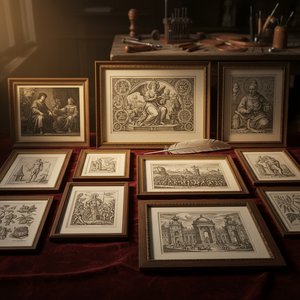
Engraving's Golden Age: 10 Masterpieces That Redefined Art | OriginalUniqueArt
Journey through art history with our Top 10 Legendary Engravings! Explore masterpieces by Dürer, Rembrandt & Goya. Discover the stories behind these iconic prints and find museum-quality reproductions for your home at OriginalUniqueArt.com.
