
 实景预览
实景预览
 分享
分享 分享
分享
 详情
详情 指南
指南

 下载作品
下载作品
 相似作品
相似作品 X射线
X射线 幻灯片播放
幻灯片播放 问答
问答 统计数据
统计数据Chirst befire pilate

 展开全文
展开全文
艺术微喷/版画
博物馆级艺术微喷或帆布版画,制作高效,并提供多种饰面选择。 ( 订购纯手工绘制画作 切换至数字图像销售渠道)




P118B ¥10

P118H ¥10

P118W ¥10

P438Z ¥10

P508JH ¥12

P508YH ¥12

P805H ¥10

P805Z ¥10

P919BZ ¥10

P919G ¥10

P919XJ ¥10

P959ZH ¥10

P968JZ ¥12

W106C ¥8

W218G ¥10

W218JH ¥8

W218Y ¥10

W307PJ ¥10

W316G ¥10

W316PJ ¥8

W316Y ¥10

W398PJ ¥8

W4111J ¥10

W500HY ¥15

W500JH ¥15

W692G ¥12

W849H ¥8

W940BG ¥15

W953PJ ¥8




您可以从与原作比例一致的预设尺寸中进行选择。

请输入您所需的宽度和高度,以适配您的画框或墙面。由于印刷品只能进行裁剪,无法超出原图尺寸,因此若比例不一致,画面的一部分将会被裁切。在正式印刷之前,我们会为您发送一份数字效果图供您确认。本页面显示的图片并非最终裁剪后的效果——只有效果图才能展示真实的裁剪情况。


 玻璃选项仅适用于110厘米以下的尺寸。

Chirst befire pilate
艺术微喷/版画
复刻品尺寸
-


最终结算价
¥ 544
Subject and Narrative Depth
This masterful engraving captures a pivotal moment from the Passion of Christ, depicting Him before Pontius Pilate. The scene is rich with emotional intensity, illustrating the tense interaction between the Roman governor and the condemned Christ. Surrounding figures, including soldiers and onlookers, add layers of narrative, emphasizing themes of judgment, authority, and divine sacrifice. The composition invites viewers to contemplate the gravity of this biblical event, evoking feelings of reverence, reflection, and spiritual introspection.Artistic Style and Technique
Created in the Northern Renaissance style, this piece exemplifies the meticulous craftsmanship of early printmaking. The artist employs fine lines, delicate cross-hatching, and stippling to achieve remarkable detail and depth. The monochromatic palette, relying solely on black ink against white paper, enhances the dramatic contrast and highlights the intricate textures of drapery, facial expressions, and architectural elements. The engraving technique allows for precise control over light and shadow, giving the scene a three-dimensional quality that draws viewers into its complex narrative.Historical Context and Significance
Produced during the late 15th century, this engraving reflects the burgeoning interest in religious themes and the development of printmaking as an art form. Artists like Martin Schongauer pioneered the use of detailed line work to communicate profound spiritual stories accessible to a broader audience. This work not only served as a devotional object but also as a means of disseminating biblical stories across Europe, influencing countless artists and engravers. Its historical importance lies in its role in shaping religious art and printmaking techniques during the Renaissance.Symbolism and Emotional Impact
Every element within this scene is imbued with symbolic meaning. The act of Pilate washing his hands signifies the abdication of moral responsibility, while the intense expressions of the figures convey a spectrum of human emotion—confusion, anger, compassion, and foreboding. The detailed rendering of gestures and facial features fosters a visceral connection, allowing viewers to experience the tension and solemnity of the moment. This engraving’s emotional power lies in its ability to evoke empathy and spiritual reflection, making it a compelling centerpiece for both private collections and sacred spaces.Perfect for Collectors and Interior Design
This high-quality reproduction offers art lovers, collectors, and interior designers an exceptional opportunity to own a piece of Renaissance religious artistry. Its intricate detail and historical significance make it a timeless addition to any collection or interior setting. Whether displayed in a study, gallery wall, or sacred space, this engraving provides a sophisticated focal point that inspires contemplation and admiration. Its enduring beauty and profound narrative make it an investment in both art and spiritual heritage.常见问题与解答
马丁·肖恩高尔 的《Chirst befire pilate》 的色彩饱和度如何?
马丁·肖恩高尔 的《Chirst befire pilate》 的色彩呈现出 Muted 的饱和度。饱和度描述了色彩的鲜艳或柔和程度。
在马丁·肖恩高尔反复探讨的主题中,"Chirst befire pilate"处于怎样的地位?
"Chirst befire pilate" 描绘了 religious scene, christ before pilate, judgment scene, religious print, detailed engraving, biblical event, narrative composition, monochrome art,而 马丁·肖恩高尔 的创作主题则以 religious biblical scene 见长。通过两者的对比,可以发现此作与艺术家惯用题材之间的内在联系。
如何发现与 马丁·肖恩高尔 的《Chirst befire pilate》 风格相近的艺术品?
马丁·肖恩高尔 的《Chirst befire pilate》 的 相似作品 页面展示了相关艺术作品。
艺术家简介
马丁·雄格尔:北方文艺复兴版画大师
马丁·雄格尔,约于1450年出生于阿尔萨斯科尔马(今法国),是北方文艺复兴时期版画发展史上的关键人物。他出身于一个手工艺人家庭;他的父亲卡斯帕·雄格尔是一位金匠,大约在1440年前后从奥古斯堡移居科尔马。这个家族背景对马丁早期的艺术训练产生了深远影响,因为金匠技艺为他提供了精确细节和金属加工技术的坚实基础——这些技能可以直接应用于雕版画。雄格尔的父亲卡斯帕是一位技艺精湛的金匠,他的工作室成为了马丁最早接触艺术的地方,在那里,年轻的马丁学习了绘画、雕刻以及对细节的极致追求。
早年学艺与风格形成
1465年,雄格尔曾短暂就读于莱比锡大学,但他很快放弃了学术研究,全身心投入艺术创作。他最初师从当地一位受早期尼德兰绘画影响的画家卡斯帕·伊森曼,尤其受到罗吉尔·范·德·韦登的作品启发。这种早期接触尼德兰现实主义和对细节的关注将成为雄格尔自身风格的重要特征。在伊森曼的工作室里,马丁学习了油画技法、色彩运用以及构图技巧,并逐渐形成了自己独特的艺术语言。他开始尝试将金匠技艺中的精确性融入到绘画中,使得他的作品具有一种特殊的细腻和精致感。
哥特式美学与北方文艺复兴的融合
雄格尔的艺术风格以清晰、有条理的哥特式美学为基础,并融合了新兴的北方文艺复兴的影响。值得注意的是,他并没有直接受到意大利艺术的影响,而是从德国和早期尼德兰传统中汲取灵感。他的作品展现出精湛的细节刻画、富有表现力的形象以及对构图的深刻理解。雄格尔的作品并非简单的模仿或复制,而是在继承哥特式艺术的基础上进行创新和发展,形成了自己独特的风格体系。他擅长运用光影对比来增强画面的立体感和戏剧性效果,使得他的作品具有一种强烈的视觉冲击力。
主要成就与代表作
雄格尔最广为人知的成就是他的116幅版画,每一幅都署有他的标志。这些版画在欧洲广泛传播,对版画技术和艺术风格的发展产生了重大影响。他的版画作品通常描绘宗教场景、肖像以及寓言主题。其中,《玫瑰花园中的圣母》(1473)是一幅重要的绘画作品,充分展示了他细腻的细节刻画能力和情感深度。《圣安东尼的诱惑》、《牧羊人的朝拜》等版画作品则展现了他对雕版画技法的精湛掌握。雄格尔的版画不仅具有高度的艺术价值,还反映了当时社会的宗教信仰和文化思潮。
历史意义与深远影响
马丁·雄格尔对艺术界的影响是巨大的。他是第一批获得国际认可的德国艺术家之一。他的版画作品备受追捧并被广泛复制,将他的艺术风格传播到欧洲各地。甚至有记载表明米开朗基罗本人曾临摹过雄格尔的一幅版画——《圣安东尼的考验》,这充分说明了后世大师对雄格尔的高度评价。雄格尔的作品弥合了哥特式艺术与文艺复兴之间的差距,为阿尔布雷希特·丢勒等艺术家铺平了道路。他对雕版画技术的创新和对细节的执着追求,为版画史和北方欧洲艺术留下了持久的遗产。
逝世
马丁·雄格尔于1491年2月2日在布赖萨赫去世,留下了一批卓越的作品,这些作品至今仍因其艺术价值和历史意义而备受赞誉。他的版画作品不仅是研究北方文艺复兴时期艺术的重要资料,也是欣赏艺术美感的珍贵宝藏。

马丁·肖恩高尔
1450 - 1491 , 德国
艺术家简介
- 代表作品:
- 玫瑰丛中的圣母
- 116幅版画
- 出生地: 科尔马, 法国
- 出生日期: 约1450年
- 受影响者:
- 米开朗基罗
- 阿尔布雷希特·丢勒
- 国籍: 德国
- 姓名: 马丁·松高尔
- 影响者:
- 罗吉尔·范德韦登
- 卡斯帕·伊森曼
- 艺术运动或风格: 哥特艺术,北方文艺复兴
- 逝世日期: 1491年2月2日
相关文章

The Art of Devotion: Capturing the Grandeur and Spiritual Drama of Religious Processions in Art History
Explore the profound beauty of religious processions in art history. From Baroque drama to spiritual transcendence, discover how masters captured faith. OriginalUniqueArt.com offers exquisite, hand-painted oil reproductions for discerning collectors seeking timeless grandeur.

佛罗伦萨文艺复兴大师:安杰利科25幅传世名作赏析 | OriginalUniqueArt
探索佛罗伦萨文艺复兴大师安杰利科的25幅传世名作!深入了解其宗教绘画、壁画艺术与天使般的风格。OriginalUniqueArt.com提供高清复制品及精选装饰画,为您的室内空间增添永恒之美。立即在线探索完整系列!
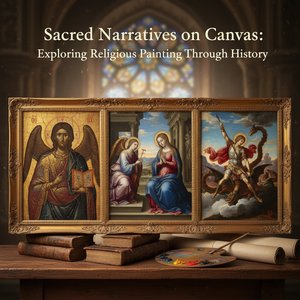
Sacred Narratives on Canvas: Exploring Religious Painting Through History
Explore the rich history of religious painting with OriginalUniqueArt.com! Discover iconic artworks, symbolism & techniques from antiquity to the Renaissance. Enhance your art appreciation today.
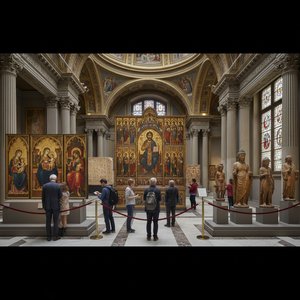
Sacred Narratives Embodied: A Comprehensive Exploration of Religious Iconography in Art History
Explore the rich history of religious iconography in art! Discover symbolism, movements & masterpieces from Byzantine to Renaissance periods. Expert insights for collectors and enthusiasts at OriginalUniqueArt.

Sacred Symbols: Decoding the Iconography and Spiritual Power of the World’s Greatest Religious Masterpieces
Explore the profound history and symbolism of the world's greatest religious artworks. From Byzantine icons to Renaissance masters, journey through sacred iconography with our expert guide and discover museum-quality, hand-painted oil reproductions for your collection.
