切换至版画销售渠道
 展开全文
展开全文







































 对于任何边长超过 105 厘米(约 41 英寸)的艺术品或复制品,画框将以拆解后的组件形式发货。此方法可确保安全送达并防止运输过程中的损坏。


Marlene Dumas: Confronting Mortality Through Fragmented Portraits
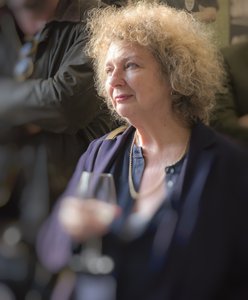
Marlene Dumas’s paintings stand apart in contemporary art—not merely for their aesthetic qualities but for the profound emotional resonance they evoke. Born in Cape Town, South Africa, in 1953, Dumas’s artistic vision is inextricably linked to her formative experiences amidst the turbulent landscape of apartheid, an encounter that instilled within her a deep understanding of social injustice and the complexities inherent in human identity.
Her upbringing on her father’s vineyard offered glimpses into both beauty and hardship—a duality that would permeate her oeuvre. Observing firsthand the divisions and inequalities shaping South African society during those years fueled her desire to explore themes of race, sexuality, and vulnerability through art. Dumas honed her skills at the University of Cape Town before relocating to Amsterdam, where she pursued studies in painting and psychology simultaneously.
This dual pursuit provided a crucial foundation for her artistic practice, fostering an intellectual curiosity that complemented her intuitive sensitivity to visual form. Dumas’s method is characterized by a deliberate rejection of traditional techniques—she eschews meticulous detail, favoring instead loose brushstrokes and washes of pigment that prioritize atmosphere and emotion over precise representation.
Her subjects are drawn from a private archive of photographs, encompassing an astonishing array of figures: children, pornographic nudes, corpses, torture victims, and terrorists. This selection reflects Dumas’s unwavering commitment to confronting uncomfortable truths about human experience—a boldness that aligns her work with the broader trajectory of the Pictures Generation and photography's expanding influence on artistic expression.
Crucially, Dumas doesn’t merely reproduce images; she transforms them, reclaiming corporeality from their photographic origins. Her paintings disrupt the source material they derive from, mirroring the fragmented nature of memory and perception. The resulting compositions often explore eroticism—ranging from explicit depictions of sexual acts to lyrical evocations of desire—demonstrating a willingness to grapple with taboo subjects.
Despite portraying scenes of death or brutality, Dumas’s intention isn't to shock but rather to reveal—to expose the vulnerability inherent in human existence and to challenge viewers to confront their own biases. Her recent works delve into pressing social issues, addressing legacies of apartheid and responding to pivotal historical moments like September 11th.
“Skulls,” created in 2015, exemplifies Dumas’s distinctive style—a series of portraits rendered in muted tones against stark white backgrounds. The skulls themselves are presented as individual objects on a wall, emphasizing their materiality and confronting viewers with the inevitability of mortality. The painting's simplicity underscores its emotional impact, inviting contemplation about loss, remembrance, and the enduring presence of death.
Currently housed at la Biennale di Venezia (Venice, Italy), “Skulls” stands as a testament to Dumas’s ability to distill complex ideas into visually arresting compositions. Its understated elegance speaks volumes about her artistic philosophy—a dedication to capturing fleeting moments of human emotion with unwavering honesty and sensitivity.
- Artist: Marlene Dumas
- Born Year: 1953
- Death Year: Living
- Birth City: Cape Town
- Birth Country: South Africa
Explore the captivating beauty and poignant reflection of Marlene Dumas’s “Skulls” – a masterpiece that embodies her signature style and confronts viewers with profound questions about life, death, and human experience.
常见问题与解答
"Skulls" 的主题与 玛琳·杜马斯 常有的创作主题有何关联?
在玛琳·杜马斯已记录的主题——photography, emotion, death, gender bias, sept 11 legacy——之中,"Skulls" 则将焦点转向了skull, portrait, human form, photography, emotion, death, nakedness。
"Skulls" 属于 玛琳·杜马斯 艺术生涯中的哪个时期?
在玛琳·杜马斯的艺术生涯中,"Skulls"创作于Mature Period时期。这一阶段有助于将其与艺术家的其他作品进行比较。
 实景预览
实景预览
 分享
分享 分享
分享
 详情
详情 指南
指南

 下载作品
下载作品
 相似作品
相似作品 X射线
X射线 幻灯片播放
幻灯片播放 问答
问答 统计数据
统计数据