切换至版画销售渠道
 展开全文
展开全文







































 对于任何边长超过 105 厘米(约 41 英寸)的艺术品或复制品,画框将以拆解后的组件形式发货。此方法可确保安全送达并防止运输过程中的损坏。


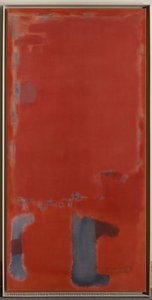
A Moment Frozen in Time: Examining ‘The Pugilist’ by Mark Rothko
Mark Rothko's “The Pugilist,” painted in 1933, stands as a testament to the burgeoning spirit of Abstract Expressionism and its exploration of profound human emotion. More than just a depiction of three men engaged in conversation around a dining table—though that visual element certainly contributes to the scene’s atmosphere—the painting delves into themes of camaraderie, vulnerability, and perhaps even unspoken tension within a carefully constructed space.
- Subject Matter: The artwork centers on a group of men seated at a table, capturing an intimate tableau of human interaction.
- Style: Rothko’s signature Color Field technique dominates the composition. Large rectangular blocks of color—primarily muted reds and oranges—merge seamlessly to create expansive canvases that prioritize tonal harmony over representational detail.
- Technique: Rothko achieved this mesmerizing effect through meticulous layering of thin washes of pigment, allowing for subtle gradations of hue and luminosity. This painstaking process aimed to evoke feelings rather than simply portraying a visual reality.
The historical context surrounding “The Pugilist” is crucial to understanding its significance. Created during the early years of Rothko’s artistic career, it reflects the anxieties and uncertainties prevalent in Europe following the Great Depression. The artist himself described his intention as striving to express "the immensity of human suffering," a sentiment powerfully conveyed through the painting's subdued palette.
Symbolism: While Rothko deliberately avoided explicit symbolism—rejecting any preconceived notions of narrative—the colors themselves carry considerable weight. The reds and oranges evoke warmth, passion, and perhaps even aggression, subtly mirroring the dynamics between the men in the room. Simultaneously, their muted tones convey a sense of melancholy and contemplation, inviting viewers to grapple with existential questions about life’s complexities.
Ultimately, “The Pugist” succeeds in capturing a fleeting moment of human connection against a backdrop of quiet introspection. Rothko's masterful use of Color Field painting elevates the artwork beyond mere visual representation, transforming it into an emotionally resonant experience that continues to captivate audiences today. Its enduring appeal lies in its ability to provoke contemplation and evoke feelings of empathy—a remarkable achievement for an artist committed to conveying universal truths through abstract form.
常见问题与解答
"The Pugilist" 的色彩呈现出浓郁还是柔和的视觉感?
马克·罗斯科 的《The Pugilist》 中的色彩呈现出 Balanced 的强度。
马克·罗斯科 的《The Pugilist》 的版权情况是如何界定的?
马克·罗斯科 的《The Pugilist》 已进入 仍受版权保护。版权保护期自艺术家逝世之日起计算,该艺术家于 1970 年逝世。
如何下载 马克·罗斯科 的《The Pugilist》 的图片?
"The Pugilist" 可供下载:您可以在该作品的 下载数字图像 页面进行 高分辨率数字图像下载。
 实景预览
实景预览
 分享
分享 分享
分享
 详情
详情 指南
指南

 下载作品
下载作品
 相似作品
相似作品 X射线
X射线 幻灯片播放
幻灯片播放 问答
问答 统计数据
统计数据