

 实景预览
实景预览
 发送
发送 分享
分享
 详情
详情 指南
指南

 下载图片
下载图片
 相似作品
相似作品 X射线
X射线 幻灯片播放
幻灯片播放 统计数据
统计数据Man Smoking
 Oil On Canvas
- WallArt
- Early Modernism
 1933
1933- Modern
 90.0 x 70.0 cm
 阅读全文
阅读全文
艺术微喷/版画
博物馆级艺术微喷或帆布版画,制作高效,并提供多种饰面选择。 ( 订购此收藏品的纯手工复刻画作 切换至数字图像销售渠道)




P118B ¥10

P118H ¥10

P118W ¥10

P438Z ¥10

P508JH ¥12

P508YH ¥12

P805H ¥10

P805Z ¥10

P919BZ ¥10

P919G ¥10

P919XJ ¥10

P959ZH ¥10

P968JZ ¥12

W106C ¥8

W218G ¥10

W218JH ¥8

W218Y ¥10

W307PJ ¥10

W316G ¥10

W316PJ ¥8

W316Y ¥10

W398PJ ¥8

W4111J ¥10

W500HY ¥15

W500JH ¥15

W692G ¥12

W849H ¥8

W940BG ¥15

W953PJ ¥8




您可以从与原作比例一致的预设尺寸中进行选择。

请输入您所需的宽度和高度,以适配您的画框或墙面。由于印刷品只能进行裁剪,无法超出原图尺寸,因此若比例不一致,画面的一部分将会被裁切。在正式印刷之前,我们会为您发送一份数字效果图供您确认。本页面显示的图片并非最终裁剪后的效果——只有效果图才能展示真实的裁剪情况。


 玻璃选项仅适用于110厘米以下的尺寸。

Man Smoking
艺术微喷/版画
复刻品尺寸说明
-


总计金额
¥ 538
A Quiet Resonance: The Soul of Mark Rothko’s Early Vision
In the annals of modern art, few names evoke as much profound emotion as Mark Rothko. While many remember him for his towering, luminous color fields that define Abstract Expressionism, his earlier works offer a hauntingly beautiful window into a more figurative, yet equally spiritual, era of his development. His 1933 masterpiece, Man Smoking, serves as a poignant testament to this formative period. This painting is not merely a depiction of figures; it is an exploration of the human condition, captured through a lens of early modernism and deep-seated Expressionist influence. To encounter this work is to step into a space of quiet introspection, where the boundaries between the physical subject and the emotional atmosphere begin to dissolve.
The composition of Man Smoking establishes an immediate sense of stillness. Though the title suggests a singular, perhaps casual action, the visual reality presents a much more intimate and tender scene: a woman cradling a baby. Positioned slightly off-center within a vertical orientation, this central duo creates a subtle dynamic tension that draws the viewer into their private world. In the soft shadows of the background, two other indistinct figures linger, providing a sense of depth and suggesting a larger, perhaps more complex, domestic or social narrative. This arrangement avoids rigid symmetry, opting instead for an organic flow that mirrors the unpredictable nature of memory and emotion.
The Alchemy of Color and Technique
Rothko’s mastery in this period lies in his ability to use color as a direct conduit to the subconscious. Eschewing vibrant or aggressive hues, he employs a restrained, earthy palette dominated by deep reds, somber browns, muted greens, and aged yellows. These colors do not sit atop one another; rather, they bleed and merge through a meticulous technique of layering thin, translucent washes. This method creates an ethereal, almost luminous quality, where the light seems to emanate from within the canvas itself. The brushstrokes are so subtle as to be nearly imperceptible, leaving behind a surface that feels smooth yet textured with the weight of accumulated layers.
This technique is essential to the painting's emotional impact. By softening edges and blurring forms, Rothko moves away from photographic accuracy toward an essence of being. The figures are rendered as masses of color and light rather than sharply defined anatomical studies. This approach allows the viewer to project their own feelings onto the canvas, making the artwork a deeply personal experience. For the collector or interior designer, this quality makes the piece incredibly versatile; it possesses a quiet gravity that can anchor a room, providing a focal point that invites contemplation without demanding attention through sheer loudness.
Symbolism and the Weight of History
To truly appreciate Man Smoking, one must consider the historical and personal context of its creator. Born in Latvia as Markus Rothkowitz, Rothko’s early life was shaped by the anxieties of displacement and the cultural upheavities of a Jewish family navigating the Pale of Settlement. This sense of vulnerability and the search for stability are woven into the very fabric of the painting. The themes of maternal protection and familial connection seen in the central figures act as a counterpoint to the underlying tones of melancholy and solitude that permeate the work.
The intriguing discrepancy between the title and the visual subject—the absence of a visible man smoking—adds a layer of symbolic mystery. It invites the viewer to look beyond the literal, suggesting that the "smoking" might be a metaphor for a fleeting moment of contemplation or a lingering shadow of an absent presence. This ambiguity is where the true power of the piece resides. For those seeking to adorn their spaces with art that possesses intellectual depth and emotional resonance, a high-quality reproduction of this Rothko masterpiece offers more than just decoration; it offers a portal into the enduring human struggle for meaning amidst the shadows of existence.
问答详情
是否可以下载"Man Smoking"的高分辨率版本?
您可以在 数字图像 页面直接购买 “Man Smoking” 的 高分辨率数字图像下载。
"Man Smoking" 在 Early Modernism 流派中有多高的知名度?
马克·罗斯科 的《Man Smoking》 被归类为 Iconic,并属于 Early Modernism 流派。
马克·罗斯科 的《Man Smoking》 的整体基调是什么?
马克·罗斯科 的《Man Smoking》 的整体基调为 Dramatic。这种基调描述了作品的整体氛围。
艺术家简介
马克·罗斯科:色彩的诗意与灵魂的回响
马克·罗斯科,这位生于1903年的拉脱维亚裔美国画家,以其标志性的“色彩田”绘画风格深刻地影响了20世纪的艺术发展。他的作品并非描绘具象的世界,而是通过纯粹的色彩和形式,直达人类灵魂深处的情感与精神领域。罗斯科的人生轨迹本身就充满了戏剧性:从拉脱维亚的 Dvinsk 小镇到俄勒冈州的波特兰,再到繁华喧嚣的纽约,每一次迁徙都伴随着文化冲击与身份认同的挣扎。童年时期目睹的社会动荡和家庭变故,为他日后的艺术创作奠定了深刻的情感基调——一种对人类苦难的敏感以及对存在意义的永恒追问。早期的绘画探索中,罗斯科尝试过写实风格,描绘城市景观与人物肖像,但这些作品中已隐约可见他对色彩和构图的独特理解。二战后的时代背景,促使他逐渐放弃具象表现,转而寻求更深层次的情感表达。受到超现实主义和神话故事的影响,罗斯科开始尝试用象征性的形式来传达内心的情感与精神体验。从具象到抽象:色彩的觉醒
在1940年代,罗斯科的艺术创作进入了一个关键的转型期。他逐渐摒弃了传统的绘画技巧和主题,转而探索纯粹的色彩和形式所能表达的情感力量。这一转变并非一蹴而就,而是经过了漫长的实验与探索。早期的作品中,我们仍能看到一些具象元素的痕迹,例如模糊的人物轮廓或抽象的几何形状。然而,随着时间的推移,罗斯科越来越倾向于用大面积的色彩来填满整个画布,从而创造出一种沉浸式的视觉体验。他开始对色彩的微妙变化和相互作用进行深入研究,试图通过色彩的组合来唤起观众内心深处的情感共鸣。这种对色彩的敏锐感知,以及对形式的简化处理,最终促使罗斯科形成了其独特的“色彩田”绘画风格。他的作品不再是简单的图像,而是成为了情感与精神的载体,能够引发人们对生命、死亡、爱与希望等永恒主题的思考。色彩田:灵魂的沉浸
罗斯科的“色彩田”绘画之所以具有如此强大的感染力,在于其独特的视觉语言和深刻的精神内涵。他的作品通常由几个巨大的矩形色块组成,这些色块相互叠加、渗透,形成一种流动而富有张力的画面效果。罗斯科对色彩的选择并非随意,而是经过了精心的考量。他常常使用深沉的红色、蓝色、绿色等颜色,以表达人类情感的复杂性和多样性。在创作过程中,罗斯科会反复涂抹和晕染颜料,使色彩之间产生微妙的变化和过渡,从而营造出一种朦胧而神秘的氛围。观者站在他的画作面前时,仿佛置身于一片广阔无垠的色彩海洋之中,被深深地吸引和包围。这种沉浸式的视觉体验,能够有效地屏蔽外界的干扰,使人们更加专注于内心的情感与精神世界。罗斯科希望通过他的作品,为观众提供一个安静而祥和的空间,让他们可以自由地思考、感受和冥想。世纪之作:西格拉姆壁画与罗斯科礼拜堂
在罗斯科的艺术生涯中,有两件作品尤为突出,它们不仅代表了他艺术风格的最高成就,也深刻地影响了后世的艺术发展。第一件是“西格拉姆壁画”,这组壁画原本是为了装饰纽约四季酒店而创作的。然而,罗斯科最终拒绝了这一委托,因为他认为将自己的作品置于商业场所是不合适的。他将这些壁画捐赠给了大英博物馆等机构,让更多的人能够欣赏到它们的美丽与力量。第二件是“罗斯科礼拜堂”,位于得克萨斯州的休斯顿。这座非传统的礼拜堂内部装饰着十四幅罗斯科的绘画作品,营造出一种庄严肃穆而又充满灵性的氛围。罗斯科礼拜堂被誉为现代艺术的圣殿,吸引了来自世界各地的朝圣者和艺术爱好者。这两件作品充分体现了罗斯科对艺术的深刻理解和对人类精神的关怀。永恒的回响:罗斯科的遗产
马克·罗斯科于1970年自杀身亡,结束了他短暂而辉煌的一生。然而,他的艺术却穿越时空,继续影响着一代又一代的艺术家和观众。罗斯科的作品不仅在美术馆和博物馆中被广泛收藏,也在世界各地的家庭和办公室里被人们所珍视。他开创了“色彩田”绘画这一独特的艺术风格,为抽象表现主义的发展做出了重要贡献。他的作品对极简主义、观念艺术等后现代艺术流派产生了深远的影响。罗斯科的艺术遗产不仅在于其作品的美学价值,更在于其深刻的精神内涵。他提醒我们关注人类情感的复杂性和多样性,鼓励我们探索内心世界的奥秘,并追求更高层次的精神境界。他的作品是色彩的诗意,也是灵魂的回响,将永远在艺术史上留下浓墨重彩的一笔。- 罗斯科的作品常常引发人们对生命、死亡、爱与希望等永恒主题的思考。
- 他开创了“色彩田”绘画这一独特的艺术风格,为抽象表现主义的发展做出了重要贡献。
- 罗斯科礼拜堂被誉为现代艺术的圣殿,吸引了来自世界各地的朝圣者和艺术爱好者。

马克·罗斯科
1903 - 1970 , 拉脱维亚
快速概览
- Artistic Movement Or Style: 抽象表现主义,色彩田野绘画
- Artists Or Movements Influenced By This Artist:
- 极简主义 (Minimalism)
- 抽象表现主义 (Abstract Expressionism)
- Artists Who Influenced This Artist:
- 保罗·塞尚 (Paul Cézanne)
- 米尔顿·埃弗里 (Milton Avery)
- Date Of Birth: 1903年9月25日
- Date Of Death: 1970年2月25日
- Full Name: 马克·罗斯科 (Mark Rothko)
- Nationality: 美国
- Notable Artworks:
- No. 10 (1950)
- 西格拉姆壁画 (Seagram Murals)
- 罗斯科礼拜堂 (Rothko Chapel)
- Place Of Birth: 拉脱维亚达乌格帕维尔斯 (Daugavpils, Latvia)
相关文章
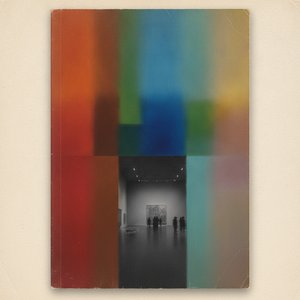
The Essence of Abstraction: A Definitive Guide to the Power and History of Color Field Painting Masterpieces
Explore the profound emotional depth of Color Field painting. Our expert guide delves into the post-war origins of Abstract Expressionism, analyzing masterpieces by Rothko and Newman. Discover museum-grade, hand-painted oil reproductions that bring art history to your walls.

抽象表现主义:十幅定义艺术史的杰作
探索抽象表现主义的十幅经典杰作!波洛克、罗斯科等大师作品,揭秘艺术史上的重要瞬间。OriginalUniqueArt.com为您呈现高品质艺术品复制和精选家居装饰方案,感受现代艺术的力量与魅力。立即浏览全系列!
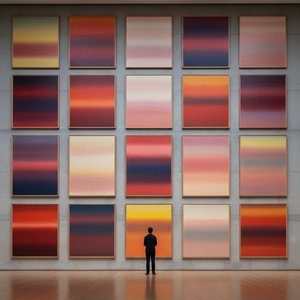
马克·罗斯科25幅杰作:色彩与情感的深度之旅 | OriginalUniqueArt
探索马克·罗斯科25幅杰作,感受抽象表现主义的色彩力量与深刻情感。从经典色域绘画到无题系列,了解艺术史上的大师及其作品背后的故事。OriginalUniqueArt.com提供博物馆级高质量复制品,为您的家居装饰带来艺术灵感!立即探索完整收藏。

The Sublimity of Color: Exploring the Emotional Landscapes of Mark Rothko's Abstract Expressionism
Explore the profound emotional depth of Mark Rothko's abstract expressionism. Discover the history, techniques & lasting impact of this pivotal Color Field painter. Expert insights for collectors and art enthusiasts.
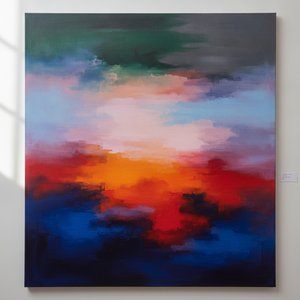
Color Field Painting: The Emotional Power of Pure Abstraction and Chromatic Depth
Explore the profound emotional depth of Color Field painting. Discover the history of mid-century abstraction, from Rothko to Newman, and learn how pure color transforms the viewer's experience through our expert art history guide.


