

 实景预览
实景预览
 发送
发送 分享
分享
 详情
详情 指南
指南

 下载图片
下载图片
 相似作品
相似作品 X射线
X射线 幻灯片播放
幻灯片播放 统计数据
统计数据Paradise


 阅读全文
阅读全文
艺术微喷/版画
博物馆级艺术微喷或帆布版画,制作高效,并提供多种饰面选择。 ( 订购此收藏品的纯手工复刻画作 切换至数字图像销售渠道)




P118B ¥10

P118H ¥10

P118W ¥10

P438Z ¥10

P508JH ¥12

P508YH ¥12

P805H ¥10

P805Z ¥10

P919BZ ¥10

P919G ¥10

P919XJ ¥10

P959ZH ¥10

P968JZ ¥12

W106C ¥8

W218G ¥10

W218JH ¥8

W218Y ¥10

W307PJ ¥10

W316G ¥10

W316PJ ¥8

W316Y ¥10

W398PJ ¥8

W4111J ¥10

W500HY ¥15

W500JH ¥15

W692G ¥12

W849H ¥8

W940BG ¥15

W953PJ ¥8




您可以从与原作比例一致的预设尺寸中进行选择。

请输入您所需的宽度和高度,以适配您的画框或墙面。由于印刷品只能进行裁剪,无法超出原图尺寸,因此若比例不一致,画面的一部分将会被裁切。在正式印刷之前,我们会为您发送一份数字效果图供您确认。本页面显示的图片并非最终裁剪后的效果——只有效果图才能展示真实的裁剪情况。


 玻璃选项仅适用于110厘米以下的尺寸。

Paradise
艺术微喷/版画
复刻品尺寸说明
-


总计金额
¥ 537
A Glimpse of Paradise: Duchamp’s Subversion of Eden
Marcel Duchamp's *Paradise* (circa 1918-1927) is a captivating and deliberately unsettling take on the traditional depiction of Adam and Eve. Far removed from the idyllic Renaissance visions of the Garden, Duchamp presents a scene charged with psychological tension and ambiguity. The painting, executed in oil on canvas, immediately draws the viewer into its complex world through bold color choices and fragmented forms.Deconstructing the Myth: Style & Technique
While often categorized within Post-Impressionism due to its departure from strict realism, *Paradise* defies easy categorization. Duchamp’s style here is a precursor to his later explorations in Cubism and Surrealism. The figures are not rendered with anatomical precision; instead, they are constructed from simplified planes and angular lines. This deliberate distortion creates a sense of unease and challenges conventional notions of beauty. The application of oil paint is visible – thick impasto adds texture and depth, while swirling brushstrokes contribute to the painting’s dynamic energy. The background isn't a lush garden but an abstract space filled with dark, ominous shapes and flashes of red, hinting at impending doom or internal conflict.Symbolism & Interpretation
The composition is striking: Adam stands rigidly, defensively covering his genitals – a gesture that feels less about shame and more about guardedness. Eve sits on the ground, her pose suggesting both vulnerability and a knowing awareness. Their gaze isn’t one of innocent connection but rather an intense, almost confrontational exchange. The title itself is ironic. Duchamp doesn't offer a vision of blissful harmony; instead, he presents a fractured paradise – a world already tainted by knowledge and desire. The painting can be interpreted as a commentary on the loss of innocence, the complexities of human relationships, or even a premonition of societal anxieties in the wake of World War I. The deliberate ambiguity is key to Duchamp’s artistic intent; he invites viewers to project their own interpretations onto the work.Historical Context & Artistic Influences
Created during a period of radical experimentation in art, *Paradise* reflects Duchamp's rejection of traditional academic painting. While influenced by artists like Paul Cézanne and Vincent van Gogh – particularly in his use of color and expressive brushwork – Duchamp quickly moved beyond their styles to forge his own unique path. He was deeply engaged with the intellectual currents of his time, including Freudian psychoanalysis and emerging theories about perception and consciousness. This painting foreshadows his later “readymades” – found objects presented as art – by questioning the very definition of artistic creation.Emotional Impact & Interior Design Considerations
*Paradise* is not a comforting or decorative piece; it’s a work that demands attention and provokes thought. Its dark palette and unsettling imagery create a sense of drama and intrigue. For interior design, this painting would serve as a powerful focal point in a modern or contemporary space. It pairs well with minimalist furnishings and neutral color schemes, allowing the artwork to take center stage.- Its bold forms and striking composition make it suitable for living rooms, studies, or dining areas.
- Consider pairing it with sculptural elements that echo its angularity.
- The painting’s emotional intensity requires careful consideration of the surrounding décor; avoid overly bright or cheerful colors that might clash with its somber mood.
艺术家简介
马塞尔·杜尚:观念艺术的先驱与艺术定义的颠覆者
马塞尔·杜尚(Marcel Duchamp,1887-1968)并非仅仅一位艺术家,更是一位深刻的思想家和艺术界的革命者。他以其独特的视角和前卫的实践,彻底改变了人们对艺术的理解,为20世纪现代艺术的发展奠定了基石。出生于法国布莱尼维尔-叙默的小镇,杜尚早年便展现出对艺术的热情,并在巴黎美术学院学习过短暂的一段时间。然而,他很快意识到传统的艺术教育并不能满足他对艺术本质的深刻探究。他并非仅仅追求绘画技巧的精湛,而是渴望挑战艺术的定义、目的以及其在社会中的角色。这种不安于现状的精神,最终促使他走上了颠覆传统艺术观念的道路。从立体主义到达达:对传统的决绝
杜尚的艺术生涯充满了不断地探索和转变。早期的作品受到立体主义的影响,例如《象棋棋手肖像》(1911),展现了他对碎片化形式和多重视角的兴趣。然而,他很快超越了单纯的视觉美学追求,意识到仅仅通过重新排列视觉元素并不能触及更深层次的问题。一战的残酷现实进一步加剧了他的不满,促使他投身于达达主义运动。在达达主义的影响下,杜尚开始对艺术的传统观念发起挑战。他不再致力于创造令人愉悦的美丽物体,而是希望通过作品引发思考、质疑假设,并揭示审美判断的任意性。《着装下楼的裸女》(1912)激怒了许多立体主义画家,因为它既借鉴了立体主义的色彩和形式,又融入了对运动的描绘以及对女性形象的解构。杜尚逐渐将艺术创作从视觉愉悦转向观念表达。“现成品”:颠覆艺术定义的钥匙
杜尚最伟大的贡献莫过于“现成品”(readymade)的概念。这是一种将日常工业制品作为艺术品的做法,是对传统艺术技能和作者概念的直接挑战。他选择的物品往往是普通到难以想象的事物,例如小便池(《泉》,1917),经过他的重新命名和署名“R. Mutt”,便被提升为一件艺术品。这件作品提交给独立艺术家展览时,引发了巨大的争议,迫使人们重新思考什么是艺术、谁可以定义艺术以及艺术的价值所在。《L.H.O.O.Q》(1919)则是一张蒙娜丽莎的明信片,上面被杜尚画上了胡须和猴子的眼睛,是对艺术史经典作品的戏仿与解构。这些“现成品”并非仅仅是简单的物品摆设,而是艺术家观念的具象化,它们挑战了人们对艺术的固有认知,强调了思想在艺术创作中的主导地位。《巨大的玻璃》:象征主义的迷宫
杜尚耗费近十年时间创作的巨幅作品《巨大的玻璃》(The Large Glass,1915-1923)是其艺术生涯中最具野心的项目之一。这件作品由两块巨大的玻璃面板组成,上面绘制着复杂的符号和图像,构成了一个神秘而迷人的世界。它被解读为对浪漫主义、工业化以及人类欲望的复杂思考。《巨大的玻璃》并非一件容易理解的作品,它的象征意义充满了歧义,但正是这种模糊性和开放性吸引了无数观众和艺术评论家。杜尚本人也从未明确解释其含义,而是鼓励观者进行自由的解读和想象。持久的影响与遗产
马塞尔·杜尚对后世艺术家的影响是深远的。他为观念艺术的发展铺平了道路,启发了极简主义、波普艺术等一系列重要的艺术运动。他对艺术定义的质疑以及对艺术家角色重新审视的态度,至今仍激励着当代艺术家不断探索艺术的边界。《现成品》的概念彻底改变了人们对艺术创作方式的理解,强调了观念在艺术中的重要性。杜尚的作品并非仅仅是视觉上的享受,更是思想的挑战和精神的启迪。他是一位真正的革命者,用他的作品颠覆了传统的艺术观念,为现代艺术的发展开辟了新的道路。他留下的遗产,不仅仅是一系列具有历史意义的艺术品,更是一种对艺术本质的深刻思考,一种永不妥协的精神。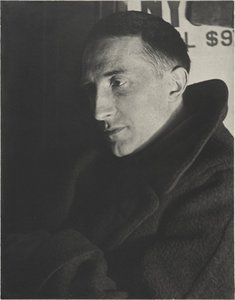
马塞尔·杜尚
1887 - 1968 , 法国
快速概览
- Artistic Movement Or Style:
- 立体主义
- 达达主义
- 观念艺术
- Artists Or Movements Influenced By This Artist:
- 观念艺术
- 波普艺术
- 极简主义
- Date Of Birth: 1887年7月28日
- Date Of Death: 1968年10月2日
- Full Name: 马塞尔·杜尚
- Nationality: 法国裔美国人
- Notable Artworks:
- 《下楼的裸女》
- 《泉》
- 《大型玻璃》
- 《波伊特-恩-瓦莱兹》
- Place Of Birth: 布莱尼维尔-苏尔-默,法国
相关文章

后印象主义十大名作:重塑艺术,点亮生活美学
探索后印象主义的十部杰作,从梵高的星空到高更的塔希提风情。了解艺术大师背后的故事与技法,感受色彩与光线的魅力。OriginalUniqueArt.com为您提供博物馆品质的画作复制和精选家居装饰方案,点亮您的生活美学!

光与影的彼岸:印象派与后印象派艺术收藏家的鉴赏之旅
深入探索印象派与后印象派艺术世界的瑰丽魅力。OriginalUniqueArt为您提供专业的艺术收藏建议、定制油画服务,助您构建独一无二的臻品系列。了解大师作品背后的故事,提升您的艺术鉴赏力。

光影与灵魂的革命:深度解析印象派与后印象派的艺术魅力与美学演变
探索印象派与后印象派的艺术革命。本文深度解析莫内、梵高、塞尚等大师如何通过光影与色彩重塑现代美学。作为全球领先的艺术品交易平台,OriginalUniqueArt为您呈现博物馆级的纯手工油画复刻,以精湛技艺捕捉名画神韵,为您的私人收藏与高端空间装饰注入永恒的艺术灵魂。
印象主义之外:探索后印象派绘画的情感深度
深入探索后印象派绘画的情感深度,解读塞尚、梵高、高更等大师的艺术创新。OriginalUniqueArt提供专业的艺术史分析与高清作品欣赏,助您领略现代艺术魅力!
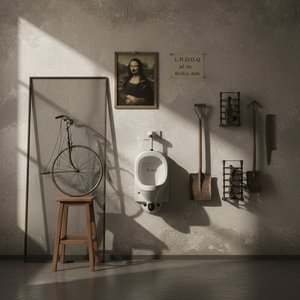
Marcel Duchamp: Challenging Conventions & Redefining Art in the 20th Century
Explore the revolutionary art of Marcel Duchamp! Discover how his Dadaist readymades challenged artistic conventions & redefined modern art. A deep dive into 'Fountain', conceptual shifts, and his lasting impact.


