

 效果预览
效果预览
 分享
分享 分享
分享
 详情
详情

 下载
下载
 相似作品
相似作品 X射线
X射线 幻灯片播放
幻灯片播放 统计数据
统计数据Venus and Cupid
 Engraving
- WallArt
- High Renaissance
 1512
1512 203.0 x 83.0 cm
 大都会艺术博物馆
 展开详情
展开详情
手工油画复制品
由我们的艺术家按需定制,为您提供您所选尺寸及画框的布面手工油画。 ( 切换至版画销售渠道 切换至数字图像销售渠道)




P118B $10

P118H $10

P118W $10

P438Z $10

P508JH $12

P508YH $12

P805H $10

P805Z $10

P919BZ $10

P919G $10

P919XJ $10

P959ZH $10

P968JZ $12

W106C $8

W218G $10

W218JH $8

W218Y $10

W307PJ $10

W316G $10

W316PJ $8

W316Y $10

W398PJ $8

W4111J $10

W500HY $15

W500JH $15

W692G $12

W849H $8

W940BG $15

W953PJ $8




从与原作比例一致的预设尺寸中进行选择。

您可以输入自定义尺寸,以适配特定的画框或空间。如果所选尺寸与原图比例不符,我们将通过裁剪作品或添加手绘元素来扩展画面。数字样稿将在制作开始前发送给您确认。
请注意,屏幕预览无法准确反映实际的裁剪或扩展效果,只有样稿才能真实呈现最终的构图。
虽然我们提供定制尺寸服务,但为了保留原作比例,建议您从预设列表中选择尺寸。
下单后,OriginalUniqueArt.com 团队将通过电子邮件联系客户获取具体要求,并提供效果预览图。


 玻璃选项仅适用于110厘米以下的尺寸。

Venus and Cupid
复制材质
复制品尺寸
-


最终总价
$ 300
The Echoes of Raphael: Marcantonio Raimondi’s “Venus and Cupid”
Within the hushed galleries of museums and the intimate spaces of collectors' homes, certain prints transcend mere reproductions; they become windows into a bygone era, whispering tales of artistic patronage, technical innovation, and enduring beauty. Marcantonio Raimondi’s “Venus and Cupid,” created around 1500-27, stands as a prime example – a meticulously crafted engraving that not only captures the essence of Raphael’s vision but also reveals the intricate processes and evolving aesthetic sensibilities of Renaissance printmaking.
At first glance, the image presents a scene of serene intimacy: Venus, the goddess of love, stands gracefully within a shadowed niche, her gaze directed towards Cupid, her son, who playfully pushes a flaming torch toward her. The composition is deceptively simple, yet imbued with a profound sense of classical harmony and emotional resonance. Raimondi’s skill lies not just in his ability to faithfully reproduce Raphael's design – a commission that cemented Raimondi’s reputation as one of the foremost engravers of his time – but also in his subtle refinements and masterful execution. The figures are rendered with an exquisite attention to detail, from the delicate folds of Venus’ drapery to the mischievous expression on Cupid’s face. Notice particularly the way light plays across their forms, creating a sense of depth and volume that belies the limitations of the engraving medium.
A Technical Masterpiece: The Art of Engraving
Raimondi's achievement is all the more remarkable considering the demanding nature of engraving during this period. Unlike painting or sculpture, where artists directly manipulate materials to create form and texture, engravers worked on a metal plate – typically copper – using sharp tools to incise lines that would later be inked and transferred onto paper. The process was laborious and required immense precision, patience, and an understanding of how ink behaved on the surface of the metal. Raimondi’s work demonstrates a deep mastery of these techniques. He employed a complex system of burin strokes – delicate cuts made with a pointed tool – to build up layers of tone and texture, creating subtle gradations of light and shadow that give the image its remarkable realism. The intricate detailing in the drapery, for instance, is achieved through countless tiny lines, each carefully controlled to mimic the way fabric folds and drapes in reality.
Furthermore, Raimondi’s engraving showcases a sophisticated understanding of perspective and composition. He skillfully utilizes atmospheric perspective – creating the illusion of depth by making distant objects appear paler and less detailed – to draw the viewer's eye into the scene. The use of chiaroscuro—the dramatic contrast between light and dark—further enhances the sense of three-dimensionality, emphasizing the figures’ forms and adding a powerful emotional impact.
Symbolism and Renaissance Ideals
Beyond its technical brilliance, “Venus and Cupid” is rich in symbolic meaning. The scene itself draws upon classical mythology, referencing the legendary love affair between Venus and Mars – a union that represented not only romantic passion but also the fundamental forces of creation and fertility. Cupid’s torch, symbolizing ardent desire, playfully directed towards Venus, suggests the generative power of love and its ability to inspire both beauty and conflict. The setting within a niche—a small, enclosed space—creates a sense of intimacy and seclusion, further emphasizing the private nature of their relationship.
The work also reflects broader Renaissance ideals – particularly the revival of interest in classical antiquity and the celebration of human beauty and virtue. Raphael’s original design, itself inspired by classical models, embodies these values through its idealized depiction of Venus and Cupid. Raimondi's engraving serves as a powerful testament to the enduring legacy of the High Renaissance and its profound influence on Western art.
A Timeless Reproduction: Bringing Beauty Home
Today, reproductions of “Venus and Cupid” are treasured by collectors and interior designers alike. The original engraving, housed in prestigious museums worldwide, offers a glimpse into a pivotal moment in artistic history. However, high-quality hand-printed reproductions capture the essence of Raimondi’s masterpiece – its exquisite detail, subtle tonal variations, and profound emotional resonance – with remarkable fidelity. Whether adorning a formal salon or a more casual living space, this image continues to evoke a sense of timeless beauty, romantic allure, and the enduring power of art.
艺术家简介
马尔坎托尼奥·雷蒙迪:威尼斯版画中的佛罗伦萨回响
马尔坎托尼奥·雷蒙迪(约 1480 – 约 1534)是文艺复兴时期版画艺术蓬勃发展进程中的关键人物,他因对神话题材的精湛描绘以及对拉斐尔构图的卓越再现而闻名于世。这位出生于意大利阿尔齐尼亚诺的艺术家,其艺术生涯展开于佛罗伦萨与威尼斯之间频繁进行的思想交流背景之下——正是这种跨地域的文化交融,深刻地塑造了他的风格感悟与技术造诣。尽管关于他的生平细节仍较为匮乏,但学术界普遍认为,他是最早期的版画家之一,其作品展现了对创新雕刻技术的持久探索,以及对阿尔布雷希特·丢勒等同时代大师所倡导的美学理想的深切认同。- 早年生活与训练:关于雷蒙迪成长岁月的确切信息难以考证,但他从阿尔齐尼亚诺走向世界时已是一名技艺精湛的匠人——他很可能接受过尼洛(niello)雕刻技术的训练,这种技术涉及在雕刻过的金属表面嵌入贵金属,这一实践观点曾引发过如亚瑟·梅格尔·欣德等艺术史学家的争论。
- 佛罗伦萨的影响:雷蒙修建的艺术发展无疑受到了当时充满活力的佛罗伦萨版画界的深刻影响。他吸收了弗兰恰和安德烈亚·曼特尼亚等艺术家的风格元素,映射出拉斐尔崛起时期佛罗伦萨盛行的人文主义精神。
- 丢勒的遗产与技法:1506年阿尔布雷希特·丢勒抵达博洛尼亚,成为了雷蒙迪艺术演进的催化剂。丢勒具有开创性的版画作品令意大利版画家们为之倾倒,促使他们效仿其细致入微的素描功底和先驱性的色调阴影运用——而雷蒙迪也巧妙地将这种技法融入到了自己的版画创作之中。
辉煌的职业生涯:1505-1511年的版画创作
在1505年至1511年间,雷蒙迪创作了约八十幅版画,展现了令人惊叹的题材广度——从古典神话到圣经场景,再到显赫人物的肖像,无所不包。他的早期作品体现了佛罗伦萨与威尼斯艺术传统的卓越融合,反映了那个时代动态变化的文化景观。值得注意的是,他曾潜心研究丢勒的版画,尤其是《亚当与夏娃》,并将丢勒的构图方法和色调表现元素融入到自己的雕刻作品中。这种协作精神不仅限于风格上的模仿;雷蒙迪还积极参与到与米开朗基罗及丢勒本人的对话中,营造了一种激发艺术创新的活跃思想环境。- 神话题材:雷蒙迪的版画经常重温古典神话——如《皮拉摩斯与提斯比》以及《伊阿宋与美狄亚》——将其转化为极具视觉冲击力且富有象征意义的叙事作品。
- 宗教意象:他创作了大量描绘圣经场景的版画,展现了对基督教图像学和艺术惯例的深刻理解。
临摹丢勒与威尼斯版权之争
雷蒙迪对掌握丢勒技艺的执着追求不仅停留在风格上的效仿;他还承担了宏大的项目,试图复制丢崛那部具有里程碑意义的木刻系列《圣母传》,这种做法在当时的版画家中虽并不罕见。然而,雷蒙迪的努力使他在同辈中脱颖而出,因为他为自己的原创构图争取到了法律保护——这是知识产权法萌芽时期的一个标志性案例,挑战了当时关于艺术作者身份和版权的既有观念。威尼斯政府承认丢勒的字母标识为受保护的知识产权,从而为捍卫艺术家权利、防止未经授权的复制品开创了先例。总结意义:雷蒙迪持久的影响力
马尔坎托尼奥·雷蒙迪对文艺复兴版画艺术的贡献超越了单纯的风格模仿;他体现了那个时代所特有的艺术创新精神与协作探索精神。他的版画作品因其技术上的卓越、构图上的精妙以及对人类经验的动人刻画,至今仍能激发人们的赞叹——这巩固了他作为当时最杰出的版画家之一的地位,并成为了连接佛罗伦萨人文主义理想与威尼斯艺术生命力的关键纽带。他始终是这样一位典范:艺术家如何在承袭前辈遗产的同时,锻造出属于自己的独特艺术之声。
马尔坎托尼奥·雷蒙迪
1480 - 1534 , 意大利
艺术家简介
- Artistic Movement Or Style: 文艺复兴艺术
- Artists Or Movements Influenced By This Artist: ['丢勒']
- Artists Who Influenced This Artist: ['丢勒']
- Date Of Birth: 约 1480/82年
- Date Of Death: 约 1534年
- Full Name: 马尔坎托尼奥·雷蒙迪
- Nationality: 意大利
- Notable Artworks:
- 处死婴孩
- 圣劳伦斯的殉难
- 圣海伦娜的幻象
- Place Of Birth: 意大利,阿尔齐尼亚诺
相关文章

Engraving: A Historical Survey of Technique, Artistic Expression & Enduring Legacy
Explore the rich history of engraving with OriginalUniqueArt. Discover techniques, iconic artists like Dürer & Callot, collecting tips, and expert guidance for preserving your art investment. Learn about intaglio printing & more!

The Intricate World of Engraving: A Historical Survey of Technique, Artistic Expression & Enduring Legacy
Explore the rich history of engraving with OriginalUniqueArt. Discover techniques, iconic artists like Dürer & Callot, collecting tips, and expert guidance for preserving your art investment. Learn about intaglio printing & more!

Engraving's Golden Age: 10 Masterpieces That Redefined Art | OriginalUniqueArt
Journey through art history with our Top 10 Legendary Engravings! Explore masterpieces by Dürer, Rembrandt & Goya. Discover the stories behind these iconic prints and find museum-quality reproductions for your home at OriginalUniqueArt.com.

Echoes of Olympus: Mythological Narratives in Western Art Through the Ages
Explore the captivating history of mythological narratives in Western art! From ancient Greece to modern masterpieces, discover iconic artworks & symbolism. Expert analysis and high-quality reproductions at OriginalUniqueArt.
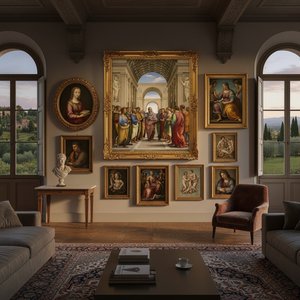
拉斐尔大师25幅杰作:艺术、历史与家居装饰灵感 | OriginalUniqueArt
探索拉斐尔大师的25幅杰作!深入了解文艺复兴艺术、意大利绘画和经典油画背后的故事。OriginalUniqueArt.com提供博物馆品质的拉斐尔作品复制品,为您的家居装饰带来永恒之美。立即在线探索完整系列。