展开全文







































 对于任何边长超过 105 厘米(约 41 英寸)的艺术品或复制品,画框将以拆解后的组件形式发货。此方法可确保安全送达并防止运输过程中的损坏。


A Symphony of Color and Memory: Exploring Marc Chagall's "I Am Alone"
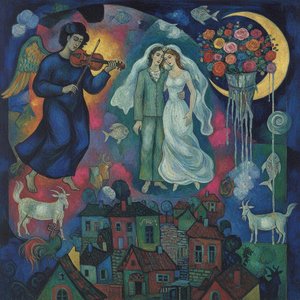
Marc Chagall’s “I Am Alone,” painted in 1915, isn’t merely a depiction of solitude; it’s an embodiment of existential angst rendered in the breathtaking language of Expressionism. Created during the turbulent years preceding World War I—a period marked by anxieties about national identity and impending conflict—the painting transcends its immediate historical context to speak to universal themes of isolation and longing. It's housed in the Musée d'Orsay, Paris, a testament to Chagall’s enduring influence on modern art.- Subject Matter: The canvas portrays a man standing alone on a rooftop amidst a swirling panorama of fantastical figures—a woman with outstretched arms, a child perched precariously on the edge of the roof, and several other stylized individuals drifting upwards into the heavens.
- Style: Chagall’s style is unmistakably Expressionist. Rejecting representational accuracy in favor of emotional intensity, he employs bold colors—primarily yellows, blues, and reds—to convey mood and feeling rather than to faithfully reproduce reality. The figures themselves are distorted and stylized, imbued with a dreamlike quality that defies logical interpretation.
Technique: Bold Brushstrokes and Layered Color
Chagall’s technique is characterized by thick, impasto brushstrokes—meaning the paint is applied in layers so thickly that it stands up prominently from the surface of the canvas. This textural approach contributes significantly to the painting's dramatic impact, creating a palpable sense of movement and conveying the artist’s emotional state directly onto the artwork. The colors are blended strategically to create luminous washes and vibrant accents, enhancing the overall visual richness.- Color Palette: The dominant hues—golden yellows symbolizing warmth and optimism juxtaposed with deep blues representing melancholy and uncertainty—are deliberately chosen to evoke specific emotions. Chagall’s masterful use of color underscores the painting's psychological depth.
- Composition: The rooftop setting serves as a focal point, anchoring the swirling figures and emphasizing the man’s isolation. The upward trajectory of the figures symbolizes aspiration but also hints at vulnerability—a yearning for connection amidst overwhelming circumstances.
Symbolism: Folklore and Existential Concerns
“I Am Alone” is replete with symbolic references drawn from Jewish folklore and Kabbalah—the mystical tradition of Judaism. The woman with outstretched arms represents compassion and maternal care, while the child symbolizes innocence and vulnerability. The swirling figures embody the chaotic forces of fate and the anxieties surrounding impending war. More broadly, the painting explores profound existential questions about human existence—questions concerning identity, purpose, and the inevitability of suffering.Ultimately, Chagall’s “I Am Alone” transcends its historical origins to resonate with viewers across generations. It's a hauntingly beautiful meditation on solitude, loss, and the enduring quest for meaning—a masterpiece that continues to inspire awe and provoke contemplation decades after its creation.
常见问题与解答
Marching是手绘的还是印刷的?
手工绘制:由受过专业训练的画家在亚麻画布上,以油画形式临摹 Marching。
Marching 我该选择什么尺寸?
尺寸范围从 33.9 x 29.5 cm (¥1334) 到 245.8 x 214.3 cm (¥12772);本页表格列出了主要步骤及其价格。
物流需要多长时间?
送货时间为 4 至 5 周,并提供全球免费快递服务;本页面还提供加急制作选项。您可以在 100 天内无条件退货并获得全额退款。
馬克·夏卡爾 在创作《Marching》时使用了什么媒介?
Acrylic On Canvas
 实景预览

 分享
 分享
 详情
 指南


 下载作品
 相似作品
 X射线
 幻灯片播放
 问答

 统计数据