

 效果预览
效果预览
 购买印刷品
购买印刷品 分享
分享 分享
分享
 详情
详情

 下载
下载
 相似作品
相似作品 X射线
X射线 幻灯片播放
幻灯片播放Angel with a sword
 Acrylic On Canvas
- WallArt
- Surrealism
 1956
1956 37.0 x 27.0 cm
 展开详情
展开详情




P118B $10

P118H $10

P118W $10

P438Z $10

P508JH $12

P508YH $12

P805H $10

P805Z $10

P919BZ $10

P919G $10

P919XJ $10

P959ZH $10

P968JZ $12

W106C $8

W218G $10

W218JH $8

W218Y $10

W307PJ $10

W316G $10

W316PJ $8

W316Y $10

W398PJ $8

W4111J $10

W500HY $15

W500JH $15

W692G $12

W849H $8

W940BG $15

W953PJ $8




从与原作比例一致的预设尺寸中进行选择。

您可以输入自定义尺寸,以适配特定的画框或空间。如果所选尺寸与原图比例不符,我们将通过裁剪作品或添加手绘元素来扩展画面。数字样稿将在制作开始前发送给您确认。
请注意,屏幕预览无法准确反映实际的裁剪或扩展效果,只有样稿才能真实呈现最终的构图。
虽然我们提供定制尺寸服务,但为了保留原作比例,建议您从预设列表中选择尺寸。
下单后,OriginalUniqueArt.com 团队将通过电子邮件联系客户获取具体要求,并提供效果预览图。


 玻璃选项仅适用于110厘米以下的尺寸。

Angel with a sword
复制材质
复制品尺寸
-


最终总价
$ 300
作品详情
Marc Chagall’s “Angel with a Sword”: A Symphony of Surrealism and Jewish Folklore
The painting "Angel with a Sword," created by Marc Chagall in 1956, stands as a cornerstone of surrealist art while simultaneously embodying the rich traditions of Hasidic Jewish culture. More than just an aesthetically pleasing image, it’s a complex tapestry woven from dreamlike imagery, symbolic gestures, and masterful artistic execution—a piece that continues to resonate with audiences decades after its creation. Chagall himself described his work as “painting in dreams,” a philosophy that perfectly encapsulates the spirit of this iconic artwork.Style and Technique: Embracing Illusionism
Chagall’s distinctive style is immediately recognizable through its vibrant color palette—primarily blues, yellows, and reds—contrasting sharply against the monochrome backdrop. He eschewed meticulous realism, opting instead for illusionistic techniques that prioritize expressive gesture over photographic accuracy. Thick impasto strokes dominate the canvas, conveying a palpable sense of movement and texture. The artist employs flattened perspectives and distorted proportions, creating an otherworldly atmosphere where spatial relationships defy conventional logic. This deliberate departure from traditional artistic conventions aligns seamlessly with the broader Surrealist movement’s rejection of rational thought and embrace of subconscious impulses.Historical Context: Vitebsk Under Siege
“Angel with a Sword” emerged during a period of profound upheaval in Chagall's hometown, Vitebsk—a city besieged by Nazi forces during World War II. The painting reflects the anxieties and hopes of its time, capturing the spirit of resistance amidst devastation. Prior to the war Chagall had been involved in an artistic dispute with fellow Vitebsk artist Anatoly Yankelovich regarding the depiction of Jewish life in Vitebsk’s art scene. This disagreement fueled tensions between Jewish and Russian communities within Vitebsk—a dynamic that is subtly mirrored in the artwork's composition. The sword held aloft by the woman symbolizes courage and defiance, while the tree represents resilience and enduring faith – themes deeply rooted in Jewish mysticism and folklore.Symbolism: Layers of Meaning
The central figure—a woman adorned in flowing robes—dominates the canvas, embodying both vulnerability and strength. Her outstretched hand gripping a sword speaks to the paradoxical nature of Jewish identity during wartime—the need for protection alongside unwavering belief in spiritual values. The tree behind her is laden with fruit, symbolizing fertility and renewal—a visual allusion to biblical imagery and representing hope amidst darkness. Chagall’s masterful use of color contributes significantly to the artwork's symbolic resonance; blues evoke tranquility and spirituality, while reds convey passion and determination.Emotional Impact: A Vision of Resilience
“Angel with a Sword” transcends mere visual representation, conveying an emotional depth that captivates viewers. It evokes feelings of melancholy mingled with optimism—a poignant reflection on the human condition amidst adversity. The painting’s dreamlike quality invites contemplation and encourages audiences to delve into their own subconscious desires and fears. Ultimately, Chagall's masterpiece serves as a testament to the enduring power of imagination and faith—inspiring admiration for its artistic brilliance and prompting viewers to consider its profound symbolic significance. It remains a powerful reminder that even in times of darkness, beauty and courage can flourish.艺术家简介
梦幻之笔下的生命:马克·夏加尔的世界
马克·夏加尔,原名莫伊谢·沙格尔,1887年出生于白俄罗斯小镇里奥兹纳附近的维特布斯克。他不仅仅是一位画家,更是一位色彩的诗人、梦想的编织者和记忆的记录者。他的生命跨越了二十世纪的动荡波澜,却始终将艺术根植于一种深刻而个人化的视角——这种视角充满了他在哈西德犹太教传统中汲取的民间传说,以及对想象力的坚定信念。维特布斯克本身不仅仅是他的故乡,更是他艺术宇宙的情感核心,一个反复出现的意象,充斥着飞翔的人物、异想天开的动物和记忆中的风景所呈现的鲜艳色彩。这个小镇独特的文化融合——俄罗斯东正教教堂与熙熙攘攘的犹太市场并存——塑造了一种审美敏感性,这贯穿了他漫长职业生涯始终,难以被简单地归类于任何一种艺术运动。尽管他最初在当地油漆匠那里学习,后来又在圣彼得堡跟随列昂·巴克特,并在巴黎的格兰德肖米埃学院进修,夏加尔从未完全拥抱任何单一的艺术流派。他吸收了立体主义、象征主义和野兽派的元素,但总能通过自己强烈而个人化的视角来过滤它们,创造出一种独一无二、不可否认是夏加尔风格的艺术形式。独特的视觉语言的塑造
夏加尔早期的作品已经暗示了他将要发展出的独特语言。《我和村庄》(1911)并非仅仅是对场所的描绘;它是对身份、记忆以及个人与社会之间关系的探索。这个村庄不是以现实主义的方式呈现,而是作为一系列回忆的碎片集合,充满了象征意义。他将个人经历转化为普遍主题的能力成为了他艺术的标志。他的调色板大胆而富有表现力,经常采用鲜艳的非自然色彩来传达情感而非字面上的表征。人物在画布上漂浮和舞蹈,无视重力和逻辑,创造出一种梦幻般的氛围,邀请观众进入他的内心世界。这种风格化的方法并非偶然;它源于一种摆脱对现实简单模仿的愿望,而是要捕捉到感觉的本质、记忆的重量以及民间传说的力量。俄国革命将夏加尔带回维特布斯克,在那里他参与了文化倡议,建立了一所艺术学校,这所学校短暂地繁荣一时,但最终屈服于新政权强加的限制。这段时期既充满了创造性的活力,也充满了政治幻灭感,这种紧张关系将继续塑造他的艺术轨迹。漂泊的世界:巴黎、纽约及其他
最终,夏加尔离开了俄罗斯,定居在法国(1923年)。这标志着国际认可和多产创造力的开端。《维特布斯克之上》(1920-1922)展示了他对童年记忆的持续关注,而灵感来自圣经故事的绘画——例如《雅各伯之梦》——则揭示了他日益增长对宗教主题的兴趣。第二次世界大战爆发迫使他逃离被占领的法国前往美国,在那里他在纽约市度过了七年。这段时期充满了深刻的情感动荡和艺术实验。他在艺术中找到了慰藉,创作了能够反映时代焦虑和不确定性的强大作品。《白色受难》(1938)是一幅令人心碎的苦难和迫害描绘,证明了这一时代的真实性。战后,夏加尔返回法国,在那里他继续绘画和创作,直到 1985 年去世,享年 97 岁。遗产与持久的影响
在晚年,马克·夏加尔获得了许多著名的委托,包括巴黎歌剧院的天花板(1964),这是一个色彩和形式的令人惊叹的爆发,庆祝了音乐杰作,以及耶路撒冷哈达萨医学院犹太大学附属医院的彩色玻璃窗。这些大型项目使他能够将他的艺术愿景转化为建筑空间,创造出持续激发敬畏和奇迹的沉浸式环境。夏加尔对后世艺术家影响深远。他的抒情性、情感深度和想象力吸引了超现实主义者和其他拥抱幻想和象征主义的运动。他弥合了欧洲现代主义与犹太文化认同之间的差距,被誉为“二十世纪最典型的犹太艺术家”。他将个人经历、民间传说和普遍主题融为一体的能力继续引起世界各地观众的共鸣。 他的作品提醒我们艺术的力量可以超越界限,将我们与共同的人性联系起来,并照亮生命的美丽和神秘。持久的印象
马克·夏加尔的遗产超越了他的绘画和彩色玻璃;它存在于他愿景的持久力量中——一种庆祝爱、记忆和人类想象力的无限可能性的愿景。他留下了一部既深刻而又普遍易懂的作品,邀请观众沉浸在一个用梦想描绘并充满希望的世界里。尼斯市的马克·夏加尔博物馆是其持久影响力的证明,收藏了他的作品,并为游客提供了一个窥视这位非凡艺术家的内心世界的机会。他的艺术继续激励、挑战和感动着我们,确保了他的鲜活而富有想象力的精神将世代相传。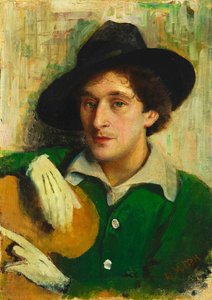
马尔克·夏加尔
1887 - 1985 , 白俄罗斯
艺术家简介
- 全名: 马克·夏加尔
- 出生地点: 白俄罗斯利奥兹纳
- 出生日期: 1887年7月6日
- 去世日期: 1985年3月28日
- 受影响的艺术家或流派:
- 超现实主义
- 现代艺术家
- 国籍: 俄罗斯-法国
- 影响艺术家:
- 巴斯特
- 德拉奈
- 博罗维科夫斯基
- 艺术风格: 现代主义,立体主义
- 著名作品:
- 我与村庄
- 维特布斯克上空
- 白色圣殇
相关文章

Celestial Messengers: Angels in Painting – A Historical & Artistic Exploration
Explore the captivating history of angels in painting! Discover symbolism, iconic Renaissance & Byzantine masterpieces, and renowned artists. Expert insights for art lovers & collectors at OriginalUniqueArt.

Celestial Messengers: A Comprehensive Exploration of Angelic Representation in Art History
Explore the captivating history of angels in art! Discover symbolism, iconic Renaissance masterpieces & renowned artists. Expert insights for art lovers & collectors at OriginalUniqueArt.
Top 10 Lithographs That Revolutionized Art | OriginalUniqueArt
Explore 10 legendary lithographs by Toulouse-Lautrec, Munch & Picasso that redefined art! Discover the stories behind these iconic prints and find museum-quality reproductions for your home decor at OriginalUniqueArt.com. Explore the full collection online.
Surrealist Painting Masterpieces: 10 Artworks That Redefined Reality | OriginalUniqueArt
Journey into the dreamlike world of Surrealism! Explore 10 masterpieces by Dali, Magritte & Miró that redefined art. Discover their stories & find museum-quality reproductions to elevate your home decor on OriginalUniqueArt.com.
Divine Beauty: A Curated Guide to the Celestial Majesty of Angelic Figures in Art History
Explore the profound beauty of angelic figures in art history. From Renaissance masterpieces to celestial symbolism, our expert guide offers a sophisticated journey through the divine imagery of the Old Masters for discerning collectors and art enthusiasts.



