

 实景预览
实景预览
 发送
发送 分享
分享
 详情
详情 指南
指南

 下载图片
下载图片
 相似作品
相似作品 X射线
X射线 幻灯片播放
幻灯片播放 统计数据
统计数据St Stephen
 Acrylic On Canvas
- WallArt
- Renaissance/Baroque
 67.0 x 50.0 cm
 普拉多博物馆
 阅读全文
阅读全文
艺术微喷/版画
博物馆级艺术微喷或帆布版画,制作高效,并提供多种饰面选择。 ( 订购此收藏品的纯手工复刻画作 切换至数字图像销售渠道)




P118B ¥10

P118H ¥10

P118W ¥10

P438Z ¥10

P508JH ¥12

P508YH ¥12

P805H ¥10

P805Z ¥10

P919BZ ¥10

P919G ¥10

P919XJ ¥10

P959ZH ¥10

P968JZ ¥12

W106C ¥8

W218G ¥10

W218JH ¥8

W218Y ¥10

W307PJ ¥10

W316G ¥10

W316PJ ¥8

W316Y ¥10

W398PJ ¥8

W4111J ¥10

W500HY ¥15

W500JH ¥15

W692G ¥12

W849H ¥8

W940BG ¥15

W953PJ ¥8




您可以从与原作比例一致的预设尺寸中进行选择。

请输入您所需的宽度和高度,以适配您的画框或墙面。由于印刷品只能进行裁剪,无法超出原图尺寸,因此若比例不一致,画面的一部分将会被裁切。在正式印刷之前,我们会为您发送一份数字效果图供您确认。本页面显示的图片并非最终裁剪后的效果——只有效果图才能展示真实的裁剪情况。


 玻璃选项仅适用于110厘米以下的尺寸。

St Stephen
艺术微喷/版画
复刻品尺寸说明
-


总计金额
¥ 538
The Silent Witness: Luis de Morales’s St Stephen
Luis de Morales's "St Stephen" isn’t merely a painting; it’s a profound distillation of faith, sorrow, and the quiet dignity of martyrdom. Executed in the late 16th century during a period of fervent religious fervor in Badajoz, Spain, this work stands as a testament to the artist’s extraordinary ability to imbue biblical scenes with palpable emotion and anatomical realism—a hallmark of his distinctive style. The painting depicts St Stephen, the first Christian martyr, not in grand, triumphant pose, but rather in a moment of contemplative stillness, a figure rendered with an almost unnerving intimacy that draws the viewer into his inner world.
Morales’s artistic lineage is deeply rooted in the traditions of Spanish religious art, yet he transcends mere imitation. He masterfully blends elements of the Renaissance and Baroque, employing a meticulous attention to detail reminiscent of Flemish painting—particularly evident in the rendering of St Stephen's skin, which exhibits a remarkable sensitivity to light and shadow – pores, wrinkles, and subtle variations in tone that suggest both age and suffering. The composition is deliberately restrained, focusing entirely on the figure of the saint, set against a subtly rendered landscape that hints at the desolate terrain where he met his tragic end.
A Study in Light and Shadow: Technique and Materials
The painting’s power resides significantly in Morales's masterful manipulation of light. He utilizes *chiaroscuro*—the dramatic contrast between light and dark—to sculpt St Stephen’s form, emphasizing his vulnerability and the weight of his impending fate. The muted palette – dominated by earthy browns, ochres, and subtle blues – contributes to a sense of solemnity and gravity. The artist employed oil on panel, a technique favored for its ability to achieve rich colors and nuanced textures. Close examination reveals an incredibly detailed surface, achieved through countless layers of thin glazes—a painstaking process that speaks volumes about Morales’s dedication to his craft.
Notably, the painting's execution suggests a deep understanding of human anatomy, a skill honed through years of observation and study. The pose is naturalistic, conveying a sense of quiet resignation rather than dramatic anguish. The artist doesn’t shy away from depicting the physical realities of martyrdom – the bald head, the weathered face, the simple garment—transforming a biblical narrative into a deeply human experience.
Symbolism and Spiritual Resonance
Beyond its technical brilliance, “St Stephen” is rich in symbolic meaning. The saint’s posture, with his hand resting gently on his chest, evokes the image of Christ's sacrifice. The presence of the three stones—a direct reference to his brutal execution—underscores the painting’s central theme: unwavering faith in the face of persecution. The rocky landscape, sparsely populated and bathed in a melancholic light, serves as a potent metaphor for the desolate spiritual journey undertaken by those who choose to follow Christ.
Furthermore, St Stephen's baldness is not merely a detail of representation; it’s a deliberate allusion to his role as a deacon, signifying his service and humility. The painting invites contemplation on themes of sacrifice, faith, and the enduring power of spiritual conviction—themes that resonated deeply with viewers during Morales’s time and continue to hold profound significance today.
A Legacy of Devotion: Reproduction and Artistic Value
Reproductions of “St Stephen” offer a remarkable opportunity to experience the depth and emotional resonance of this extraordinary work. The meticulous detail, combined with Morales's masterful use of light and shadow, ensures that these reproductions capture the essence of the original painting—a testament to the artist’s skill and vision. Whether displayed in a private residence or a public space, this image serves as a powerful reminder of the enduring legacy of Spanish religious art and the timeless themes it explores.
Consider commissioning a hand-painted reproduction from OriginalUniqueArt.com – an authentic recreation that honors Morales’s artistic legacy while bringing his profound vision into your home or studio. It's more than just a picture; it’s a window into the soul of a master artist and a celebration of faith, sacrifice, and the enduring power of human spirit.
问答详情
“St Stephen”是如何融入 路易斯·德·莫拉莱斯 的主题与风格之中的?
在路易斯·德·莫拉莱斯的作品集中,"St Stephen" 呈现出Renaissance/Baroque风格,并贯穿着religious devotion, renaissance realism, spanish piety, morales’ style, martyrdom, biblical narrative”, “devotional imagery, spiritual focus”的主题。
"St Stephen" 的作者是谁?属于哪种艺术流派?
"St Stephen" 的背后是 路易斯·德·莫拉莱斯 及其所属的 Renaissance/Baroque 流派。
路易斯·德·莫拉莱斯 的《St Stephen》 的比例如何,尺寸是多少?
"St Stephen" 的形式为 Portrait,原件尺寸为 67 x 50 cm。这两项信息在规划复制品时都非常有用。
艺术家简介
路易斯·德·莫拉莱斯:巴达霍斯的神圣画家
路易斯·德·莫拉莱斯(约1509年 – 1586年5月9日)被人们亲切地称为“神圣画家”(El Divino),他是西班牙文艺复兴艺术中最受尊崇的人物之一。这位画家的作品以其深邃的精神性与惊人的写实主义,在生前便令观众为之倾倒,并在数个世纪后依然激荡着人们的钦佩之情。莫拉莱斯出生于埃斯特雷马杜拉的巴达霍斯,他的艺术旅程是在人文主义理想兴起与宗教热忱高涨的时代背景下展开的,这不仅将他塑造成了一位无与伦ת比的虔诚图像大师,更奠定了他作为那个时代典型艺术家的永恒地位。- 早年生活与影响:关于莫拉莱斯成长岁月的确切记载并不多,仅有的文献显示他于1509年左右出生于巴达霍斯。他的艺术训练很可能始于弗兰德斯画家埃尔南多·斯图米奥(Hernando Sturmio)的指导,后者当时已在巴达霍斯定居;此外,他也可能受到塞维利亚著名艺术家佩德罗·德·坎帕尼亚(Pedro de Campaña)的影响——这些地点在文艺复兴时期都以其充满活力的艺术传统而闻名。
- 伦巴第画派与佛罗伦萨的回响:莫拉莱斯的早期作品带有明显的达芬奇伦巴第画派的印记,其特征是细腻的晕涂法(sfumato)和大气透视感。与此同时,他也吸收了米开朗基罗的影响,后者宏伟的雕塑作品赋予了他对人体解剖学和表现性姿态的精湛理解。这些早期的艺术洗礼深刻地塑造了他的艺术感官。
解剖精准度与精神深度的交织时代
莫拉莱斯的艺术创作大致可以分为两个截然不同的时期,反映了风格趋势与思想潮流的演变。第一阶段大约从1539年持续到1560年,这一时期他继续致力于佛罗伦萨美学的探索——特别是米开朗基罗式的解剖严谨性——从而创作出充满了肉眼可见的情感张力与戏剧冲突的画作。诸如《小鸟圣母》(La Virgen del Pajarito)等作品便是这一早期风格的典范,展现了极其细致的笔触,并传达出深邃的精神沉思。- 第二次艺术盛放:在与莱奥诺尔·德·查韦斯结婚并随后迁居阿尔坎塔拉之后,莫拉莱斯经历了一场非凡的艺术复兴。这一时期他创作出了突破文艺复兴技法边界的杰作,尤其是在解剖准确性方面,这得益于他从德国和弗兰德斯画家那里汲取的灵感,这些画家推崇明暗对比法(chiaroscuro)以及对自然细致入微的观察。
- 卓越成就:在他最著名的画作中,包括收藏于巴达霍斯大教堂的《圣殇》(La Piedad,1560年),这幅作品令人屏息地描绘了玛利亚哀悼耶稣之死的场景,见证了莫拉莱斯在传达悲恸情感方面无与伦比的技艺;此外还有收藏于马德里普拉多博物馆的《圣胡安·德·里贝拉》(San Juan de Ribera,1564年),以及展示于美国西班牙学会的《看哪,这个人》(Ecce Homo)。这些作品已成为文艺复兴时期虔诚信仰与艺术卓越性的永恒象征。
传承与地位
路易斯·德·莫拉莱斯的影响力远远超出了他的有生之年,他不仅成为了西班牙文艺复兴艺术的基石,更确立了自己在同代最伟大画家中的地位。他对宗教主题那份坚定不移的奉献——通过令人惊叹的写实主义和触手可及的情感表达——在整个欧洲观众中引起了深远的共鸣。如今,他的画作收藏于世界各地的顶尖艺术机构,包括马德里的普拉多博物馆和多塞特的金斯顿莱西庄园,这足以证明其持久的艺术价值与历史意义。莫拉莱斯的遗产持续激励着艺术家与学者,确保了“神圣画家”这一称号在后世世代中始终是一盏精神艺术的明灯。精选作品
- 《小鸟圣母》(La Virgen del Pajarito)(1546年),收藏于马德里圣奥古斯丁教堂。
- 《圣殇》(La Piedad)(1560年),收藏于巴达霍斯大教堂。
- 《圣胡安·德·里贝拉》(San Juan de Ribera)(1564年),收藏于马德里普拉多博物馆。
- 《看哪,这个人》(Ecce Homo),收藏于英国多塞特金斯顿莱西庄园(国家信托)。
- 《乳圣母》(Virgen de la leche),收藏于普拉多博物馆。
- 《荒野中的圣杰罗姆》(St. Jerome in the Wilderness),收藏于爱尔兰国家美术馆,都柏林。

路易斯·德·莫拉莱斯
1509 - 1586 , 西班牙
快速概览
- Artistic Movement Or Style: 风格主义
- Artists Or Movements Influenced By This Artist: ['米开朗基罗']
- Artists Who Influenced This Artist:
- 拉斐尔·桑西奥
- 列奥纳多·达·芬奇
- Date Of Birth: 1509年
- Date Of Death: 1586年
- Full Name: 路易斯·德·莫拉莱斯
- Nationality: 西班牙
- Notable Artworks:
- 小鸟圣母
- 圣殇
- 圣胡安·德·里贝拉
- 钦我吧
- Place Of Birth: 西班牙,巴达霍斯
相关文章
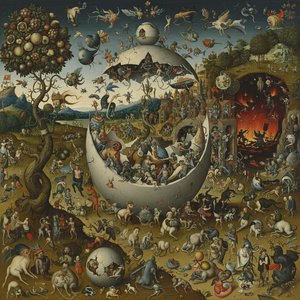
希罗尼穆斯·博斯:25幅大师级杰作,点亮艺术与家居空间
探索希罗尼穆斯·博斯25幅大师级杰作!深入了解这位荷兰文艺复兴画家的怪诞世界、宗教寓言与象征主义。高清艺术复制品,为您的家居空间带来永恒的艺术灵感。尽在OriginalUniqueArt.com。

戈雅大师25幅杰作:西班牙灵魂的艺术之旅| OriginalUniqueArt
探索戈雅大师的25幅杰作!深入了解西班牙绘画巨匠Francisco Goya的艺术世界,从洛可可到浪漫主义风格,感受黑加仑时代的情感力量。OriginalUniqueArt.com提供高品质油画复制品和家居装饰灵感。立即在线发现所有名画!

About Us
Discover our story! We bring world-class art into your life through expert curation, personalized creations, and free previews. Trusted by individuals and businesses since 2000.

Oil on Canvas: A Historical & Technical Exploration of a Timeless Artistic Medium
Explore the rich history & enduring techniques of oil painting on canvas. Discover the science behind its longevity, conservation practices, and contemporary relevance. Expert insights for art enthusiasts.

埃尔·格列柯25幅杰作:探索艺术大师的信仰与火焰
探索埃尔·格列柯25幅杰作,领略这位西班牙画家巴洛克风格的宗教绘画魅力。从《圣塞巴斯蒂安》到《沉思者》,感受信仰与艺术的交融。OriginalUniqueArt.com提供高品质油画复制品,为您的家居装饰增添经典之美!探索完整系列作品。