

 实景预览
实景预览
 发送
发送 分享
分享
 详情
详情 指南
指南

 下载图片
下载图片
 相似作品
相似作品 X射线
X射线 幻灯片播放
幻灯片播放 统计数据
统计数据Robert Gould Shaw


 阅读全文
阅读全文
艺术微喷/版画
博物馆级艺术微喷或帆布版画,制作高效,并提供多种饰面选择。 ( 订购此收藏品的纯手工复刻画作 切换至数字图像销售渠道)




































您可以从与原作比例一致的预设尺寸中进行选择。

您可以输入自定义尺寸,以适配特定的画框或空间。如果您选择的尺寸与原图比例不符,我们将对作品进行裁剪,或通过镜像填充/纯色填充边缘的方式来扩展图像。在开始制作之前,我们会向您发送一份数字效果图供您确认。
请注意,屏幕上的预览并不能反映实际的裁剪或扩展效果。只有效果图才能准确展示最终的构图。
虽然我们提供定制尺寸,但为了保持原图比例,我们建议您从预设列表中选择尺寸。


 玻璃选项仅适用于110厘米以下的尺寸。

Robert Gould Shaw
艺术微喷/版画
复刻品尺寸说明
-


总计金额
$ 80
艺术家简介
A Legacy Carved in Clay: The Life of Lucy Martin Lewis
In the high, sun-drenched mesas of Acoma Pueblo, New Mexico, a profound artistic lineage was preserved and revitalized through the hands of Lucy Martin Lewis. Born in the late 1890s within the Sky City of the Acoma people, Lewis was a child of the landscape, raised amidst the ancient rhythms of her ancestors. Her life was not merely one of survival, but of a dedicated stewardship over the ceramic traditions that define her heritage. While she received no formal western education, her classroom was the earth itself and the wisdom of the matriarchs who preceded her. From a young age, she absorbed the intricate secrets of clay, learning from her great-aunt, Helice Vallo, and other skilled women of the pueblo. This matrilineal transmission of knowledge ensured that the heartbeat of Acoma pottery continued to pulse through the generations, even as the outside world began to press against the boundaries of the mesa.
The early years of Lewis’s career were marked by a humble necessity, as she crafted small ash-bowls and vessels intended for travelers and tourists passing through the region. These early works, though simple, served as the foundation for a lifetime of mastery. As her skill deepened, so too did her ambition to protect the integrity of her culture's aesthetic. During a period when industrial production methods threatened to dilute the authenticity of Pueblo ceramics, Lewis became a pivotal figure in the revival of traditional dung-fired white pottery. She rejected the convenience of modern kilns in favor of the ancient method of firing earthenware outdoors using dung-fueled flames, a process that requires immense patience and an intimate understanding of heat and smoke. This commitment to ancestral technique ensured that her work retained the unmistakable character of Acoma craftsmanship—a striking contrast of deep black pigments against a pristine white kaolin ground.
The Artistry of Precision and Tradition
To observe a vessel by Lucy Martin Lewis is to witness a masterclass in geometric abstraction and technical discipline. Her process was a labor of devotion, beginning with the gathering of raw clays and pigments from the Acoma lands. Each piece was meticulously constructed through the ancient method of hand-coiling clay onto wooden stretchers, which were then scraped and smoothed into elegant, thin-walled forms. The true magic, however, resided in her surface decoration. With astonishing precision, Lewis applied fine-line geometric patterns freehand, a feat that required an incredible mental map of the vessel's geometry before a single stroke was made. Her designs often drew inspiration from the ancient Anasazi and Mogollon pottery shards, translating much older cosmological symbols into a contemporary artistic language.
As her career progressed, Lewis’s repertoire expanded in both complexity and stylistic depth:
- Geometric Abstraction: Her signature style featured sharp, rhythmic black lines that danced across white surfaces, creating a sense of movement and balance.
- Mimbres Influence: In later years, she became increasingly adept at incorporating the delicate, fine-line surface decorations reminiscent of the historic Mimbres culture.
- Material Innovation: She eventually began to experiment with incorporating pottery shards directly into her works, bridging the gap between broken history and new creation.
- The Act of Identity: In a bold departure from the tradition where potters remained anonymous, Lewis began signing her work in 1950, an act of individual agency that sparked both controversy and recognition within her community.
A Monumental Figure in Southwestern Art
The historical significance of Lucy Martin Lewis cannot be overstated; she was a bridge between the ancient past and the modern art world. By reclaiming the traditional white pottery techniques, she prevented a vital piece of Acoma identity from being lost to the tide of industrialization. Her work transitioned the perception of Pueblo pottery from purely functional or ritualistic objects to highly esteemed works of fine art. This shift allowed her pieces to find homes in prestigious institutions such as the Smithsonian American Art Museum and the Cleveland Museum of Art, ensuring that the voice of Acoma Pueblo would resonate far beyond the borders of New Mexico.
Lucy Martin Lewis passed away in 1992, but her influence remains etched into the very clay of the Southwest. She left behind a legacy of resilience, teaching subsequent generations that true innovation does not require the abandonment of tradition, but rather a deeper, more profound engagement with it. Through her hands, the ancient stories of the Acoma people were given new form, rendered in the timeless, striking language of black and white.

lucy martin lewis
1890 - 1992 , United States of America
快速概览
- Artistic Movement Or Style: Traditional Pottery
- Date Of Birth: 1890/8
- Date Of Death: March 12, 1992
- Full Name: Lucy Martin Lewis
- Nationality: American
- Notable Artworks:
- Dinner or Evening Dress
- fineline black-on-white olla (jar)
- Place Of Birth: Acoma Pueblo, United States
相关文章

The Enduring Allure of Marble in Art History: From Classical Sculpture to Modern Abstraction
Explore the captivating history of marble sculpture from ancient Greece to modern art. Discover renowned artists like Canova & Michelangelo, carving techniques, and investment insights at OriginalUniqueArt.
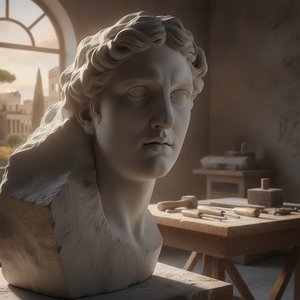
The Eternal Beauty of Marble: A Guide to Sculpting Light, Stone, and the Soul of Art History
Explore the sublime artistry of marble sculpture. From Greek antiquity to the masters of light, discover how stone captures the eternal essence of human beauty and emotion through expert craftsmanship and historical mastery.

John Gould: A Life Immersed in Avian Illustration – Biodiversity, Scientific Precision, and Artistic Legacy
Explore the life & legacy of John Gould, pioneering ornithologist & artist. Discover his stunning bird illustrations, the impact of chromolithography, and investment opportunities for collectors. Learn more now!

Hubert Robert: Picturing Ruins, Preserving Memory – A Study of Romantic Antiquarianism & Artistic Innovation
Explore the captivating world of Hubert Robert, master of Romantic landscape painting & 'capriccio' ruins. Discover his historical context, artistic innovations, and collecting insights with OriginalUniqueArt.

Timeless Elegance: A Complete Guide to the Sublime Beauty and Artistry of Marble Sculpture
Discover the sublime beauty of marble art through an expert exploration of Renaissance and Neoclassical masterpieces. From the delicate textures of Carpeaux to the grandeur of Sansovino, immerse yourself in a guide to timeless elegance and sculptural perfection.