效果预览
效果预览
 分享
分享 分享
分享
 详情
详情

 下载
下载
 相似作品
相似作品 X射线
X射线 幻灯片播放
幻灯片播放 统计数据
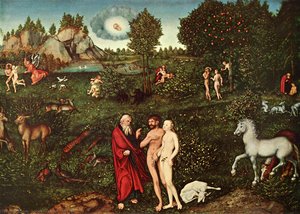
统计数据The Crucifixion with the Converted Centurion
 Acrylic On Canvas
- WallArt
- Baroque
 1536
1536 68.0 x 52.0 cm
 展开详情
展开详情
艺术微喷/版画
博物馆级艺术微喷或帆布版画,制作高效,并提供多种饰面选择。 ( 购买手绘画作 切换至数字图像销售渠道)




P118B $10

P118H $10

P118W $10

P438Z $10

P508JH $12

P508YH $12

P805H $10

P805Z $10

P919BZ $10

P919G $10

P919XJ $10

P959ZH $10

P968JZ $12

W106C $8

W218G $10

W218JH $8

W218Y $10

W307PJ $10

W316G $10

W316PJ $8

W316Y $10

W398PJ $8

W4111J $10

W500HY $15

W500JH $15

W692G $12

W849H $8

W940BG $15

W953PJ $8




从与原作比例一致的预设尺寸中进行选择。

您可以输入自定义尺寸,以适配特定的画框或空间。如果您选择的尺寸与原图比例不符,我们将对作品进行裁剪,或通过镜像填充/纯色填充边缘的方式来扩展图像。在开始制作之前,我们会向您发送一份数字效果图供您确认。
请注意,屏幕上的预览并不能反映实际的裁剪或扩展效果。只有效果图才能准确展示最终的构图。
虽然我们提供定制尺寸,但为了保持原图比例,我们建议您从预设列表中选择尺寸。


 玻璃选项仅适用于110厘米以下的尺寸。

The Crucifixion with the Converted Centurion
艺术微喷/版画
复制品尺寸
-


最终总价
$ 80
A Dramatic Tableau of Faith and Doubt: Lucas Cranach’s ‘The Crucifixion with the Converted Centurion’
Lucas Cranach the Elder's “The Crucifixion with the Converted Centurion,” painted in 1536, is a profoundly unsettling masterpiece that transcends the conventional iconography of the crucifixion. Executed during a period of intense religious and social transformation – the heart of the German Reformation – this vertical composition confronts viewers with a raw depiction of suffering, doubt, and the agonizing process of conversion. Cranach’s skill lies not merely in his technical mastery but in his ability to imbue the scene with psychological complexity, capturing the emotional turmoil of both the divine figure and those witnessing his sacrifice.
- Subject Matter: The painting depicts a pivotal moment within the Passion narrative – the crucifixion of Christ alongside two other men. However, Cranach introduces a crucial element: a heavily armored centurion, transformed through faith, standing as a witness to the event.
- Composition & Technique: Cranach’s meticulous technique is immediately apparent in the rendering of textures – the rough-hewn wood of the crosses, the gleaming pewter armor, the flowing fabric, and the detailed depiction of skin tones. His use of oil paint allows for subtle gradations of color, particularly in the dramatic sky, which shifts from buttery yellow to deep indigo, mirroring the emotional intensity of the scene.
- Color Palette: The painting’s palette is deliberately somber, dominated by earthy browns, grays, and whites, punctuated by flashes of crimson – the hat of the rider, the fabric draped over his hip, and the thorns in Christ's crown. These vibrant hues serve to draw attention to key elements and heighten the emotional impact.
Symbolism and Religious Context
“The Converted Centurion” is rich with symbolic meaning, reflecting the anxieties and theological debates of the Reformation era. The centurion’s armor represents his former status as a soldier of Rome, a symbol of earthly power and violence. His conversion signifies a rejection of this worldliness and an acceptance of Christ's sacrifice. The inscription “WARLICH DISER MENSCH IST GOT” (This man is God) etched onto the horseman’s garment underscores this pivotal moment of faith. The inclusion of three crosses, rather than the traditional single cross, may allude to the broader theological debates surrounding salvation and the nature of Christ's suffering.
- The Rider: The armored rider, with his raised hand and open mouth, embodies both awe and despair. His posture suggests a profound emotional response to witnessing the crucifixion – a mixture of reverence and anguish.
- Jesus’s Figure: Cranach's depiction of Christ is deliberately unflinching. The slumped figure, the tilted head, and the intense gaze convey the physical agony of his ordeal while simultaneously projecting an aura of serene acceptance.
Historical Significance & Artistic Legacy
Painted in 1536, “The Crucifixion with the Converted Centurion” stands as a testament to Lucas Cranach the Elder’s artistic prowess and his engagement with the turbulent religious landscape of his time. Cranach was one of the most important artists of the German Renaissance, known for his portraits of prominent figures like Martin Luther and Philip Melanchthon. This painting exemplifies his ability to blend religious subject matter with psychological realism, creating a work that continues to resonate with viewers centuries later. The piece’s dramatic composition, masterful technique, and profound symbolism ensure its place as a cornerstone of Northern Renaissance art.
This meticulously crafted reproduction captures the essence of Cranach's original vision, offering an exceptional opportunity to own a stunning artwork that embodies both historical significance and enduring artistic beauty. Its dimensions (68 x 52 cm) make it suitable for a variety of interior spaces, while its evocative imagery will undoubtedly serve as a powerful focal point within any setting.
艺术家简介
卢卡斯·克拉纳赫老:萨克森文艺复兴的巨匠
卢卡斯·克拉纳赫老,生于1472年的德国克罗纳赫,是德国文艺复兴时期一位举足轻重的艺术家。他的生命轨迹与宗教和政治动荡交织,艺术作品也深深地烙印着新教改革的浪潮以及他所服务的富丽堂皇的宫廷。最初在父亲汉斯·马勒的指导下接受训练,克拉纳赫早期的艺术发展至今仍有些神秘色彩,但来自南德地区的艺术影响在他不断演进的风格中显而易见。他很快便以其卓越的技艺和捕捉人物内心深度的能力脱颖而出——这些品质迅速吸引了权势人物的目光。1504年,他进入萨克森选帝侯弗雷德里克三世的服务,这段关系定义了他职业生涯的大部分时光,并为他提供了稳定性和接触重要圈子的机会。在维滕贝格担任宫廷画家不仅仅是创作装饰性作品,更将克拉纳赫置于欧洲历史上最具变革性的运动的核心。赞助、改革与艺术创新
克拉纳赫在萨克森宫廷中的地位不仅为他的生计提供了保障,也促进了他的艺术发展。他并非仅仅记录事件,而是积极塑造变革时代的视觉叙事。他最持久的遗产可能是他与新教改革运动的核心人物马丁·路德之间的密切联系。克拉纳赫创作了多达十一幅路德肖像画,每一幅都为我们提供了对这位宗教改革者个性及其不断演变的角色独特的见解。这些并非简单的画像,而是精心设计的图像,旨在展现权威、虔诚和智慧——对于挑战既定宗教秩序的领袖来说,这些都是必不可少的品质。除了肖像画之外,克拉纳赫还将新教神学转化为视觉形式,创作了木刻版画和绘画作品,广泛传播了新教思想。他对圣经场景的描绘摆脱了传统的天主教图像符号,强调直接参与《圣经》阅读,并促进了观众与信仰之间更个人化的关系。《给约阿希姆报喜》这幅作品散发着一种欢乐的精神,反映了改革后的教会对个人虔诚的新重视。这种创新的方法不仅限于宗教主题;克拉纳赫的神话画作,如对维纳斯和其他古典人物的描绘,常常带有与当代政治和社会问题相关的象征意义。家族工作室:风格与技巧
卢卡斯·克拉纳赫老并非孤军奋战的艺术家,他经营了一个生产力惊人的工作室,雇佣了众多助手和学徒,他们为他的作品贡献了大量力量。这种合作方式意味着许多归功于克拉纳赫的作品实际上是在他的指导下或由他的圈子成员完成——包括他的儿子卢卡斯·克拉纳赫年轻。克拉纳赫工作室以其独特的风格而闻名:比例修长的优雅人物、鲜艳的色彩和一丝不苟的细节处理。他的技术结合了油画、木刻和版刻,使他能够通过原创艺术品和价格实惠的印刷品来接触到广泛的受众。《弗雷德里克三世选帝侯的鹿狩》完美地展现了他对北方文艺复兴风格的大师级运用,既有细致的现实主义,又有高贵的象征意义。构图充满活力,捕捉了狩猎的能量,同时也传达了选帝侯的力量和地位。克拉纳赫对光与影的使用创造了一种深度和氛围感,将观众带入场景之中。他的肖像画同样引人注目,以其心理洞察力和精致的执行力为特征。遗产与持久影响
卢卡斯·克拉纳赫老于1553年去世,留下了非凡的艺术遗产,至今仍在回响。他是一位肖像大师、一位熟练的宗教主题诠释者,也是一位精明的商人,他了解视觉沟通的力量。他的作品不仅反映了他所处时代的文化和智力潮流,而且帮助塑造了这些潮流。克拉纳赫的工作室在他去世后继续蓬勃发展,确保了他的风格和技巧代代相传。 他的影响可以体现在众多后续艺术家的作品中,而他的画作仍然受到收藏家和博物馆的广泛追捧。从标志性的马丁·路德肖像到迷人的神话场景,克拉纳赫的艺术为我们提供了一个了解德国文艺复兴世界的迷人窗口——一个既充满深刻的精神质疑又充满艺术创新的世界。他将宗教狂热、政治敏锐和艺术天赋相结合的能力巩固了他作为该时代最重要的艺术家之一的地位,几个世纪后的今天,他的贡献仍然激励并吸引着观众。
卢卡斯·克兰纳赫画师
1472 - 1553 , 德國
艺术家简介
- Artistic Movement Or Style: 北歐藝術風格
- Artists Or Movements Influenced By This Artist: ['德國文藝復興']
- Artists Who Influenced This Artist: ['漢斯·馬爾']
- Date Of Birth: 約1472年出生於克拉納赫市
- Date Of Death: 1553年去世於魏瑪市
- Full Name: 盧卡斯·克蘭納赫畫家
- Nationality: 德國人
- Notable Artworks:
- 聖母顯靈畫
- 亞當與夏娃
- 聖書故事
- Place Of Birth: 德國 克拉納赫市
相关文章

安迪·沃霍尔25幅杰作:重塑流行艺术与美国形象的经典之作 | OriginalUniqueArt
探索安迪·沃霍尔25幅杰作,领略波普艺术的魅力与美国文化的经典形象。从玛丽莲·梦露到坎贝尔汤罐,每件作品都讲述着独特的艺术故事。OriginalUniqueArt.com提供高品质艺术复制品和家居装饰灵感,发现更多大师之作!

高檔藝術品複製技術:Giclée微噴的檔案品質與鑑賞細節
深入了解Giclée微噴技術:檔案品質、色彩還原的專業解析。探索高檔藝術品複製的細節與保存技巧,為您的收藏提供博物館級別的選擇。專家指導,確保完美呈現原作神韻。

葛饰北斋:25幅传世名作,浮世绘大师的艺术传奇 (Katsushika Hokusai: 25 Masterpieces, The Art Legacy of the Ukiyo-e Master)
探索葛饰北斋的25幅传世名作!深入了解浮世绘大师的艺术传奇,感受《神奈川冲浪波》等经典作品背后的故事与魅力。OriginalUniqueArt.com提供博物馆级高质量复制品,为您的家居带来日本风情和艺术灵感。立即探索完整系列!
慕尼黑老绘画馆25幅杰作:文艺复兴至巴洛克艺术之旅| OriginalUniqueArt
探索慕尼黑老绘画馆25幅杰作!从文艺复兴到巴洛克,领略卢本斯、伦勃朗等大师的经典油画。了解艺术史背后的故事,在家居装饰中融入永恒之美。OriginalUniqueArt.com提供博物馆品质的艺术复制品,点亮您的生活空间。

The Enduring Legacy of Fine Art Prints: Technique, History & Aesthetic Impact
Explore the rich history & techniques of fine art prints. Discover investment potential, assess authenticity, and learn how to preserve your collection with expert guidance. Trusted insights for discerning collectors.