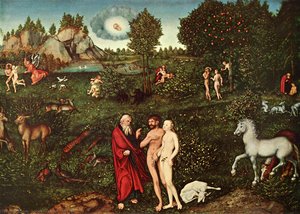
效果预览
效果预览
 购买印刷品
购买印刷品 分享
分享 分享
分享
 详情
详情

 下载
下载
 相似作品
相似作品 X射线
X射线 幻灯片播放
幻灯片播放Madonna and Child
 Acrylic On Canvas
- WallArt
- Renaissance
 60.0 x 42.0 cm
 老皮那科特美術館
 展开详情
展开详情




P118B $10

P118H $10

P118W $10

P438Z $10

P508JH $12

P508YH $12

P805H $10

P805Z $10

P919BZ $10

P919G $10

P919XJ $10

P959ZH $10

P968JZ $12

W106C $8

W218G $10

W218JH $8

W218Y $10

W307PJ $10

W316G $10

W316PJ $8

W316Y $10

W398PJ $8

W4111J $10

W500HY $15

W500JH $15

W692G $12

W849H $8

W940BG $15

W953PJ $8




从与原作比例一致的预设尺寸中进行选择。

您可以输入自定义尺寸,以适配特定的画框或空间。如果所选尺寸与原图比例不符,我们将通过裁剪作品或添加手绘元素来扩展画面。数字样稿将在制作开始前发送给您确认。
请注意,屏幕预览无法准确反映实际的裁剪或扩展效果,只有样稿才能真实呈现最终的构图。
虽然我们提供定制尺寸服务,但为了保留原作比例,建议您从预设列表中选择尺寸。
下单后,OriginalUniqueArt.com 团队将通过电子邮件联系客户获取具体要求,并提供效果预览图。


 玻璃选项仅适用于110厘米以下的尺寸。

Madonna and Child
复制材质
复制品尺寸
-


最终总价
$ 300
作品详情
A Renaissance Embrace: Unveiling Cranach’s Madonna
Lucas Cranach the Elder's Madonna and Child, a painting radiating serene grace and profound spiritual depth, stands as a cornerstone of German Renaissance art. More than simply a depiction of Mary cradling her infant son, it’s a carefully constructed tableau brimming with symbolic resonance and technical mastery – a testament to Cranach’s ability to capture both the divine and the deeply human within a single frame. Painted likely between 1504 and 1515, during his prolific tenure as court painter for the Electors of Saxony, this work embodies the evolving artistic sensibilities of the era while firmly rooted in established devotional traditions.
Cranach’s approach diverges subtly from the prevailing Italian influence then dominating European art. While acknowledging the impact of Raphael and other masters, he imbues his Madonna with a distinctly German sensibility – a quiet dignity and an understated emotionality that speaks to the spiritual realities of his time. The composition itself is remarkably balanced, drawing the eye effortlessly towards the central figures while simultaneously establishing a sense of depth through the carefully rendered landscape behind them. Notice how the rocky terrain, bathed in soft light, anchors the scene, providing a grounding element against the ethereal beauty of the Virgin and Child.
The Language of Symbolism
Every element within this painting is laden with symbolic weight. Mary’s pose, reminiscent of depictions found in Byzantine iconography, subtly references the traditional image of the Theotokos – “God-bearer.” However, Cranach introduces a gentle intimacy rarely seen in earlier representations. Mary isn't presented as an aloof goddess; she gazes directly at the viewer with a tender expression, inviting a personal connection. Her hands are open and relaxed, cradling the Christ Child not with rigid formality but with a palpable sense of love and protection.
The infant Jesus, depicted nursing – a detail that sets this painting apart from many contemporary depictions – immediately establishes his divine nature while simultaneously evoking the primal image of human nourishment. The gesture is both symbolic and profoundly affecting, suggesting an unbroken lineage of faith and compassion. Even the angels flanking the scene contribute to the overall narrative; their presence signifies God’s watchful care over Mary and her son, reinforcing the central theme of salvation and divine grace.
Craftsmanship and Technique
Cranach's skill as a painter is evident in every brushstroke. He employs a meticulous technique, layering colors with remarkable precision to create a sense of luminous depth and texture. The use of oil paint allows for subtle gradations of tone and color, contributing to the painting’s overall atmospheric quality. Observe how he masterfully renders the folds of Mary's robes, creating a dynamic interplay of light and shadow that adds volume and realism to the figures.
Furthermore, Cranach was a skilled printmaker, and his mastery of woodcut and engraving influenced his painting style. The clarity and precision of his lines – particularly evident in the rendering of details such as the folds of fabric and the texture of the landscape – are hallmarks of his artistic practice. The influence of this meticulous approach is apparent even in the painted version, lending it a remarkable sense of detail and refinement.
A Timeless Portrait of Devotion
Madonna and Child transcends its historical context to offer a timeless meditation on motherhood, faith, and divine grace. It’s a painting that invites contemplation, prompting viewers to reflect on the profound beauty and enduring significance of the Christian narrative. Reproductions of this masterpiece capture not only its visual splendor but also the emotional resonance that has captivated audiences for centuries. Whether adorning a private chapel or gracing a gallery wall, Cranach's Madonna remains a powerful symbol of hope, love, and spiritual connection – a testament to the enduring legacy of one of Germany’s greatest Renaissance artists.
艺术家简介
卢卡斯·克拉纳赫老:萨克森文艺复兴的巨匠
卢卡斯·克拉纳赫老,生于1472年的德国克罗纳赫,是德国文艺复兴时期一位举足轻重的艺术家。他的生命轨迹与宗教和政治动荡交织,艺术作品也深深地烙印着新教改革的浪潮以及他所服务的富丽堂皇的宫廷。最初在父亲汉斯·马勒的指导下接受训练,克拉纳赫早期的艺术发展至今仍有些神秘色彩,但来自南德地区的艺术影响在他不断演进的风格中显而易见。他很快便以其卓越的技艺和捕捉人物内心深度的能力脱颖而出——这些品质迅速吸引了权势人物的目光。1504年,他进入萨克森选帝侯弗雷德里克三世的服务,这段关系定义了他职业生涯的大部分时光,并为他提供了稳定性和接触重要圈子的机会。在维滕贝格担任宫廷画家不仅仅是创作装饰性作品,更将克拉纳赫置于欧洲历史上最具变革性的运动的核心。赞助、改革与艺术创新
克拉纳赫在萨克森宫廷中的地位不仅为他的生计提供了保障,也促进了他的艺术发展。他并非仅仅记录事件,而是积极塑造变革时代的视觉叙事。他最持久的遗产可能是他与新教改革运动的核心人物马丁·路德之间的密切联系。克拉纳赫创作了多达十一幅路德肖像画,每一幅都为我们提供了对这位宗教改革者个性及其不断演变的角色独特的见解。这些并非简单的画像,而是精心设计的图像,旨在展现权威、虔诚和智慧——对于挑战既定宗教秩序的领袖来说,这些都是必不可少的品质。除了肖像画之外,克拉纳赫还将新教神学转化为视觉形式,创作了木刻版画和绘画作品,广泛传播了新教思想。他对圣经场景的描绘摆脱了传统的天主教图像符号,强调直接参与《圣经》阅读,并促进了观众与信仰之间更个人化的关系。《给约阿希姆报喜》这幅作品散发着一种欢乐的精神,反映了改革后的教会对个人虔诚的新重视。这种创新的方法不仅限于宗教主题;克拉纳赫的神话画作,如对维纳斯和其他古典人物的描绘,常常带有与当代政治和社会问题相关的象征意义。家族工作室:风格与技巧
卢卡斯·克拉纳赫老并非孤军奋战的艺术家,他经营了一个生产力惊人的工作室,雇佣了众多助手和学徒,他们为他的作品贡献了大量力量。这种合作方式意味着许多归功于克拉纳赫的作品实际上是在他的指导下或由他的圈子成员完成——包括他的儿子卢卡斯·克拉纳赫年轻。克拉纳赫工作室以其独特的风格而闻名:比例修长的优雅人物、鲜艳的色彩和一丝不苟的细节处理。他的技术结合了油画、木刻和版刻,使他能够通过原创艺术品和价格实惠的印刷品来接触到广泛的受众。《弗雷德里克三世选帝侯的鹿狩》完美地展现了他对北方文艺复兴风格的大师级运用,既有细致的现实主义,又有高贵的象征意义。构图充满活力,捕捉了狩猎的能量,同时也传达了选帝侯的力量和地位。克拉纳赫对光与影的使用创造了一种深度和氛围感,将观众带入场景之中。他的肖像画同样引人注目,以其心理洞察力和精致的执行力为特征。遗产与持久影响
卢卡斯·克拉纳赫老于1553年去世,留下了非凡的艺术遗产,至今仍在回响。他是一位肖像大师、一位熟练的宗教主题诠释者,也是一位精明的商人,他了解视觉沟通的力量。他的作品不仅反映了他所处时代的文化和智力潮流,而且帮助塑造了这些潮流。克拉纳赫的工作室在他去世后继续蓬勃发展,确保了他的风格和技巧代代相传。 他的影响可以体现在众多后续艺术家的作品中,而他的画作仍然受到收藏家和博物馆的广泛追捧。从标志性的马丁·路德肖像到迷人的神话场景,克拉纳赫的艺术为我们提供了一个了解德国文艺复兴世界的迷人窗口——一个既充满深刻的精神质疑又充满艺术创新的世界。他将宗教狂热、政治敏锐和艺术天赋相结合的能力巩固了他作为该时代最重要的艺术家之一的地位,几个世纪后的今天,他的贡献仍然激励并吸引着观众。
卢卡斯·克兰纳赫画师
1472 - 1553 , 德國
艺术家简介
- Artistic Movement Or Style: 北歐藝術風格
- Artists Or Movements Influenced By This Artist: ['德國文藝復興']
- Artists Who Influenced This Artist: ['漢斯·馬爾']
- Date Of Birth: 約1472年出生於克拉納赫市
- Date Of Death: 1553年去世於魏瑪市
- Full Name: 盧卡斯·克蘭納赫畫家
- Nationality: 德國人
- Notable Artworks:
- 聖母顯靈畫
- 亞當與夏娃
- 聖書故事
- Place Of Birth: 德國 克拉納赫市
相关文章
拉斐尔大师25幅杰作:艺术、历史与家居装饰灵感 | OriginalUniqueArt
探索拉斐尔大师的25幅杰作!深入了解文艺复兴艺术、意大利绘画和经典油画背后的故事。OriginalUniqueArt.com提供博物馆品质的拉斐尔作品复制品,为您的家居装饰带来永恒之美。立即在线探索完整系列。
Divine Love: A Curated Guide to the Most Iconic Madonna and Child Masterpieces in Art History
Embark on a sophisticated journey through art history with our curated guide to the most iconic Madonna and Child masterpieces. Discover the profound beauty, theological depth, and enduring legacy of these sacred Renaissance treasures.
Jacob Henricus Maris: A Master of Dutch Atmospheric Realism & the Intimate Landscape
Explore the captivating world of Jacob Henricus Maris, a leading figure of the Dutch Hague School. Discover his atmospheric landscapes, signature brushstrokes & lasting influence on 19th-century art. Learn more at OriginalUniqueArt.
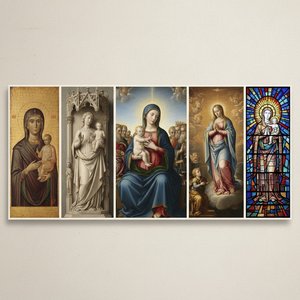
Divine Grace: A Journey Through the Most Iconic Depictions of the Virgin Mary in Art History
Embark on a profound journey through art history with our exploration of the most iconic depictions of the Virgin Mary. Discover the divine grace, symbolism, and masterful techniques found in Renaissance masterpieces and sacred iconography.

Divine Grace: An Art Historian's Journey Through Iconic Masterpieces of the Virgin Mary
Explore the profound beauty of Marian iconography through an art historian's lens. Discover iconic masterpieces by Raphael and Renaissance masters, celebrating the divine grace and timeless elegance of the Virgin Mary in classical fine art.