

 实景预览
实景预览
 发送
发送 分享
分享
 详情
详情 指南
指南

 下载图片
下载图片
 相似作品
相似作品 X射线
X射线 幻灯片播放
幻灯片播放 统计数据
统计数据The Trinity, the Virgin and Two Saints
 Oil
Oil- WallArt
- High Renaissance
 1510
1510 272.0 x 180.0 cm
 乌菲兹美术馆
 阅读全文
阅读全文
艺术微喷/版画
博物馆级艺术微喷或帆布版画,制作高效,并提供多种饰面选择。 ( 订购此收藏品的纯手工复刻画作 切换至数字图像销售渠道)




P118B $10

P118H $10

P118W $10

P438Z $10

P508JH $12

P508YH $12

P805H $10

P805Z $10

P919BZ $10

P919G $10

P919XJ $10

P959ZH $10

P968JZ $12

W106C $8

W218G $10

W218JH $8

W218Y $10

W307PJ $10

W316G $10

W316PJ $8

W316Y $10

W398PJ $8

W4111J $10

W500HY $15

W500JH $15

W692G $12

W849H $8

W940BG $15

W953PJ $8




您可以从与原作比例一致的预设尺寸中进行选择。

您可以输入自定义尺寸,以适配特定的画框或空间。如果您选择的尺寸与原图比例不符,我们将对作品进行裁剪,或通过镜像填充/纯色填充边缘的方式来扩展图像。在开始制作之前,我们会向您发送一份数字效果图供您确认。
请注意,屏幕上的预览并不能反映实际的裁剪或扩展效果。只有效果图才能准确展示最终的构图。
虽然我们提供定制尺寸,但为了保持原图比例,我们建议您从预设列表中选择尺寸。


 玻璃选项仅适用于110厘米以下的尺寸。

The Trinity, the Virgin and Two Saints
艺术微喷/版画
复刻品尺寸说明
-


总计金额
$ 80
Luca Signorelli’s Divine Embrace: A Study in Florentine High Renaissance
Luca Signorelli's “The Trinity, the Virgin and Two Saints,” painted around 1510, is more than just a religious depiction; it’s a profound meditation on faith, grace, and the intricate relationships within the Christian narrative. Born in Cortona, Italy, in 1450, Signorelli was a master of draftsmanship and foreshortening – techniques he employed here to create an astonishingly dynamic and deeply layered composition. The painting immediately draws the eye to the central figure: the Virgin Mary, rendered with a serene dignity that speaks volumes about her role as both mother and mediator between humanity and divinity. Her pose is deliberately balanced, reflecting the harmonious order of the universe she embodies, while the subtle folds of her garments hint at the earthly reality from which she emerges.
The scene unfolds within a carefully constructed architectural space, reminiscent of Florentine High Renaissance ideals. The backdrop isn’t merely decorative; it establishes a sense of depth and perspective, guiding the viewer's eye through the complex arrangement of figures. Notice the deliberate use of light – a soft, diffused illumination that highlights key elements while leaving others in shadow, creating an atmosphere of contemplative solemnity. Signorelli wasn’t simply illustrating a biblical story; he was crafting a visual theology, inviting viewers to contemplate the mysteries of faith and salvation.
The Trinity: A Symbol of Divine Unity
At the heart of the composition lies the depiction of the Holy Trinity – Father, Son, and Holy Spirit. Signorelli masterfully avoids overt symbolism, instead conveying this complex theological concept through a carefully orchestrated visual dialogue. The central figure, often interpreted as Christ, is flanked by the Archangels Michael and Gabriel, representing divine judgment and grace respectively. The arrangement isn’t haphazard; it's meticulously planned to create a sense of balance and harmony, reflecting the fundamental unity of God. The subtle gestures and expressions of these figures – Michael’s outstretched hand and Gabriel’s serene countenance – communicate profound spiritual truths without resorting to explicit iconography.
The inclusion of Saint Augustine and Saint Athanasius adds another layer of intellectual depth to the scene. These prominent theologians, representing reason and faith, underscore the importance of both intellect and spirituality in understanding God's will. Their placement alongside the central figures highlights the interconnectedness of divine revelation and human understanding.
Technique and Artistic Innovation
Signorelli’s technical skill is immediately apparent in the painting’s remarkably detailed rendering. He employed a technique known as *sfumato*, subtly blurring lines and edges to create an atmospheric effect, particularly noticeable in the drapery and the background architecture. This creates a sense of softness and depth, drawing the viewer into the scene. His mastery of foreshortening is equally impressive – evidenced by the figures on the left side of the painting, which appear to recede dramatically into space, creating a powerful illusion of three-dimensionality.
The color palette is restrained yet sophisticated, dominated by earthy tones—ochres, browns, and deep blues—that evoke a sense of solemnity and reverence. However, Signorelli also incorporates touches of vibrant color – particularly in the robes of the saints – to draw attention to key figures and enhance the overall visual impact. The painting’s surface is rich with texture, achieved through meticulous layering of paint and subtle variations in brushstroke.
A Legacy of Renaissance Beauty
“The Trinity, the Virgin and Two Saints” stands as a testament to Luca Signorelli's artistic genius and his deep understanding of religious iconography. It’s a painting that rewards careful study, revealing new layers of meaning with each viewing. The work was originally commissioned for pilgrims in Cortona, reflecting the artist’s connection to his community and his desire to inspire faith and devotion. Today, it resides in the Uffizi Gallery in Florence, where it continues to captivate viewers with its beauty, complexity, and profound spiritual message. A high-quality reproduction offers a remarkable opportunity to experience this masterpiece firsthand, bringing its timeless elegance and intellectual depth into your home or studio.
艺术家简介
早年生活与艺术启蒙
卢卡·西尼奥雷利是一位活跃于意大利文艺复兴时期的杰出画家,约于1450年出生在托斯卡纳的科尔托纳。尽管他的确切出生日期尚存争议,但史学界普遍认为是在1441年至1445年之间。这位艺术家以其卓越的素描功底和对“透视缩减法”的精妙运用而闻名于世,为后世留下了深刻的艺术印记。艺术生涯的辉煌历程
西尼奥雷利对艺术最初的感悟似乎源自佩鲁贾,在那里,他深受贝内德托·邦菲利等艺术家的风格影响。根据乔尔乔·瓦萨里的记载,西尼奥雷利是在其舅父拉扎罗·瓦萨里的引荐下,师从大师皮耶罗·德拉·弗朗チェ斯卡进行学徒训练。西尼奥雷利的作品散落在意大利各地的艺术殿堂中,包括阿雷佐(1472年)和卡斯泰洛(1474年)。他最负盛名的作品之一是献给洛伦佐·德·美第奇的《潘之学校》,这幅画作通过对人体形态的写实描绘,完美展示了他对明暗对照法与线性透视法的精湛掌控。传世名作
- 《最后的审判》(1499-1503),位于奥尔维耶托大教堂——这幅宏伟的湿壁画被视为他的巅峰杰作,生动地展现了西尼奥雷利在描绘末日景象与神圣审判时的惊人技艺。
- 《圣梅达德多翼祭坛画》(1507年),现藏于意大利阿尔切维亚的圣梅达德博物馆——这是西尼奥雷利作品的典范,以极其细腻且自然主义的手法呈现了人体之美。
艺术运动背景
西尼奥雷利是意大利文艺复兴运动的重要参与者,这一时期标志着欧洲从中世纪向近现代的伟大转型。在那个时代,古典传统、自然主义与人文主义精神得到了前所未有的复兴。- 早期文艺复兴艺术运动——简述这一塑造了人类艺术史进程的重要运动。
- 安杰利科修士——这位著名的艺术家对西尼奥雷利的作品产生了深远影响,并以其非凡的绘画造诣著称。
- 卢卡·西尼奥雷利——关于这位艺术家的简要传记,涵盖其代表作与所属艺术流派。
艺术遗产
西尼奥雷利的作品对文艺复兴艺术的发展产生了深远影响。他对于透视缩减法的运用以及精湛的素描技巧,激励了无数追随其脚步的艺术家。作为意大利文艺复兴时期的重要人物,西尼奥雷利的精神通过遍布意大利各地的博物馆与大教堂中的传世之作,至今仍被世人传颂。重要年份:- 1450年:出生于托斯卡纳科尔托纳
- 1499-1503年:创作了奥尔维耶托大教堂的《最后的审判》
- 1523年:逝世,留下了永恒的艺术瑰宝

卢卡·西尼奥雷利
1450 - 1523 , 意大利
快速概览
- Artistic Movement Or Style: 文艺复兴
- Artists Or Movements Influenced By This Artist: ['安杰利科修士 (Fra Angelico)']
- Artists Who Influenced This Artist: ['皮耶罗·德拉·弗朗チェ斯卡 (Piero della Francesca)']
- Date Of Death: 1523年10月16日
- Full Name: 卢卡·迪·埃吉迪奥·迪·文图拉·西尼奥雷利 (Luca di Egidio di Ventura Signorelli)
- Nationality: 意大利
- Notable Artworks:
- 末日审判
- 潘之学校
- Place Of Birth: 意大利,科尔托纳
相关文章

Divine Grace: An Art Historian's Journey Through Iconic Masterpieces of the Virgin Mary
Explore the profound beauty of Marian iconography through an art historian's lens. Discover iconic masterpieces by Raphael and Renaissance masters, celebrating the divine grace and timeless elegance of the Virgin Mary in classical fine art.
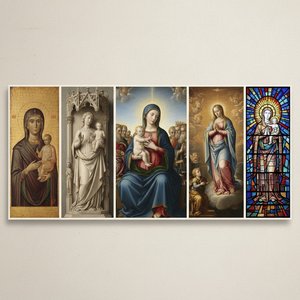
Divine Grace: A Journey Through the Most Iconic Depictions of the Virgin Mary in Art History
Embark on a profound journey through art history with our exploration of the most iconic depictions of the Virgin Mary. Discover the divine grace, symbolism, and masterful techniques found in Renaissance masterpieces and sacred iconography.

Luca Signorelli: Renaissance Innovation & Dramatic Foreshadowing of Modern Artistic Expression
Explore the revolutionary art of Luca Signorelli, a High Renaissance master renowned for his dramatic frescoes & anatomical precision. Discover his lasting impact on art history and techniques like foreshortening.
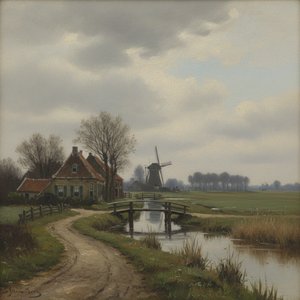
Jacob Henricus Maris: A Master of Dutch Atmospheric Realism & the Intimate Landscape
Explore the captivating world of Jacob Henricus Maris, a leading figure of the Dutch Hague School. Discover his atmospheric landscapes, signature brushstrokes & lasting influence on 19th-century art. Learn more at OriginalUniqueArt.
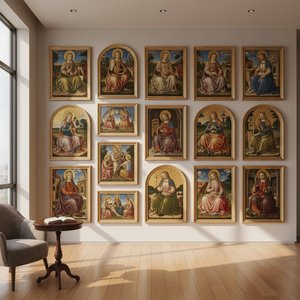
佛罗伦萨文艺复兴大师:安杰利科25幅传世名作赏析 | OriginalUniqueArt
探索佛罗伦萨文艺复兴大师安杰利科的25幅传世名作!深入了解其宗教绘画、壁画艺术与天使般的风格。OriginalUniqueArt.com提供高清复制品及精选装饰画,为您的室内空间增添永恒之美。立即在线探索完整系列!


